Albany Democrats Balk at Taxing Wealthy as City Budget Gap Widens, Voters Notice
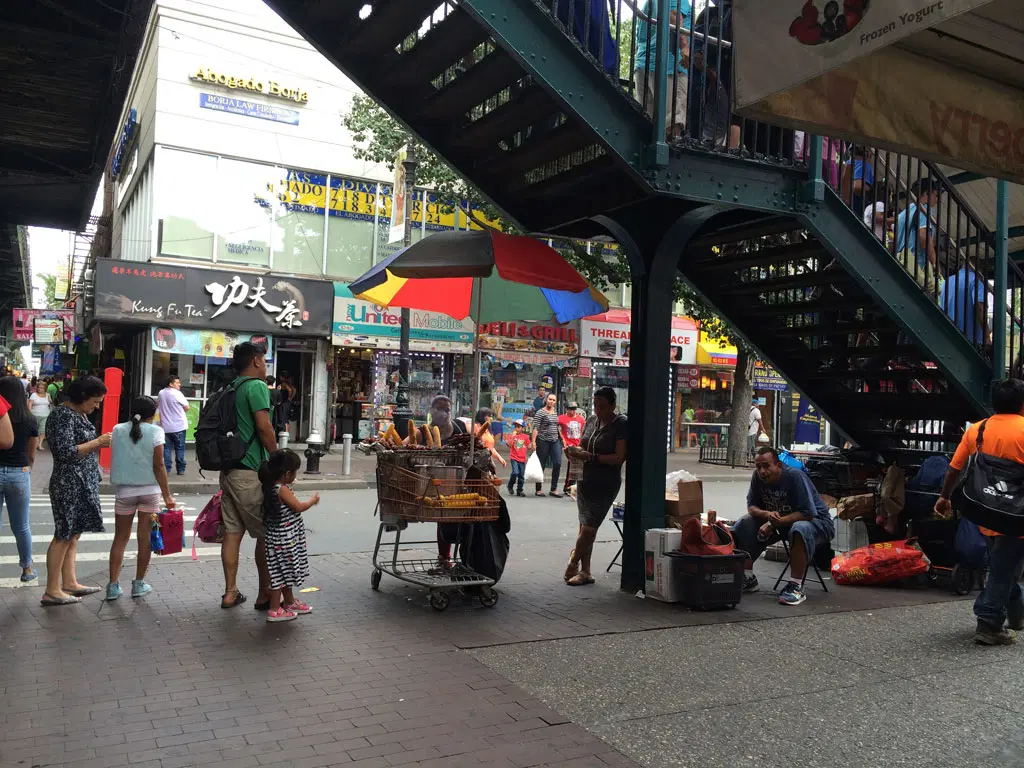
As New York City faces a widening budget crisis and sharpened social inequities, a battle over taxing the wealthy puts Democratic lawmakers’ loyalties under scrutiny.
On a sweltering June evening in Brooklyn, housing activists banged pots alongside subway workers near Broadway Junction, decrying the city’s yawning affordability gap. Their chants echoed a sour fiscal reality: the spectre of mass cuts to social services, looming over more than 1 million New Yorkers who stand to lose healthcare, childcare, and food aid—unless, advocates contend, city millionaires and profitable corporations are forced to ante up.
The specifics are as bracing as the rhetoric. With billions in federal Covid-era aid evaporating—some due to the federal One Big Beautiful Bill Act—and New York City staring at a deficit running to several billion dollars, progressive candidates hope to seize the political moment. Their solution: dethrone Democratic incumbents in Albany they brand “corporate Democrats,” accusing them of coddling deep-pocketed donors and sitting idle as affordability withers. They point to figures like Assemblymembers Erik Dilan, Jenifer Rajkumar, and Stefani Zinerman, who have refused to back the “Invest in Our New York” bills, a legislative package that would hike taxes on the richest individuals and most lucrative corporations in the Empire State.
At issue are policies with far-reaching implications. Proponents estimate these measures would bring in billions, restoring services slashed amidst recent shortfalls: coverage for the uninsured, sustenance for families currently reliant on SNAP, and, not least, quality-of-life investments like universal childcare—which Governor Kathy Hochul touts as a goal but cannot, or will not, fund at scale. Without new revenue, one in ten city residents faces diminished prospects or outright loss of basic assistance.
The stakes grow starker against a backdrop of scuttled federal support. When Washington withdrew billions—with estimates of $1.3 billion in new costs foisted on counties statewide—the city’s fiscal lifelines frayed fast. The Siena Research Institute’s polling underscores an electorate keener on soaking the affluent than their elected leadership apparently is: a clear majority favour higher taxes on high earners and large companies, across demography and borough.
For New York’s working poor, the status quo already feels punishing. More than half of renters throw over 30% of their income at landlords; food bank lines wind for blocks. Fixes so far have been tepid: temporary voucher boosts, piecemeal rent relief, and a general tightening of municipal belts, all while the number of local billionaires has ticked upward. If the city cannot plug its budget holes or fund urgently needed expansions in social provision, inequality—already prodigious—stands to swell into a chasm.
This is a crisis not just of public finance, but of political trust. Progressive challengers frame their campaign as a referendum on Democratic accountability. They argue that many Albany incumbents court campaign cash from the very firms and fortunes that stand to lose from reform. By declining to cosponsor new tax measures, these lawmakers signal whose priorities matter most—the business magnates underwriting their runs, not the voters demanding relief.
Rarely in recent times has the Democratic caucus appeared so publicly riven. On one side, establishment stalwarts bet that incrementalism and donor-friendly triangulation will keep coffers full, if not always communities. On the other, insurgents, emboldened by polling and discontent, agitate for structural change. Yet for all the rancour, both compete in a state where fiscal woes are anything but abstract: already, plans to axe library hours, trim school budgets, and freeze hiring in city agencies have been announced for fiscal year 2025.
How Gotham’s woes echo nationally
The struggle unfolding in New York mirrors those in other urban hubs—San Francisco, Chicago, and London come to mind—where local governments, cut adrift as federal largesse dries up, must reckon with entrenched wealth gaps. Elsewhere, too, progressive tax reform is proving a hard political sell, even when voters claim to want it. Elected officials, worried about capital flight or spooking employers, err on the side of caution (and campaign contributions).
Yet the numbers defy such caution. New York remains home to nearly one in five American billionaires, and corporate profitability, despite pandemic bruises, remains buoyant. In such a context, modest tax increases would inflict more symbolic injury than lasting harm. What gives many politicians pause is less economics than electoral calculus: the fear that donors (not to mention media proprietors and business lobbies) will mobilise against anyone threatening the status quo.
Some will argue—legitimately—that soaking the rich risks diminishing returns: high earners can and do relocate, and New York’s tax burden is already marginally heavier than many rivals. Yet emigration rates among the state’s ultra-wealthy, while real, remain puny compared with their number. Strategic reforms—particularly those targeting incomes above $5 million or the most profitable firms—could bolster city and state coffers without triggering flight. After all, few places offer the amenities, networks, or opportunities that New York affords.
What bodes ill is the sense of inertia. If Democrats, even in the nation’s most progressive statehouse, cannot shepherd popular and data-backed reforms, the prospect for meaningful change elsewhere is considerably dimmer. Other cities will be watching whether New York’s new crop of candidates, if successful, can wring significant concessions from entrenched interests, or if the immutable laws of money in American politics will once again prevail.
For now, New York’s fiscal reckoning hands voters a clarifying choice. They can opt for continuity—seasoned politicians adept at navigating donor networks and keeping reforms in check—or choose brash newcomers promising dramatic action. The results of June’s primaries, and the legislative agenda set this autumn, may portend how American cities will balance populism with pragmatism in an era of scarcity.
One thing is plain: the line between representing constituents and representing donors is being hashed out, dollar by dollar, district by district. The outcome, in New York and beyond, will shape not only budgets but the social contract itself. ■
Based on reporting from City Limits; additional analysis and context by Borough Brief.