Albany Floats Tax Hikes for Top Earners as Hochul Sticks to No-Raise Line—For Now
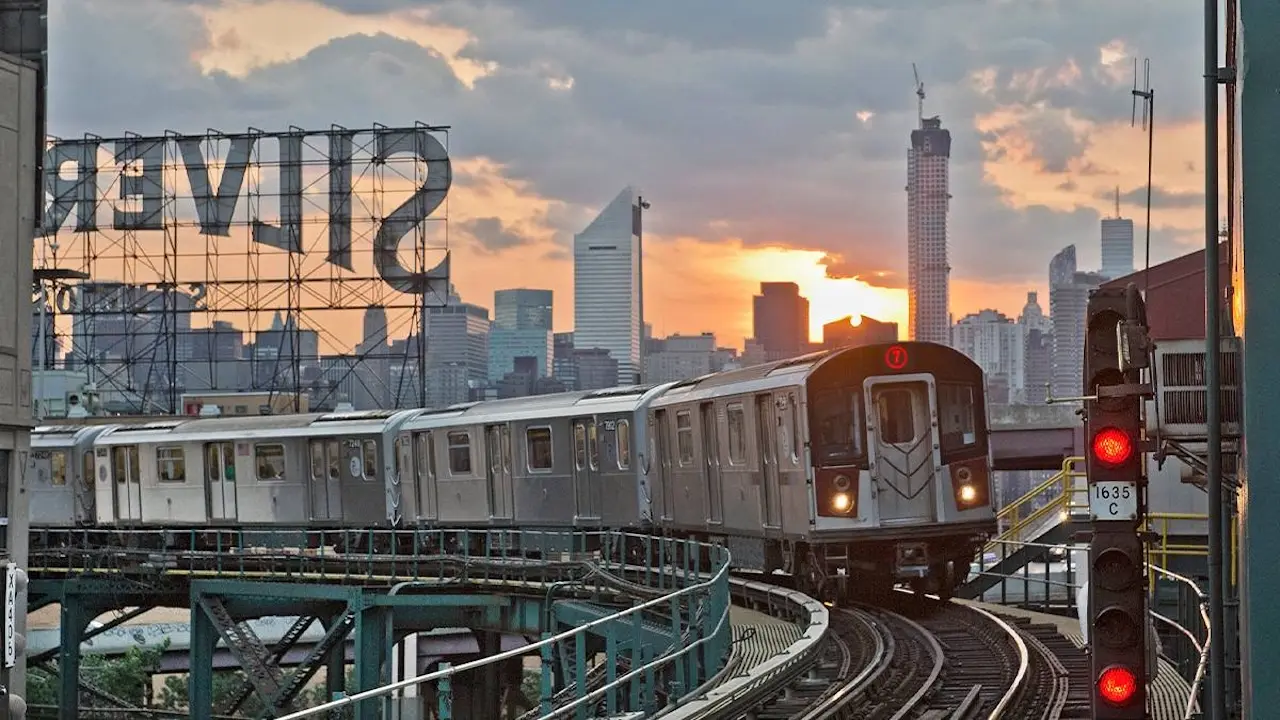
As debates over taxing New York’s wealthiest residents intensify, the city’s fiscal future—and its competitiveness—hangs in the balance.
Numbers, not tempers, are rising in Albany this month. As the New York State Legislature prepares its annual “one-house” budget counterproposals, a familiar argument has returned with unusual vigour: whether taxing the city and state’s highest earners can solve persistent budget holes—without dulling New York’s economic edge. Even for a city accustomed to fiscal drama, the pressure on Governor Kathy Hochul is acute.
The immediate news is this: leaders of both the State Senate and Assembly are set to unveil proposals for substantial income and corporate tax hikes aimed at the well-heeled and profitable. These counter Hochul’s $260bn draft budget, which pointedly omits any such increases. The legislature’s move is propelled in part by City Council member Zohran Mamdani, whose proposals would lift the personal income tax rate on incomes above $1m by two percentage points (to 5.88%), and prod up the corporate rate from 9% to 10.8% for financial firms and from 8.85% to 10.62% for others. The unincorporated business tax, too, would nudge upward for high-income firms.
The sums at issue are hardly puny. Mamdani’s camp believes the package would raise a tidy $1.75bn—his personal income tax hike alone, another $3bn. Spurred by a laborious budget season, the realpolitik is simple: New York faces chronic pressures, from housing to schools. Progressive legislators have seized this as opportunity to argue, with growing support, that those with the broadest shoulders should bear a heavier load.
For the city itself, these proposals could prove a double-edged bargain. On one hand, an influx of revenue offers a way to prevent cuts to essential services—always more politically palatable than further belt-tightening or fare hikes for the city’s famously beleaguered commuters. New York’s sprawling and costly social infrastructure is, after all, both lifeblood and burden.
Yet the risks are obvious. New York’s top earners are more footloose than in decades past, a trend accelerated by the remote-work revolution and the city’s ever-climbing cost of living. The emigration of high-net-worth individuals, a phenomenon confirmed by IRS migration data, may not be a torrent, but neither is it ignorable. A marginal rate increase of this magnitude could tip some into Florida’s open arms.
Politically, the moment is delicate. Hochul is up for reelection this year, her coalition a careful mixture of upstate and suburban moderates and progressive New York City stalwarts. Each group cares, rather parochially, about different priorities. That leaves the governor straddling a wobbly divide: appeasing tax-happy progressives without repulsing the business class or punching holes in upstate wallets.
The legislative push has gained ballast from opinion polls. The Siena Research Institute reported this week that a majority—54% statewide, 62% among city dwellers, and a whopping 72% of Democrats—support the central tenets of Mamdani’s plan. Perhaps more tellingly, a 24-member Progressive Caucus of the City Council and influential unions have amplified calls for higher rates. But popular does not always mean prudent.
Any increase in business taxation risks unsettling an already jittery commercial ecosystem. While Mamdani has tempered his demands—a nod to negotiation reality—the proposed climb in corporate rates would still make New York’s among the highest in the nation, trailing only New Jersey and California. Firms may grumble but acquiesce, or they may decamp to friendlier precincts. Recent years have seen a slow exodus of major employers from the city, a trend the politicos in Albany would do well not to ignore.
A tale of two cities—and two Americas
New York finds itself grappling with a broader trend seen in other high-tax urban states. California, for instance, has experimented with heftier rates on its most affluent residents, only to contend with migration and stagnation at the very top of the income pyramid. Nationally, debate rages between those who see progressive taxation as a necessary engine of equity and those who warn of capital flight and shrinking competitive advantage.
Part of New York’s trouble is cyclical; tech and finance, its two dominant economic engines, have had an unsteady few years. But part is structural. The costs of city living—housing, energy, child care—creep ever upward, thinned only modestly by wage inflation at the bottom and asset appreciation at the top. Tax rises aimed at “millionaires” are easier to sell politically than confronting the city’s less glamorous, more chronic inefficiencies.
This episode also underscores a peculiarly New York pathology: the city’s budget is vast but not limitless, and its dependence on income from the ultra-wealthy is an ever-present vulnerability. The top 1% of earners supply over 40% of the city’s income tax haul—a fact that makes both their goodwill and their domiciles prized assets. Policymakers tempted by apparent public approval would do well to remember how volatile that revenue base can be.
If there is reason for sceptical optimism, it lies in the negotiation ritual itself. Governor Hochul has, with a straight face, reminded all that similar tussles have ended without the demanded tax increases being enacted. One-house budgets are aspirational rather than binding; Albany’s political theatre rarely spares the audience—but often spares the wallets.
The challenge, as ever, is in balancing populist impulses with economic rationality. Higher taxes may appear an elegant solution to social needs, but unless paired with reforms that blunt the city’s cost spiral and signal predictability to employers, they risk giving with one hand and taking with another.
For now, the city’s fate resides less in the winds of popularity than in the mechanics of capital: how to fund a generous social compact without imperilling the prosperity that enables it. Negotiations over the next fortnight will reveal whether caution or conviction governs Albany’s hand.
We reckon New York can afford a modest recalibration of its fiscal machinery. But, as history has shown, when the city forgets its dependence on the self-interest of the prosperous, it courts unpleasant surprises. A careful compromise—rather than a triumphant victory for any single faction—remains the outcome most likely to preserve New York’s unique, if slightly frayed, social bargain. ■
Based on reporting from Section Page News - Crain's New York Business; additional analysis and context by Borough Brief.