Arctic Blast Grips New York, Wind Chill Drops Life Expectancy for the Weekend
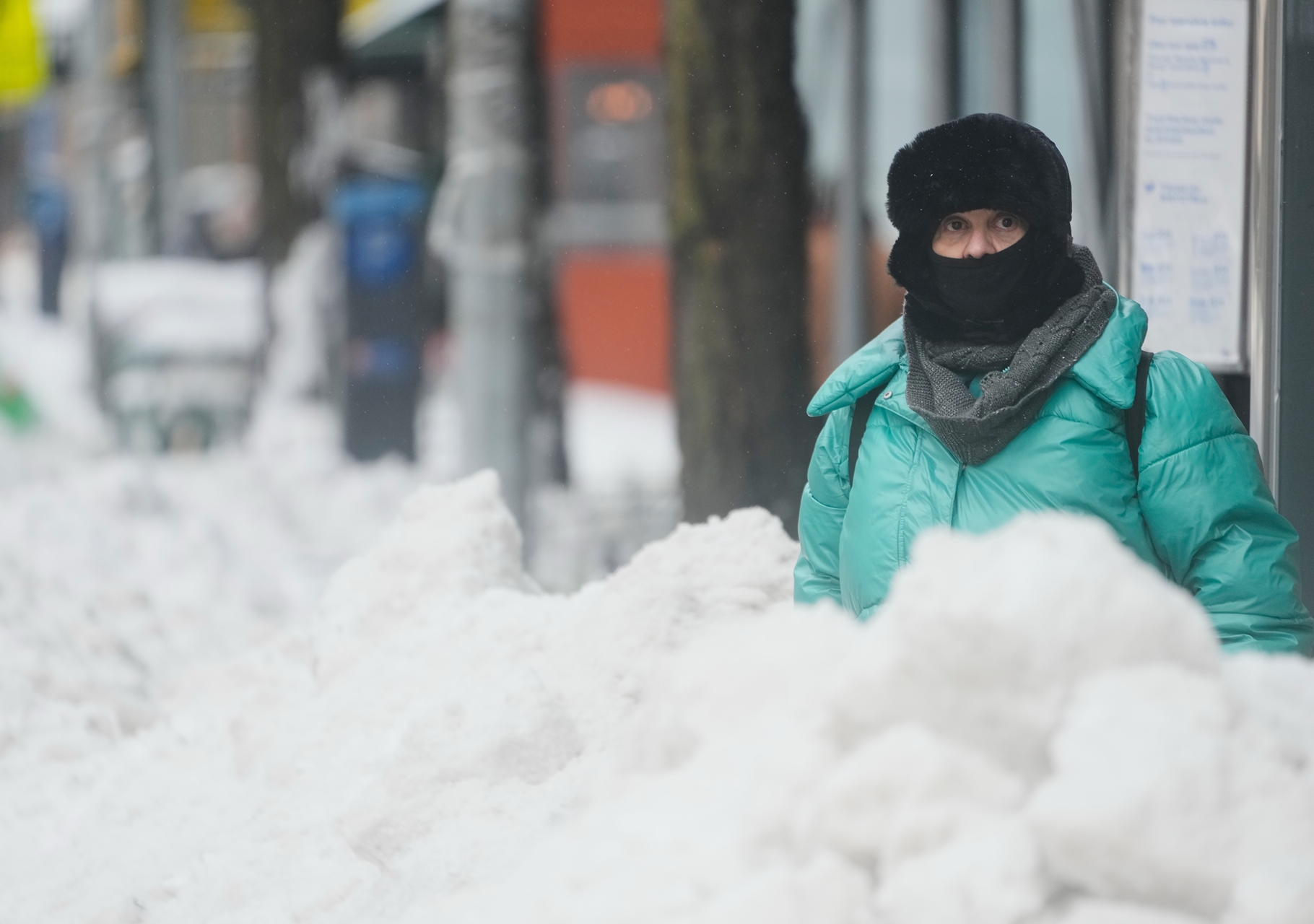
An Arctic blast imperils New York’s most vulnerable, testing the city’s capacity for care and coordination.
New York is a city accustomed to superlatives—from the height of its skyscrapers to the size of its budget. But even by Gotham’s chilly winter standards, the thermometer’s recent plunge portends something outsized. During the weekend, wind chills in the metropolitan area fell to as low as -20°F (-29°C). For those left exposed, the margin for survival shrank alarmingly thin: officials warned frostbite or hypothermia could take hold in as little as fifteen minutes.
The National Weather Service (NWS) issued an extreme cold alert from Saturday evening to Sunday afternoon, as an Arctic front barrelled in with a brief curtain of snow. Daytime temperatures hovered around 20°F (-6°C), only to nosedive to single digits at night, with a biting northwest wind gusting up to 50 miles per hour. Governor Kathy Hochul, with an air of weary authority, declared: “You think it’s been cold? You haven’t seen anything yet.” Her exhortation was blunt: stay indoors, check on neighbours, and trust that shelter is safest.
The warnings are not idle bureaucracy. In the fortnight preceding this cold snap, seventeen New Yorkers were found lifeless outdoors; thirteen are suspected to have perished from exposure. With a “Code Blue” emergency in effect, the city pressed residents to dial 311 on spotting people vulnerable to the elements; those calls redirect to 911 for urgent response. The mayor’s office, haunted by the season’s fatalities, underscored the seriousness of this winter’s chill.
The immediate effect is a test of the city’s famed, if sometimes creaky, social safety net. For most residents, winter’s hazards are a matter of inconvenience and higher heating bills. But for the estimated 80,000 unhoused New Yorkers—many of whom avoid shelters for reasons ranging from overcrowding to mental illness—the consequences are dire. City-run warming centres and outreach teams, already stretched thin, scramble to coax those camped out on subway grates or under scaffolding indoors, if only temporarily.
The economic burden is likely to prove more than paltry. Emergency services brace for a spike in calls, especially as cold-related hospitalisations often require extended treatment. Businesses in leisure and dining see already-tepid January takings evaporate as New Yorkers hibernate. For hourly wage workers, typical of the city’s gig economy, an Arctic blast can mean lost pay and missed rent. The municipal government, meanwhile, faces ballooning costs—from operating warming shelters to overtime for first responders.
Chronic stress fractures in the city’s infrastructure become acute. Ageing steam pipes and patchwork heating systems in public housing projects leave tenants shivering. National Grid and Con Edison, the city’s energy suppliers, must balance surging demand with brittle, cold-era wiring. Schools, for now open, stand poised to revert to remote learning if pipes burst or heating falters, underscoring persistent educational inequities laid bare over the past years.
Yet the cold snap also exposes intangible divides. In Manhattan’s financial district, office towers remain toasty and empty, their energy use unflinching even as street-level life grinds to a halt. Meanwhile, in the Bronx or East New York, families huddle in apartments whose landlords have a long history of dodging heating regulations. The city’s asynchronous recovery from the pandemic—Wall Street bullish, essential workers overtaxed—means some will weather the chill comfortably while others bear the brunt.
This all unfolds as New Yorkers, and their city, peer nervously beyond the five boroughs. Other northern metropolises—Montreal, Chicago, Berlin—routinely withstand colder spells, but often with stronger social supports and more robust public infrastructure. Europe’s cities habitually invest more, per capita, in shelters and emergency outreach: in Paris, for example, local authorities deploy extensive street teams to persuade rough sleepers to come indoors, backed by a legal right to shelter. New York’s vaunted right-to-shelter policy, though unique in American law, has increasingly struggled to keep up with rising homelessness and cost-of-living woes.
Globally, the pattern is unmistakable. Climate change has rendered weather more capricious, with unseasonal Arctic blasts following close on the heels of record heatwaves. Extreme weather events now occupy a permanent place in the calculus for city planners—never previously a hardy breed of meteorologist. Temperature swings that would have seemed freakish a decade ago look set to become the new norm.
The limits of resilience
We, like many, wonder how far the “resilience” mantra can stretch before it snaps. New Yorkers are rightly proud of their adaptability, but resilience cannot substitute for investment. Warming centres and emergency alerts are indispensable but plainly reactive. Tackling deeper causes—chronic poverty, rising housing costs, frayed social services—would portend fewer emergency calls and fewer lives at risk when the mercury drops.
For all the city’s proud improvisation, many cracks go unseen or unattended. Coordination between agencies often lags behind swiftly deteriorating weather; communications in multiple languages, especially for immigrants, remain patchy. Much as the NWS and state agencies have refined forecasting, their warnings do little good if the most at-risk lack trust in institutions or the means to act.
Still, the response is not without hope. New Yorkers historically excel at checking on neighbours. Volunteer networks—whether faith-based, mutual aid, or simply the perennially nosy—spring to life in a blizzard or blackout. If anything, the current freeze underlines the need to buttress those informal structures with formal resources: more shelter beds, better outreach, and faster fixes for those enduring frigid nights in public housing or makeshift encampments.
The city will thaw, as it always does, with forecasters predicting a slow recovery to just above freezing by midweek—still below seasonal averages. But as the threat recedes, so too may public attention, leaving the city’s underlying vulnerabilities politely ignored until the next crisis. New York’s periodic freezes routinely expose broader fissures: in its housing, its social contract, and its famed but fraying solidarity.
This episode, chilling as it may be, is less an anomaly than a harbinger. The city’s ability to safeguard all its residents—housed and unhoused, rich and poor—will become a truer test of its mettle than all the records broken by the weather itself. As temperatures rise again, we would urge New York’s leaders to keep their focus as sharp as a February wind. ■
Based on reporting from El Diario NY; additional analysis and context by Borough Brief.