Chevron Bets on Venezuelan Oil to Cool US Gas Prices, for Now
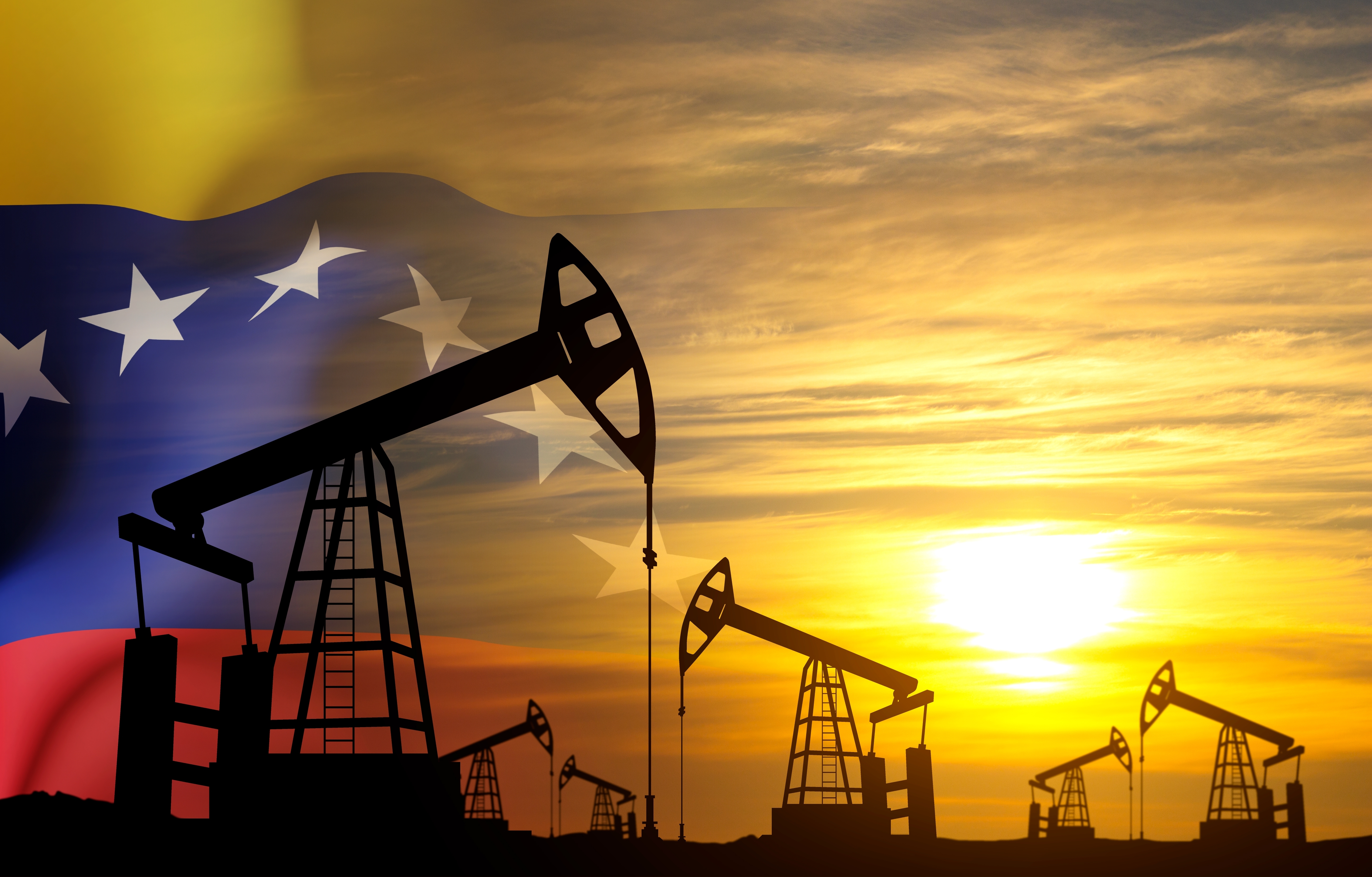
Venezuela’s return to America’s fuel supply chain reveals the city’s—and the nation’s—fraught balance between geopolitics, consumer pockets, and energy resilience.
A flotilla of tankers belching smoke down the Kill Van Kull has become a loaded image, but the real fuel drama in New York City today happens far from the refineries of New Jersey: oil, once embargoed, now flows from Venezuela, a concession to economic reality masquerading as geopolitical pragmatism. For Gotham’s 13,000-odd gas stations, it may be a small drop in the tank, but for city dwellers irked by $4.12-a-gallon pump prices—up more than a third from pre-Iran conflict levels—the transnational movement of crude is distinctly close to home.
Chevron, a longstanding behemoth in the energy sector, has trumpeted its ability to blunt the recent surge in American gasoline prices by importing ever more Venezuelan oil. The company’s Pascagoula, Mississippi refinery—a regional linchpin—now hums on shipments like a recent 400,000-barrel cargo, enough, its executives claim, to keep its operations afloat for several days and push retail prices downward, at the margin.
This is no mere corporate boast. Andrew Walz, Chevron’s president of global refining, has been at pains to remind the public of oil’s immutable algebra: less supply breeds higher prices. Vigorous war in Iran has roiled global supply chains, sending oil markets into paroxysms reminiscent of 2022’s shocks. While global headlines fixate on faraway drone strikes, New Yorkers calculate weekly budgets and Uber fares, steeling themselves for volatility that seeps into every neighbourhood.
The math is unforgiving. Before the current Middle East turmoil, AAA reported that New Yorkers paid some $2.98 per gallon at the pump; that figure now hovers near $4.12. This hike, though less punishing than spikes elsewhere, is not trivial for families already wrestling with rising rents and groceries. For the estimated 1.4 million registered vehicles in the five boroughs, any relief, however paltry, is welcome.
The trajectory of these events owes much to recent decisions in Washington. Beginning this month, the US quietly lifted decades-old sanctions not merely on oil imports but, symbolically, on Venezuela’s political establishment as well. The easing came after the dramatic if belated capture of Nicolás Maduro, whose removal from power (along with his spouse) triggered a measured thaw: new diplomatic opening, new conduits for energy investment, new risks of unintended consequences.
The immediate beneficiary may be Venezuela’s battered oil industry. Two fresh agreements have been announced: Chevron and Venezuela have pledged to boost the country’s crude output by 50% over the next several years. If the pact endures, the benefits accrue to both sides—dollars for Caracas, marginally cheaper petrol for drivers in Queens and the Bronx.
A shifting calculus for New York and beyond
The first-order effect on New Yorkers is prosaic: a tepid reprieve from surging fuel prices. Yellow cab drivers, logistics operators, couriers, and countless private motorists reckon with smaller bites out of their incomes. Yet these savings, measured in single-digit percentages, are overshadowed by the city’s broader exposure to global energy markets—reminders that infrastructure investments matter, and that no metropolis is an island.
Second-order effects, however, are murkier and more profound. The city’s economy, already precarious from serial shocks—pandemic, inflation, the migration crisis—relies on affordable transport, both public and private. Even a modest increase in petrol prices reverberates through the food supply chain and public transit budgets. For local politicians, the easing of sanctions presents a shimmering temptation: foreign policy as a lever to placate one’s constituents without incurring fiscal pain.
This logic is hardly confined to New York. Across the United States, policymakers weigh the advantages of a diversified energy supply against the perils of cozying up to authoritarian regimes. The sheer velocity at which the White House has reversed its posture on Caracas—pivoting from hardline rebuke to pragmatic cooperation—speaks to the primacy of domestic price stability. One doubts Jeffersonian principles are uppermost in Chevron’s quarterly planning sessions.
Internationally, the American rapprochement with Venezuela is part of a broader trend: Western democracies, facing supply shocks from wars in Ukraine and the Middle East, have shown a remarkable tolerance for ethical flexibility when petrol is at stake. Europe’s previous cap-in-hand stance toward Gazprom, and now America’s bargain with Caracas, demonstrate that in realpolitik, cheap energy trumps moral purity.
Can New York long rely on such manoeuvring? Chevron’s Andrew Walz wagers that steady investment in energy infrastructure—pipelines, port upgrades, refinery maintenance—remains the city’s best defence against price turbulence, a sentiment shared by most of Manhattan’s corporate classes. Yet environmentalists bristle at new fossil-fuel entanglements, and future mayoral candidates will surely be pressed to explain whether “energy security” is just code for priming old industries.
All of which highlights the city’s core dilemma: how to plan for an era in which hydrocarbons still dominate mobility, but the source and price of those fuels are dictated by events thousands of miles away. Solar panels on Brooklyn brownstones and e-bikes in Midtown help, but for the foreseeable future, a subway shutdown or delivery surcharge somewhere in the five boroughs will still depend on tanker movements in the Caribbean.
In the final reckoning, the Chevron-Venezuela gambit exposes the triangulation at the heart of New York’s energy politics: between economic prudence, political convenience, and the long-term necessity to decarbonise. The city’s exceptionalism will buy only so much insulation from world events; its inhabitants remain, reluctantly, passengers on the global energy express.
One shrugs at the irony that, after decades of embargoes and rhetoric, New Yorkers’ relief at the pump flows from the same Venezuelan wells once shunned for their despotic ownership. Cheap fuel, it turns out, is no respecter of diplomatic freeze. ■
Based on reporting from El Diario NY; additional analysis and context by Borough Brief.