City Cracks Down on Queens Landlords With 55,000 Code Violations and a $4.5 Million Tab
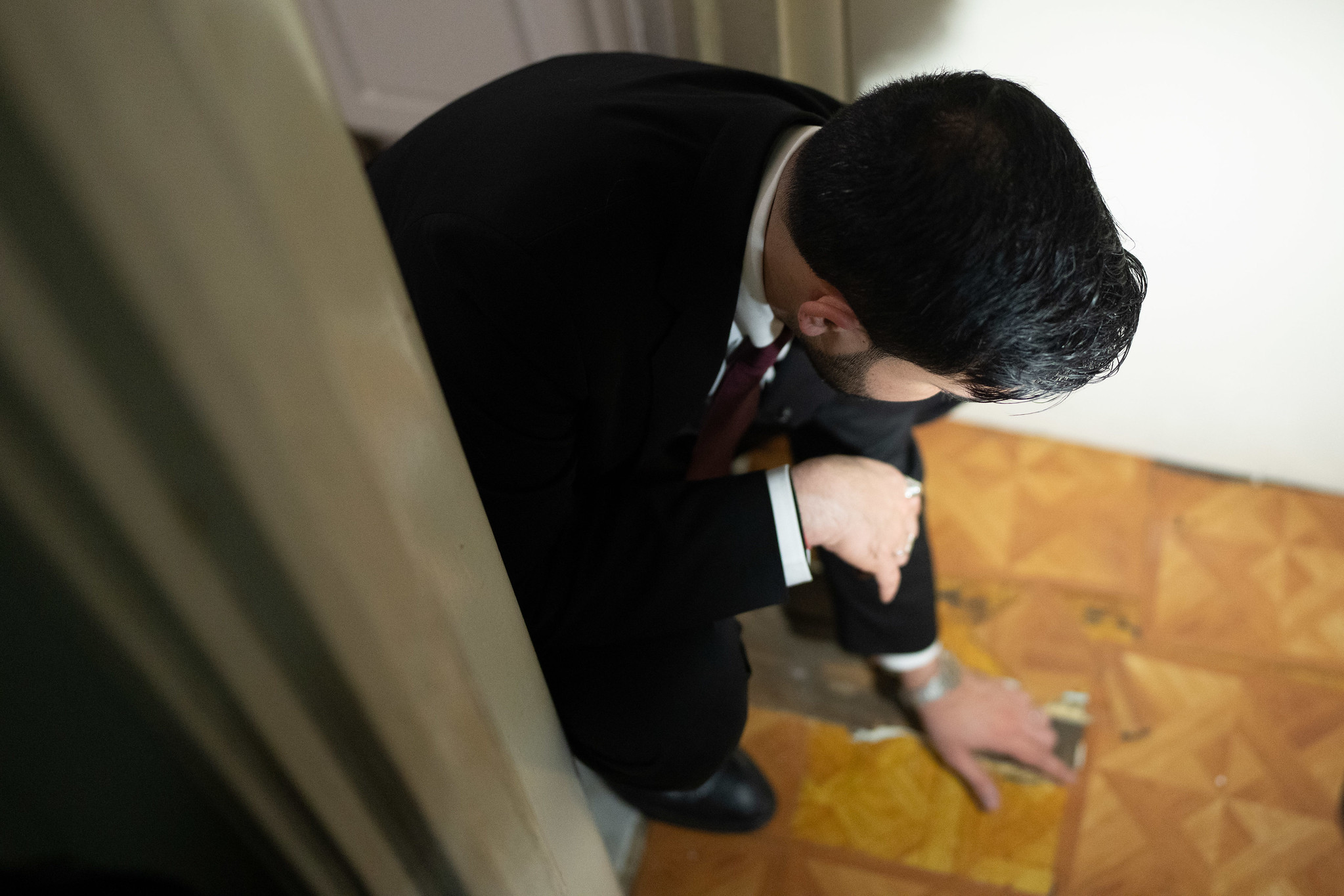
New York has announced a dramatic crackdown on its most recalcitrant landlords, seeking to haul thousands of neglected apartments—home to some of its poorest residents—out of decrepitude.
On a frigid January morning, as the mercury hovered below freezing, New York City’s housing hotline fielded a deluge of desperate calls: more than 37,000 complaints in a single month, alleging burst pipes, mould, missing heat and even rodent infestations. For tens of thousands of city tenants, “home” means damp corridors, broken boilers, and a relentless sense of being ignored. Yet their landlords are not always held to account with much urgency—until now.
In a move both overdue and unusually forceful, the Adams administration has unveiled an enhanced crackdown on the city’s worst-performing building owners. Officials have refreshed the Alternative Enforcement Program (AEP), a scheme that targets residential buildings with sustained, egregious violations of housing codes. This year, 250 properties—saddled with a staggering 55,000 unresolved code infractions—have been placed under heightened scrutiny. Their owners, collectively, owe $4.5m for emergency repairs already carried out by the city.
At the heart of this surge is a new push from the Department of Housing Preservation and Development (HPD) to leverage legal and financial tools more aggressively. Last month, the department inked a $2.1m settlement with A&E Real Estate Holdings, whose web of shell companies own some of the most abysmal offenders, including a notorious Queens multifamily on Parsons Boulevard. The deal is the largest anti-harassment settlement in city history and compels sweeping upgrades—not merely lip service or cosmetic tinkering.
New York’s rebuke is not only rhetorical. According to Dina Levy, HPD’s commissioner, landlords who shirk their duties will “be responsible before the law.” If property owners refuse to comply, the city intervenes directly, dispatching repair crews to fix hazardous conditions and then billing the costs back to landlords. Persistent offenders risk deeper sanctions and can exit the AEP only by conclusively remediating all violations.
The first-order effect is immediate: more apartment dwellers may soon be freed from leaks, drafts and vermin. HPD boasts that 98% of January’s complaints were resolved by early February, a testament to bureaucratic stamina if not always landlord cooperation. Still, New Yorkers are chronically sceptical; promises of reform have a distinctly cyclical air, given that similar initiatives surface every mayoral term with varying degrees of result.
The economic and political subtext, however, is sobering. Most properties under scrutiny are clustered in low-income districts that absorb the city’s housing shortages most acutely. The AEP’s focus on recouping costs from landlords—rather than leaning solely on taxpayer funding—intends to impose some market discipline. Yet the city’s reach is limited, relying on manual inspections, court orders, and the willingness (or liquidity) of owners to pay up.
Moreover, the social costs linger. Living among chronic violations is not just unpleasant but undermines public health, educational outcomes, and—perhaps most perniciously—the already threadbare trust between renters and the city’s sprawling labyrinth of agencies. Tenant harassment, which the new HPD agreement specifically outlaws, often manifests as “repair neglect,” a shadowy way for landlords to nudge out rent-regulated tenants or shuffle the poor aside.
A daunting landscape for reformers
New York is hardly unique in its travails. Large American cities from Los Angeles to Chicago must confront absentee landlords, corporate ownership structures, and legal whack-a-mole. The LLCs that own many problem buildings are often deliberately opaque, designed to shield principals from liability and lawsuits. Cities experimenting with similarly muscular enforcement—from Boston’s code compliance courts to San Francisco’s habitability ordinances—do so with varying success, stymied by under-resourcing and the sheer volume of cases.
Globally, the Big Apple’s trials are yet more pronounced. In Vienna and Singapore, robust municipal housing sectors dampen such decay, but few US cities can boast a comparable safety net. For New York, the patchwork—tougher regulation on the worst actors, bolstered (if belated) by fines and forced repairs—is a pragmatic if incremental response. The test will be whether more resources and high-profile settlements translate into improved living standards for the city’s swelling ranks of renters, now in excess of two million.
We reckon the administration’s more pugnacious stance is welcome, if not yet transformative. Getting tough on the outliers—landlords for whom unpaid fines have become a cost of doing business—may yield modest improvements. Yet the roots of squalor run deeper: sagging rent revenues, decades of underfunded maintenance, Byzantine legal structures, and a regulatory regime that at times snaps rather than bends. Tenants need more than the promise of after-the-fact rescue; a credible guarantee of dignity, in other words, and a system that phases out slumlords altogether.
For now, New York’s renewed AEP injects a shot of accountability into the unglamorous business of housing code enforcement. If the city’s landlords are paying attention to the risk of higher costs—and perhaps public shaming—urban dwellers may finally glimpse less ruin in their daily environments. It is a struggle both ceaseless and underappreciated, with few quick wins and no room for complacency. ■
Based on reporting from El Diario NY; additional analysis and context by Borough Brief.