City Hires Rikers Closure Czar, Betting on Bureaucracy to Make Deadline Stick
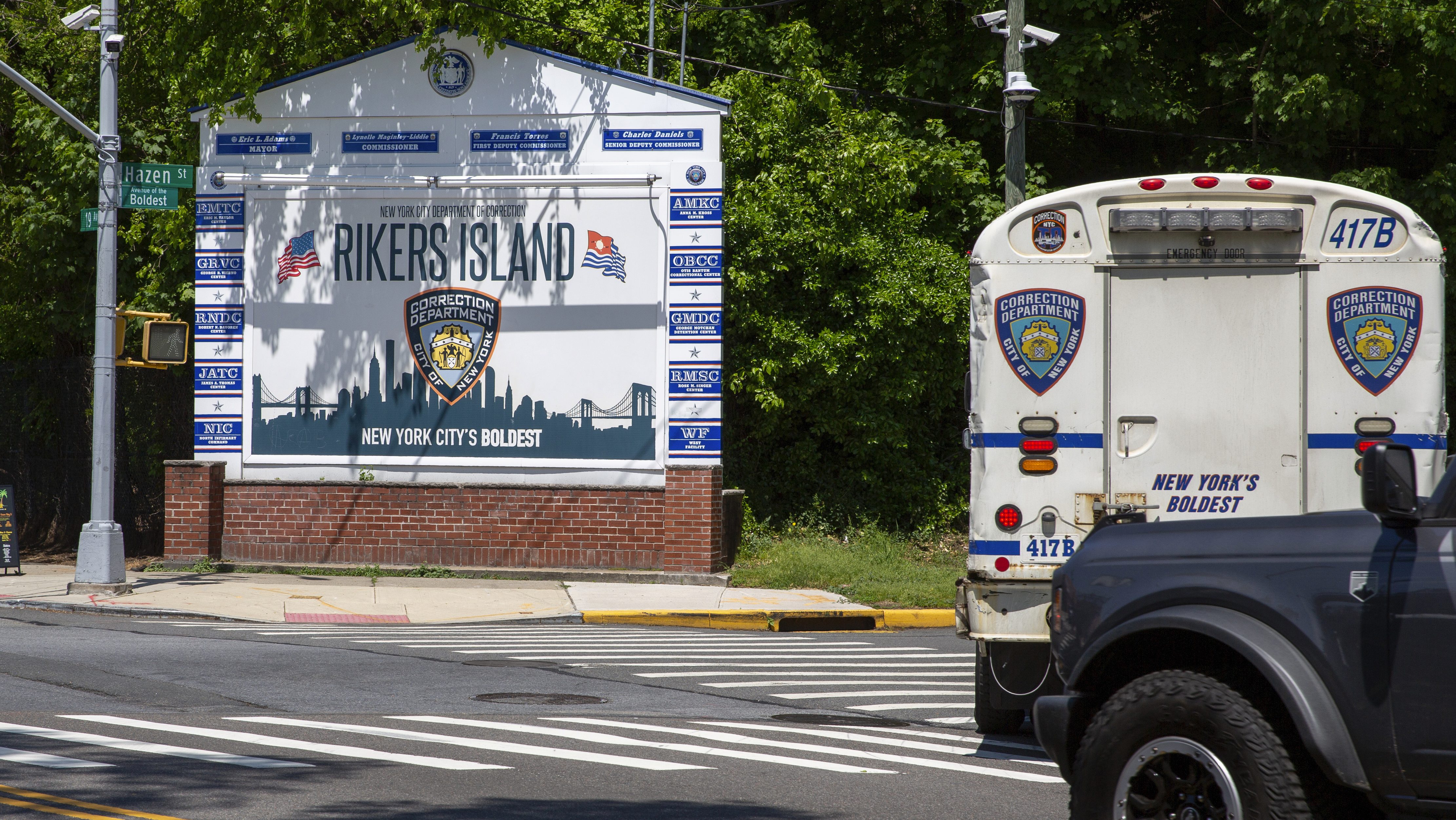
The search for a “closure czar” to oversee Rikers Island’s endgame marks a pivotal moment in New York’s long struggle with penal reform.
Violence at Rikers Island remains astonishing, even by American carceral standards: in 2023 alone, 13 incarcerated New Yorkers died inside its 10 crumbling jails. The city’s most notorious detention complex, set on an island in the East River, has variously been called “the worst jail in America” and “a humanitarian disgrace.” Now, City Hall is hunting for a “closure czar”—an official tasked with steering Rikers to its overdue demise by 2027.
On the face of it, the advertisement reads like any high-level municipal job: a salary between $130,000 and $180,000, a decade’s experience in criminal justice, and fluency in big-project management. But this post carries singular weight and public scrutiny. The new czar will report directly to Mayor Zohran Mamdani and his deputies, bearing prime responsibility not only for shuttering a symbol of failed mass incarceration but for delivering a viable alternative—a network of four smaller, borough-based jails alongside new approaches to criminal justice.
Successive administrations have been stymied by the intractable puzzle of how to close Rikers. Former mayor Bill de Blasio’s 2017 pledge set out an ambitious vision: gradually shrink the jail population with more alternatives to pre-trial detention, overhaul conditions, and replace the jail with neighbourhood-level facilities. By 2019, the City Council codified the closure’s deadline—2027—baking the promise into law, but also ensuring that the city’s legal exposure, if it fails, is substantial.
Administratively, the closure is a labyrinth. Rikers houses roughly 6,000 people—mostly pretrial detainees, including some notorious inmates such as Harvey Weinstein—and its vast complex demands intricate logistics to decommission. Relocation of inmates and staff, new construction in Brooklyn, Queens, the Bronx, and Manhattan, and the delicate political balances of neighbourhood opposition present challenges that no other recent municipal project in New York rivals.
The persistence of appalling conditions at Rikers, from chronic violence to abysmal healthcare and persistent allegations of official neglect, have triggered multiple federal lawsuits. The island’s jails now operate under federal oversight. Each grim lawsuit or scandal tightens the legal and moral noose: simply failing to act carries a price neither taxpayers nor politicians can easily afford.
The appointment of Stanley Richards, a formerly incarcerated New Yorker turned reformer, as Correction Commissioner in February signals a change in phenotype if not yet in substance. Richards’ tenure at the Fortune Society, which supports reentry and alternatives to jail, bodes well for a more humane approach. Mayor Mamdani’s order in January to end excessive solitary confinement—a practice both outlawed and entrenched—nods to reformers, but meaningful progress is hemmed by the daily grind of mismanagement, union resistance, and recalcitrant budgets.
If the closure and replacement plan unspools on schedule—and that remains very much a matter of faith—it could portend a decisive shift away from the brute-force model of American urban detention. The “borough jail” blueprint, with an underlying commitment to reducing reliance on incarceration, might set an example for other cities whose jails are functionally obsolete and socially corrosive. But the risks are legion: New York’s experience will be watched closely for signs of cost inflation, judicial resistance to releasing defendants, and spikes in crime that law-and-order critics are only too keen to ascribe to decarceration.
Economic considerations are weighty, too. Rikers is exceedingly expensive: jailing a single New Yorker can cost upwards of $556,000 annually, a figure dwarfing even the cost of the city’s elite private schools. The potential to redevelop Rikers’ 413-acre site—worth billions in real estate terms—complicates but also perhaps motivates the urgency of closure.
A more modern carceral strategy, so the argument goes, could redirect treasure toward public health, rehabilitation, and housing, rather than endless security and suppression. Advocates point to cities like Oslo or Amsterdam, whose prison systems are scarcely recognisable to Americans: smaller, cleaner, and built around reducing future offending. Yet any whiff of softness on crime remains politically toxic on this side of the Atlantic, making thoroughgoing reform a perennial uphill climb.
The hunt for the czar, the resistance of reality
Finding a closure czar with both the bureaucratic cunning and political fortitude to deliver this vision will not be easy. The requirements read less like a civil service posting and more like a quest for a unicorn—someone who can placate community boards, wade through union negotiations, fend off NIMBY lawsuits, and still satisfy the stern gaze of federal monitors. A university degree and ten years’ relevant experience seem paltry qualifications for such an unenviable post.
Yet the city has little choice but to try. Delay is not an option: lawsuits and prisoners’ deaths tick inexorably upward, and with public patience fraying, each setback hardens cynicism. Any sense that Rikers’ closure is slipping into the gentle night of bureaucratic foot-dragging—rather than being seized and executed—will bring renewed calls for receivership or outside intervention.
Compared to other global metropolises, New York lags staggeringly behind in criminal justice transformation. London and Berlin operate remand facilities that are smaller, more modern, and far less given to the savageries seen on Rikers. The closure czar will face both the impossible politics of American justice reform and the expectations, rational or not, that attend every New York megaproject.
We reckon that seeing through the end of Rikers demands not only managerial flair but ideological clarity about the limits of mass incarceration. For decades, New York’s jail complex has been a symbol of both a bygone punitive spirit and the present cruelty still infused in much of the country’s approach to jailing the poor, the addicted and the mentally ill. The challenge for the next czar will be not simply to dismantle a campus of misery, but to insure its replacements are not, as is so often the case in American reform efforts, misery by another name.
Closing Rikers by 2027 is a test not just of one official, nor even a mayor, but of New York’s commitment to a justice model less defined by spectacle and suffering. True success will be measured in fewer deaths, humane conditions, and public trust—not in ribbon cuttings or municipal press releases. Rikers’ past will linger in the city’s political memory; whether its spirit does too remains to be seen. ■
Based on reporting from El Diario NY; additional analysis and context by Borough Brief.