City Seeks Rikers Closure Czar by 2027, Salary Up to $180K and Plenty of Headaches
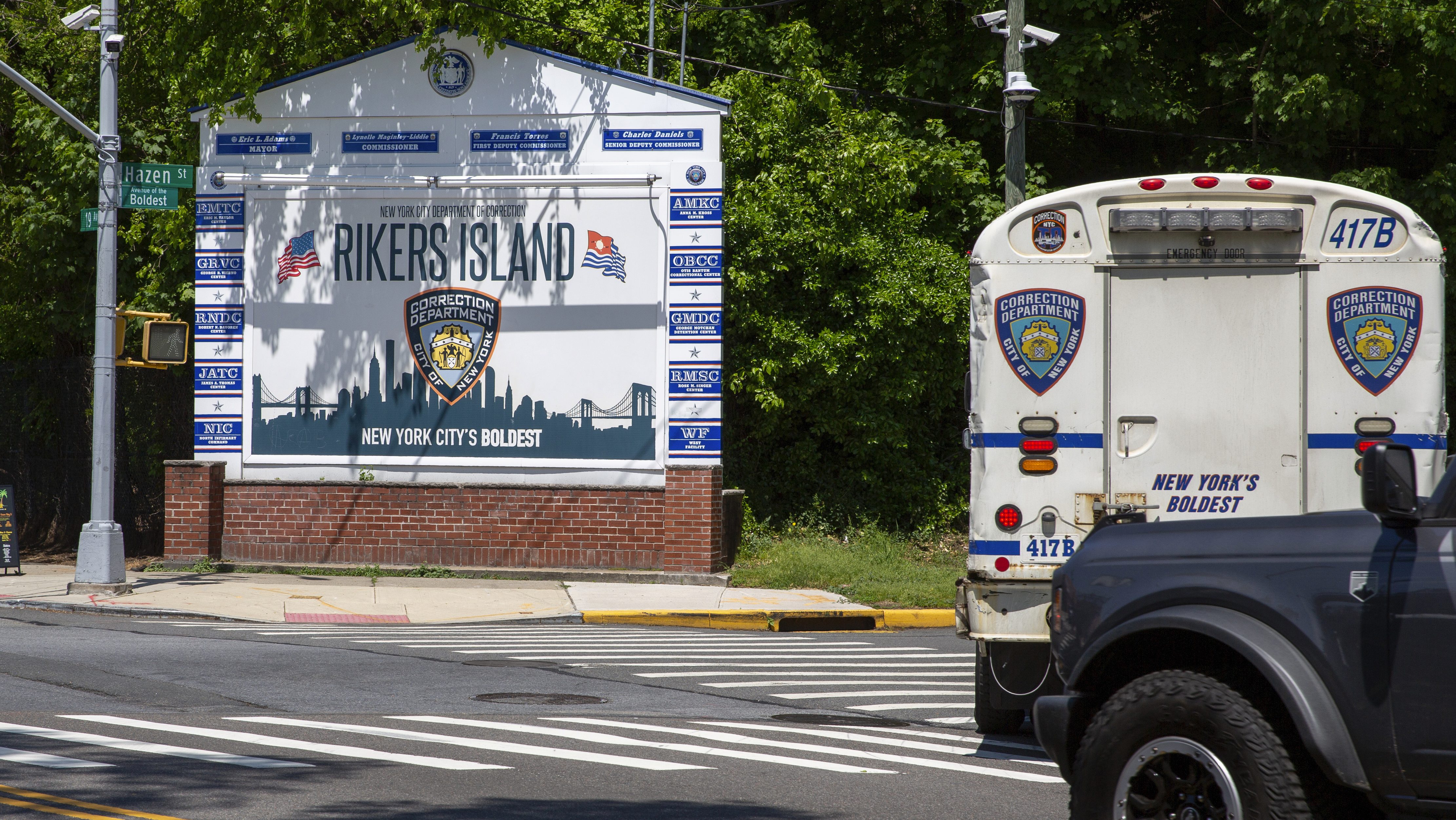
New York is searching for a czar to close its notorious Rikers Island jail, a test of the city’s appetite for penal reform and administrative can-do.
In the clammy air of an early summer morning, the causeway to Rikers Island remains just as it has for decades: a grim crossing leading to a fortress of American incarceration. Yet, at long last, the city is attempting to hire its own “czar”—an official whose sole remit will be to shutter the infamous jail by 2027. Even by Gotham’s standards, the scale of the challenge is prodigious. Rikers, with its ten buildings spanning an island snuggled between Queens and the Bronx, houses thousands awaiting trial and has for years been synonymous with violence, neglect and official impotence.
Earlier this month, Mayor Zohran Mamdani’s administration publicly advertised for the post, offering an annual salary between $130,000 and $180,000. The job description: serve as a trusted adviser to the mayor and top brass, ensure all projects and initiatives for closure and replacement are on track, and steer the city through bureaucratic and logistical rapids. This role ought to have the allure of a mini-city manager post—but previous efforts suggest the czar will need more grit than glamour.
The closure of Rikers has been policy since April 2017, when Bill de Blasio—then mayor—finally yielded to decades of lawsuits, advocacy and media scrutiny. The plan was simple on paper, if slow-moving in execution: reduce the city’s jail population, shift to four smaller borough-based facilities, and reengineer the criminal-justice pipeline to emphasise alternatives to pretrial detention. The city council codified the timeline in 2019. Incarceration trends briefly aligned with reformist hopes, especially as bail reforms and COVID-19 cut inmate totals. Yet the momentum has faltered.
Violence and neglect at Rikers remain endemic. Eleven detainees died there in 2023 alone. Lawsuits from advocacy groups and federal court oversight continue to rain down on the Department of Correction and city administrators. New York has been ordered repeatedly to fix solitary confinement abuses, improve healthcare and ensure basic inmate safety; results have been patchy at best.
The city’s approach since Mamdani took office in January has been to combine headline policy gestures—ending excessive solitary confinement, appointing Stanley Richards, himself formerly jailed at Rikers, to helm the correction department—with attempts at administrative renewal. Richards, plucked from the nonprofit Fortune Society, comes with grassroots credibility in offender re-entry, a stark contrast to the system’s prior preference for law-enforcement insiders.
For the new czar, the obstacles are many and the levers of power not always clear. While city law mandates the closure of Rikers, actual control over timelines and construction budgets is distributed among a veritable phalanx of city agencies. Any bureaucrat or politician who has tangled with New York’s procurement rules and neighbourhood politics will know how sluggish progress can be on even the most urgent projects.
There are further potholes. Building new, smaller jails in the boroughs has aroused fierce NIMBY opposition. The price-tag for construction has ballooned toward $9 billion, as of the latest estimates. Some criminal-justice reformers worry the borough lockups could recreate Rikers’ isolation and dysfunction in miniature, without necessarily reducing the city’s tendency to detain those yet unconvicted.
This local muddle mirrors a national reckoning with bloated and often inhumane pretrial detention. Across America, jurisdictions from San Francisco to Harris County, Texas, have struggled to shrink jail populations and replace decrepit mega-jails with less retributive, more rehabilitative models. New York’s own Rikers saga stands as a gruesome cautionary tale—yet also, if the closure proceeds, as a rare case of muscular overhaul attempted at scale.
Can a czar cut through city hall’s Gordian knot?
From a fiscal standpoint, ending Rikers would free up enormous sums for the city. Riker’s annual operating costs reportedly top $600 million a year—translating into a per-inmate cost among the world’s highest (over $500,000 per year at last audit). Deploying that money elsewhere, with more robust diversion programmes and supervised release, would yield measurable social returns. Yet the politics are fraught: in a city ever at loggerheads over crime, disorder and the equity of criminal-justice reform, neither law-and-order types nor decarceral absolutists are easily mollified.
The stakes extend well beyond numbers. For the thousands of New Yorkers who have cycled through Rikers—often for crimes never proven, sometimes with catastrophic personal results—the institution is a living indictment of “broken windows” policing. Its closure, if competently managed, could portend a change not just in facilities but in civic attitudes about justice, punishment and second chances.
The appointment of a czar represents a fairly American approach to bureaucratic gridlock: appoint one all-powerful figure, vest them with ostensible clout, and hope charisma prevails where committee can only fail. The city’s job notice asks for a college degree plus a decade of experience across the relevant fields—not, alas, mentioning diplomatic gifts or the patience of a saint. The previous record of “czars” (from COVID to housing) suggests both the promise and limits of this fix-it model.
Comparing internationally, most European cities have long avoided the mega-jail model embraced by America’s largest metropolises, focusing instead on small-scale, campus-style remand and pretrial detention. In Scandinavia, the modern penal mantra is one of rehabilitation and reintegration, reflected in jail designs and outcomes alike. New York’s experiment sits awkwardly between these worlds—a city awash with progressive language, still weighed down by decades of carceral inertia.
We reckon the czar’s task is both necessary and Sisyphean. The city’s size and penchant for procedural sabotage almost guarantee delays and hands wrung raw in frustration. Yet historical precedent—from shutting down Willowbrook’s scandal-ridden asylums in the 1970s to remaking Times Square in the ‘90s—suggests New York’s capacity for transformation, however tardy.
Whoever wins the dubious honour of Rikers czar will preside over an epic with no guarantee of triumph and little glory for a job well done. But the alternative—drifting further with Rikers in limbo, bleeding public funds and dignity—cannot be countenanced. If New York’s self-image as a bold urban laboratory means anything, it must summon the political will and managerial nous to finish what it started.
■
Based on reporting from El Diario NY; additional analysis and context by Borough Brief.