Congress Eyes Universal Free School Meals as New York Models the Obvious Solution
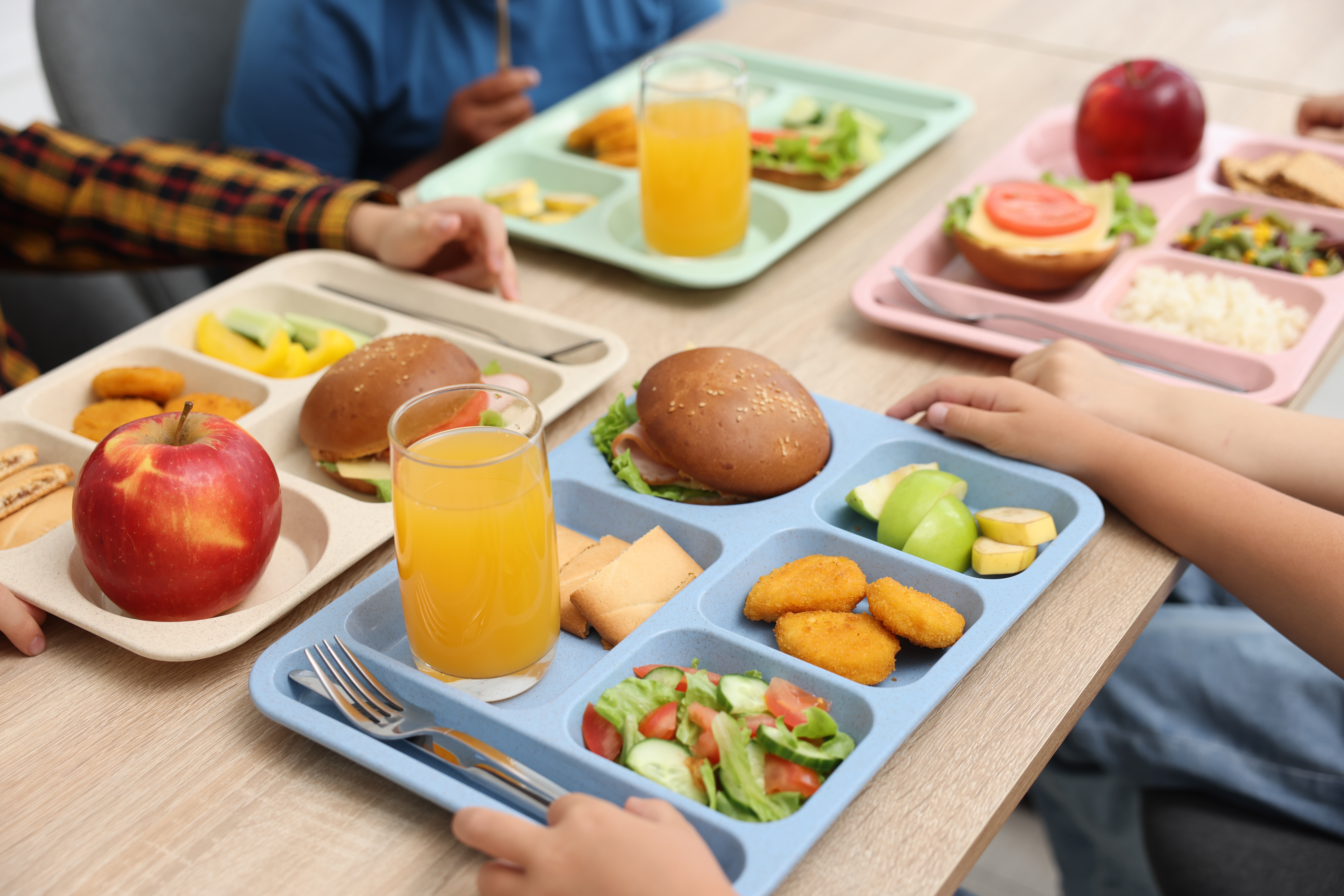
Universal free meals in public schools may sound utopian, but New York’s experience offers data—and a cautionary lesson—for a fractious national debate.
New York City’s classrooms may house tomorrow’s tech titans and poets, but in the present, an arresting 14% of the city’s children live with food insecurity. By one reckoning, over 325,000 New York youngsters are unsure when they will next eat, and for many, the school cafeteria remains a rare safe haven. These stark statistics help explain why the push for universal free school meals, long championed by educators and local policymakers, has once again arrived on Congress’s breakfast plate.
On the national stage, Senator Bernie Sanders and Representative Ilhan Omar recently introduced the Universal School Meals Program Act of 2026, a sweeping bill promising complimentary breakfast, lunch, dinner, and snacks to every American public school student—regardless of parental income. The measure, if enacted, would eliminate the patchwork eligibility criteria that now govern free and reduced-price meals, wiping away the lunch debt that shackles thousands of districts. For New York, a city which, along with California, continued universal free meals after the pandemic era waivers lapsed, the proposal represents an effort to codify what it views as a self-evident good.
There is, to be sure, considerable economic logic behind such largesse. Last year, the School Nutrition Association reported that nearly 1,400 districts in America collectively owed some $8 million in unpaid lunch fees—translating to an average debt of about $6,000 per district. Beyond the bean-counting, there is the question of basic dignity: the bill would also put an end to the unseemly practices—so-called “lunch shaming”—where children and parents are badgered over overdue meal bills.
For New York City, the return on this investment has been impressive, if not always headline-grabbing. When universal meals rolled out in 2017, educators noted improved attendance and fewer disciplinary referrals, especially in lower-income neighbourhoods. With more than 1 million students spread over its public schools, the city consumes about $300 million yearly on school food programmes—no puny sum, but a fraction of its $38 billion school budget.
If the measure passes federally, the city stands to shed some of those costs, passing the bill along to Uncle Sam. That, say supporters, will finally put to rest the era of school bureaucrats doubling as bill collectors—a role they are ill-suited for, as any anxious parent who has received a “lunch debt” letter can attest. City officials reckon that by freeing up time and resources, personnel can sharpen their focus on, say, teaching fractions rather than chasing down them in the ledger.
The indirect effects ripple wider. Taking food off the list of basic anxieties may not vault a child to academic stardom, but study after study underscores the link between nutrition and cognitive performance. Stanford researchers, examining New York’s experience, found that students with regular access to free meals scored approximately 6% higher on state English assessments—proof, if any were needed, that an empty stomach bodes poorly for learning.
Not all, however, are sated by the plan. Some New Yorkers, and plenty outside the five boroughs, bristle at the idea of subsidising Wall Street scions’ children as amply as those from the South Bronx. Opponents sniff at “one-size-fits-all” largesse, questioning whether universalism is efficient or fair in a country still fond of means-testing. Yet the city counters that universal programmes have fewer administrative hassles—no paperwork gauntlet—and are less stigmatising. The paltry uptake of means-tested benefits, after all, often reflects both pride and bureaucracy.
The city’s farmers and food purveyors also spy potential bounty. The Sanders-Omar bill would channel more procurement through local farms, partly as a sop to agriculture lobbies but also as a way to provide fresher, healthier dishes. In New York, initiatives to source apples from Upstate orchards and greens from rooftop farms have proven popular, if not always cost-neutral.
A model for the nation, but not a panacea
American school food, much derided overseas as tepid and uninspired, inhabits a curious place in political culture. Belying the country’s wealth, over 14 million American children endure food insecurity, with pandemic-era waivers briefly and imperfectly addressing the issue. In France, Japan, and Finland, universal school meals are as unremarkable as school buses; in America, the matter routinely devolves into partisan fracas and budgetary brinkmanship.
Congressional prospects for the 2026 bill remain, to put it mildly, uncertain. Republicans, who control the House and exert outsized influence on fiscal committees, have grown stingy towards nutritional assistance in the post-pandemic era, with recent SNAP (food stamps) eligibility tightened and exemptions pared back. The cost of universal school meals—estimated at upwards of $20 billion annually—offers an inviting target for deficit hawks.
Yet New York’s own experience suggests universal programmes are not extravagant boondoggles but rather practical policies with clear dividends. The city, having weathered the expiry of federal waivers by funding meals itself, has demonstrated that the sky does not fall when every child eats for free. Administrative costs decline; child well-being climbs, and the politics—eventually—mellow.
It may stretch credulity that, in 2024, the richest country in history still wrangles over whether its youngest citizens should eat without fear or shame. New York City’s approach is neither utopian nor ruinous, merely pragmatic—a matter of feeding children today so they might stand a little taller tomorrow.
Congress would be wise to take a bite. ■
Based on reporting from El Diario NY; additional analysis and context by Borough Brief.