DOT Doubles Down on Astoria Bike Lane, Expands Plan Despite Judge’s Pause
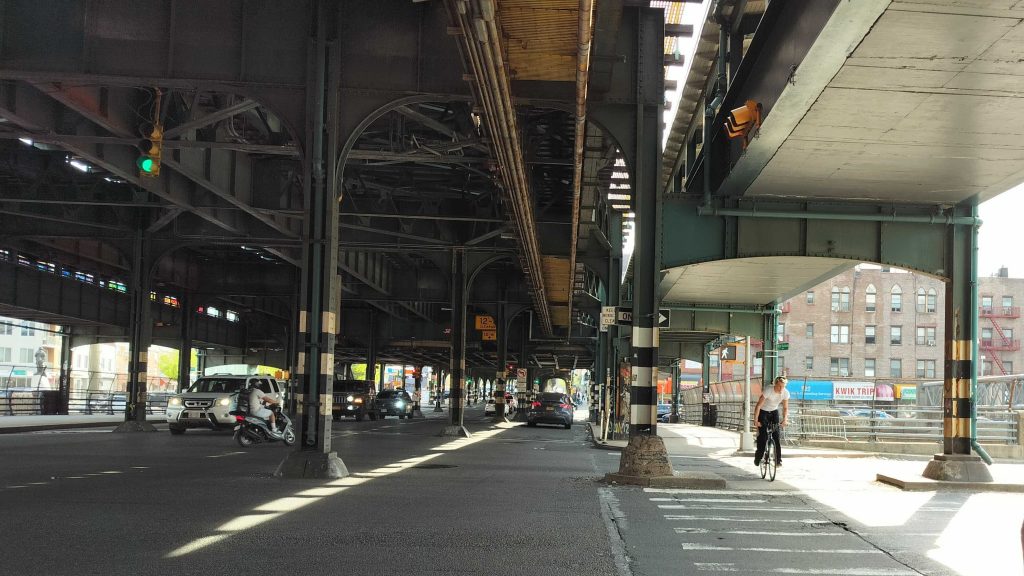
In a city beset by street violence and legal gridlock, New York’s Department of Transportation is doubling down on bike infrastructure in Astoria, with implications for how urban space will be contested—and protected—for years to come.
If one wished to distil New York City’s perennial brawling spirit into a single stretch of tarmac, 31st Street in Astoria would be a felicitous choice. Under the clattering N/W elevated tracks, amid gyro stands and bodegas, recent years have brought more than the usual jostling—since 2021, over 500 traffic injuries, 23 classified as severe, and three deaths have been recorded by the NYPD. Far from cowing city planners, this grim toll has prompted an increasingly ambitious bike lane scheme—one that has survived both legal challenge and vocal pockets of resistance.
The latest twist comes courtesy of the Department of Transportation (DOT) and its energetic commissioner, Mike Flynn. After litigation forced DOT to suspend bike lane installations last year, an audacious counter-move is now afoot: rather than concede, the agency has proposed an even longer protected bike lane along 31st Street, extending coverage from the previous 36th Avenue to Newtown Avenue route all the way from Northern Boulevard to 20th Avenue. Astoria, once a teeming corridor for cars, delivery trucks, and underfoot pedestrians, is poised to become a microcosm of the city’s contested mobility future.
The push for protected bike lanes along 31st Street is not mere bureaucratic tinkering. For locals, it represents a significant alteration to daily life, commerce, and public safety. “When a street strikes fear into the hearts of New Yorkers, it is clear something needs to change,” Flynn drolly remarked. Elected officials, including now-Mayor Zohran Mamdani (formerly Assembly Member), have signaled support for the expanded redesign, which aims to bring shorter crossings, clearer traffic patterns, and more room for the unloved pedestrian.
Legal obstacles have abounded. In December, a Queens judge, Cheree Buggs, not only set aside years of precedent giving DOT sweeping latitude over street design but also voiced unusual skepticism about the rationality of the agency’s chosen layout. Buggs sided with bike lane opponents—chiefly a handful of 31st Street business proprietors—who argued that new protected lanes were untested or unsafe. The court went so far as to demand a formal reset: a new round of approvals from the all-powerful FDNY and sundry agencies before a road cone could be moved.
For a brief moment, it seemed DOT might quietly retreat. New Yorkers have seen promising transit experiments dulled by protracted litigation and municipal inertia before. Instead, the agency doubled down, launching a fresh round of community engagement and bureaucratic box-checking, all while making clear it would file an appeal to contest the court’s novel legal arguments. The result: a plan both broader in scope and more thoroughly documented, designed to silence critics on both legal and procedural fronts.
New York’s own data lend weight to the DOT’s ambitions. Citywide, protected bike lanes have slashed severe crashes by over 18%—for pedestrians, the figure climbs to 29%. While critics mutter darkly about double-parked delivery vans and diminished business trade, evidence of a catastrophic impact on shop owners remains as elusive as credible proof of UFOs on Queens Boulevard. Traffic calming, like all regulatory interventions, generates localized disruption. Yet the city’s relentless rise in cycling rates and its persistent road carnage tip the policy balance toward infrastructure that privileges safety over nostalgia for the curbside status quo.
For Astoria residents and businesses, the outcome portends both promise and pain. Commuters and families—especially those not ensconced in SUVs—can expect safer traversing of a corridor long regarded as hostile by everyone except the owners of body shops. For businesses who fear lost revenue from fewer parking spots, adjustment will be less comfortable. DOT’s outreach, if earnest, will be put to the test by neighbors unconvinced of the broader social good.
Wider lessons in the city that never slows down
What unfolds on 31st Street reflects urban tensions playing out in cities across America and indeed the world. From Paris to Portland, street space is increasingly recast as a scarce, shared resource—less the property of the motorist than a civic asset in need of perpetual rebalancing. New York’s insistence on procedural fastidiousness—getting the FDNY’s sign-off, soliciting yet another round of public input—might seem parochial. But its legal disputes and bureaucratic contortions are watched closely by urbanists elsewhere, for they illustrate both the potential and the vexing pace of change in large, democratic polities.
In cities such as Amsterdam or Copenhagen, the shift to bicycle-friendly infrastructure was neither smooth nor universally welcomed. There, too, initial objections were fierce; now, cycling is intrinsic to the civic identity—a dry testament to how infrastructure, once installed, bends habits as surely as it channels traffic. Whether New York’s current efforts will accrete into something as transformative remains uncertain. The city’s appetite for litigation is nearly as bottomless as its population’s capacity for argument.
We admire the persistence of Flynn’s DOT, if not always the snail-like tempo of administrative procedure. New Yorkers do not lack for opinions nor for vehicles, but they might profit from a little less friction—both literal and figurative—on roads routinely calibrated for deadly speeds. The agency’s insistence on evidence-driven design bodes well, particularly when the alternative is to yield to anecdote and inertia.
Yet optimism must be hedged. Even the most finely-engineered lanes or curbs cannot substitute for political will and diligent enforcement, nor can they neutralize a determined coalition of shopkeepers, plaintiffs, and borough politicos. In a city where ‘community process’ can be both a blessing and a cudgel, sustained progress often depends less on the brilliance of the plan and more on the stamina to survive the next lawsuit, the next rally, the next news cycle.
If 31st Street’s saga is emblematic of anything, it is that the struggle for safer streets is a marathon, not a sprint. As the city’s pulse quickens—with more cyclists, denser neighborhoods, and a public ever hungrier for livable, walkable spaces—these conflicts are likelier to multiply than to abate. For DOT, victory will not mean the absence of opposition, but its containment by evidence, persistence, and, perhaps, a touch more procedural choreography.
One thing, at least, is certain: if the path to safer streets must wind through lawsuits, public hearings, and irate business owners, New York will surely insist on taking the scenic route. ■
Based on reporting from Streetsblog New York City; additional analysis and context by Borough Brief.