Fifteen Inches Blanket City as Plows Race Mayor Mamdani’s Travel Ban to Noon
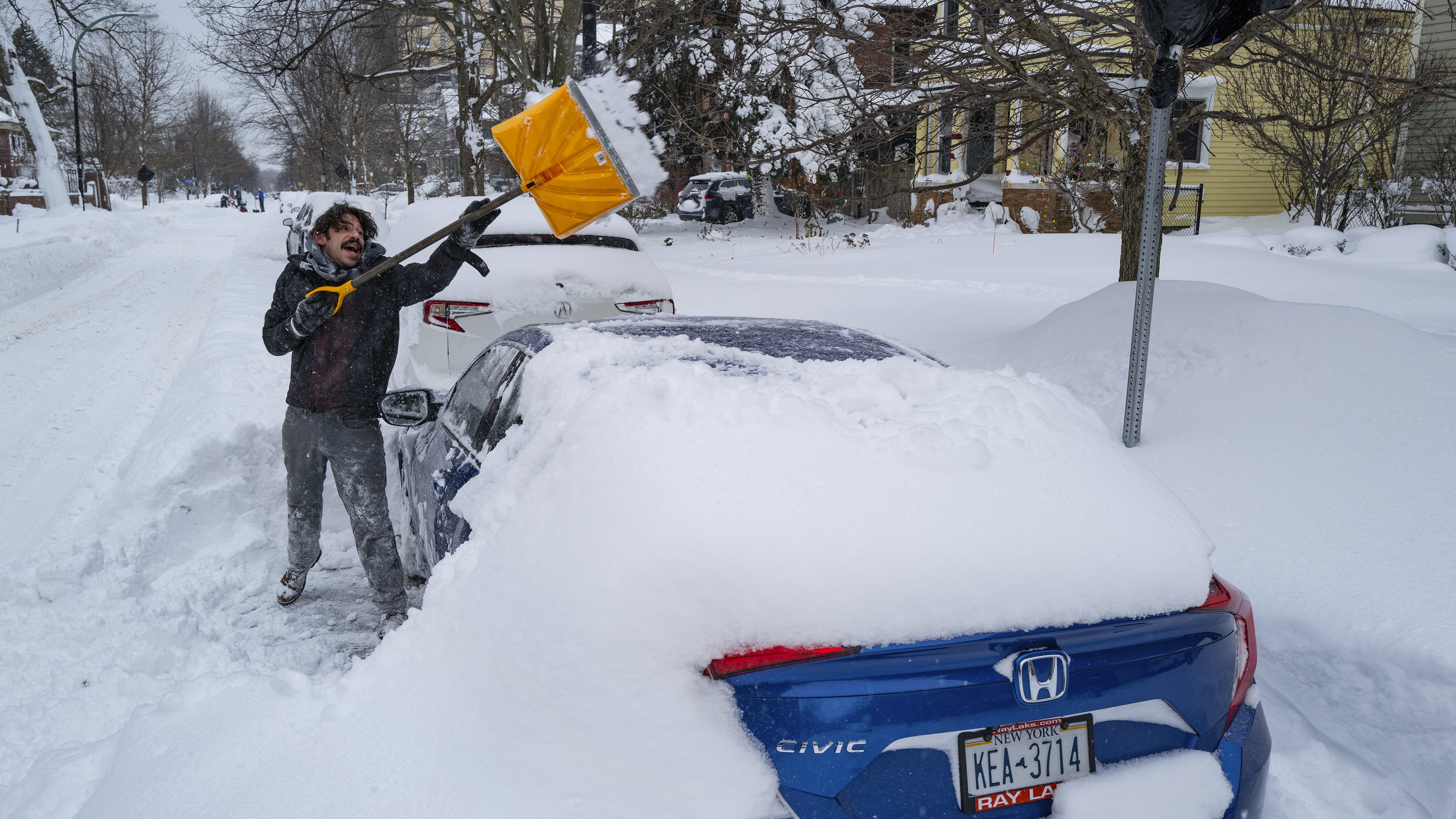
The city’s heaviest snowfall in years has tested New York’s resilience—and hinted at lurking weaknesses in its urban machinery.
Just before dawn on February 9th, as most New Yorkers remained cocooned in sleep or gloomily eyeing weather apps, the city’s five boroughs sat under heaps of freshly fallen snow. Central Park’s official gauge noted 15.1 inches—a total unseen for nearly a decade—while outlying areas fared even worse (Coney Island: 16; Islip, on Long Island: a punishing 22.5). In lower Manhattan, skyscrapers vanished into a white void, the city’s bustle muffled down to the scrape of snowploughs and the distant hum of salt spreaders.
This was no ordinary winter squall. Beginning midday Sunday and pounding through the night, New York’s blizzard closed schools, grounded flights from both JFK and LaGuardia, and forced Mayor Zohran Mamdani to impose a citywide travel ban effective through at least midday Monday. It was a “traditional snow day,” as the Department of Education cheerily announced—though the glee was tempered for anyone compelled to brave the elements.
As the National Weather Service tracked gale-force gusts—Manhattan recorded a cruel 47 miles per hour at 3am—the city’s vast apparatus rumbled to life. By sunrise, more than 5,000 snowploughs and salt spreaders from the Department of Sanitation had combed the city, many streets scraped at least once per hour. PlowNYC, the city’s online tracker, showed encouraging progress, but officials pleaded with New Yorkers to stay put. Visibility was pitiful (a quarter-mile at best) and roads, despite efforts, remained slick, if not impassable, in places.
New York is no stranger to snow, but even a city seasoned by storms can be caught unawares by nature’s less dainty moods. In flat terms, New York’s urban metabolism—the flows of workers, food, and freight—slowed to a crawl. By 8:15am, subway trains idled, bus routes sputtered, and ride-hail apps flashed mea culpas; the few braving the outdoors were left to wade through drifts and ice, dodging the cacophony of snow-removal equipment.
The blizzard’s economic toll ticked steadily upward. The city’s 1,700-plus public schools remained dark, sending hundreds of thousands of students home and exacting logistical headaches for working parents—particularly those without remote-friendly jobs. Flights into and out of the region’s airports stalled: as of Monday morning, over 80% of departures were cancelled or delayed. Theatre curtains remained stubbornly shut; attractions from the Met to Broadway joined in enforced torpor.
New York’s urban machinery, to its credit, performed in line with expectations—if one is an aficionado of the puny, perpetual race between municipal preparation and weather’s caprice. The city budgets $86m annually for snow removal, a paltry sum given its size, and owns one of North America’s largest fleets of ploughs. Still, each surge of heavy snowfall exposes familiar cracks: slow response times in outlying boroughs, the frailty of mass transit, and the marginalisation of those for whom work-from-home is a luxury.
Social consequences extend beyond missed appointments and slippery commutes. In recent years, New York’s blizzards have underscored divides between neighbourhoods. Affluent areas tend to see swifter ploughing (and more vocal complaints), while working-class enclaves in the Bronx or southeast Queens see delays. The city’s elderly—already beset by isolation—find their mobility and social services batted aside by impassable pavements.
Whiteout across America
This year’s storm is no outlier. The northeast corridor, home to nearly 60m people from Washington to Boston, regularly faces such weather events, though climate models suggest an erratic pattern: fewer snowstorms overall but those that strike tending toward the gargantuan. In 2023, Chicago and Boston both weathered brief city-crippling blizzards. European cities like London, though less prepared, have recently faced similar disruptions and made for instructive counterpoints—London’s transport system, for example, can seize up at the merest flurry.
Federal agencies, such as FEMA, remain on the alert during major storms along the Eastern Seaboard, coordinating alert systems and disaster funds. Yet the basic questions remain municipal: how to budget nimbly for rare but enormous storms, how to keep transit from collapsing, and how to ensure equitable access to cleanup and services. New York’s current storm, dramatic as it seems, may presage a future where such weather is not quite as rare as it was in the late 20th century.
In truth, we reckon the city’s response, while competent, suffers from the endemic weaknesses of giant American metropolises: patchwork infrastructure; a fiscal penchant for penny-pinching when the sun is out; and limited recourse for low-income residents stranded by geography. Yet the municipal machinery, despite its flaws, has become more data-driven in recent years. PlowNYC’s real-time dashboards, for instance, make snow-removal accountability easier, and public communication has improved, with clear messaging on transit, closures, and safety.
The city, in short, still muddles through, battered but unbowed—as it has through wars, recessions, and, more recently, pandemics. We detect a modest but buoyant resilience in the communal mobilisation, the camaraderie of neighbours wielding shovels, and the social media habit of swapping snow-day memes.
Nevertheless, the city’s annual snow test is a hint—sometimes lost in the soft focus of romantic winter photography—of deeper challenges. New York’s status as a “city that never sleeps” relies on more than plucky spirit or the size of its sanitation fleet; robust urban infrastructure, equitable resource allocation, and climate adaptation are not luxuries but necessities in an era of erratic weather. If the city truly aspires to global prominence, it may need to spend less time lauding its grit and more effort updating its nuts and bolts.
For now, the storm’s snowscape will melt in a few days, leaving behind slush, salt-stained shoes, and the annual debate over municipal readiness. The city, for all its flaws, remains upright—and perhaps a touch more prepared for whatever nature pelts at it next. ■
Based on reporting from El Diario NY; additional analysis and context by Borough Brief.