Fiscal Watchdog Backs Expanding Fair Fares to 2 Million New Yorkers, Cites Low Cost
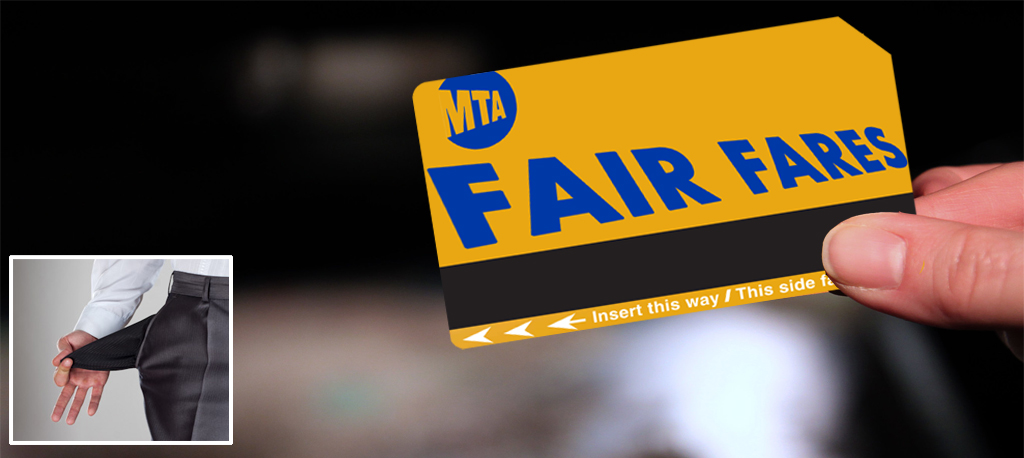
In an era of strained city budgets and mounting cost-of-living pressures, the future of subsidised subway fares offers a revealing test of New York City’s capacity for targeted generosity.
Subway turnstiles across New York, those harbingers of the city’s daily momentum, now serve another purpose: measuring the reach of government largesse. On ordinary weekday mornings, millions of New Yorkers squeeze past the metal arms, wallets lighter after a $2.90 tap. For low-income residents enrolled in the city’s Fair Fares program, however, that journey comes at half the price—a modest savings now at the centre of a policy debate over the boundaries of public subsidy.
This week, the Citizens Budget Commission (CBC)—a watchdog better known for its careful stewardship than for social programme expansion—tossed its weight behind a proposal to extend Fair Fares to three-quarters of a million additional New Yorkers. Their plan calls for raising the program’s qualifying income threshold from 150% to 250% of the federal poverty level. If enacted, nearly two million city dwellers, a full one in four working residents, would become eligible for half-price MetroCards at a citywide cost of $232 million.
The CBC, not typically given to boosterism, makes the case on classic utilitarian grounds. According to their analysis, 75% of New Yorkers earning up to the new cut-off already commute by subway or bus, and the average annual savings—about $750—would be meaningful in households confronting rising rents, groceries, and utility bills. In a city where “affordability” now rivals “the New York Knicks” as an all-purpose slogan, such thrift is not mere virtue-signalling.
Since its launch in 2019, Fair Fares has been deployed in careful increments: first pegged to the poverty line, and gradually ratcheted up, most recently to 150% (about $32,000 for an individual, $66,000 for a family of four). Mayor Zohran Mamdani has signalled support for still bolder moves, including universal free buses. But the CBC counsels that expanding Fair Fares offers a “bang for the buck,” targeting the working poor and cash-strapped, without the steep citywide price tag that universal free transit carries.
Practically speaking, an extra $146 million—a rounding error in a $110 billion city budget—would provide discounted rides for New Yorkers on the lower rungs of the economic ladder, and would do so in the form of a user benefit. The Metropolitan Transportation Authority (MTA), which is reimbursed for Fair Fares rides, is avowedly supportive; the agency faces chronic funding headaches, and prefers subsidies that do not threaten its balance sheet.
The political logic is clear enough: subsidise commuting for those who need it most, without sprinkling discounts on hedge-fund managers or tourists. In a city where roughly 40% of households are considered rent-burdened, and wage growth lags the inflation in essentials, the program has a particularly surgical appeal. For recipients, the effect is palpable: buses and subways become not just modes of mobility, but tools for holding jobs, attending school, and seeking opportunities citywide.
There are, of course, trade-offs. New York is no longer swimming in pandemic-era largesse. Budget gaps are forecast in the billions for years ahead, and even minor outlays risk becoming hostages in larger political horse-trading. The city must also weigh competing priorities—affordable housing, education, policing, and a byzantine array of social services—all jostling for the same shrinking pot. Whether an expanded Fair Fares, at $232 million, is the best use of incremental funds is a question best answered in the cool air of cost-benefit analyses rather than in rhetorical skirmishes.
Some critics have floated still wider eligibility, or even outright fare-free transit. Yet such ambitions may be untethered to economic reality. Universal programs are easy to champion and devilishly hard to unwind. New York’s experiment with free bus pilots, though politically popular, has shown early signs of operational headaches—more crowding, less fare discipline, and the risk of “free ride” enthusiasts from outside the intended target groups. Meanwhile, the MTA’s acute financial woes remain unsolved; further undercutting farebox revenue would surely portend new headaches for the agency.
A tale of two cities—and a nation’s transit struggles
Although New York’s debate feels characteristically local, the underlying dilemma echoes nationally and globally. Cities from London to San Francisco face parallel battles over how best to balance transit affordability with fiscal sustainability. London’s “Freedom Pass” for pensioners, for instance, offers lessons in targeted generosity, while cities such as Kansas City have experimented with full fare-free service—typically with mixed evidence on ridership gains or equity outcomes.
In Europe, means-tested transit subsidies are generally favoured over universal free rides, precisely because they allow cities to direct resources where need is greatest. Paris’s sliding-scale fares—tied to income and household size—have proven effective at maintaining revenue without sacrificing access. By contrast, the American tendency towards broad-based, politically popular programs often risks diluting scarce dollars.
What does the data say? Sceptics argue that simply moving the poverty threshold risks benefit “leapfrogging”—where modest raises in eligibility create new cliff effects, discouraging work at the margins. Yet the CBC’s analysis suggests most newly eligible recipients are already employed, and transit use is a necessity, not a caprice. The greater threat to social mobility, in their telling, remains unreliable or unaffordable transit, not marginal changes in threshold.
There is, underlying all this, a broader question about what it means for New York to remain a city of possibility, rather than one stratified by postcode and pay cheque. Affordable, reliable transit has always been the circulatory system of the city’s economy. The subway, for all its quirks—a panoply of delays, odd smells, and indefatigable buskers—is decidedly cheaper than car ownership, and more environmentally rational. Ensuring those benefits accrue to the working poor is, in a way, prosaic city-building.
We reckon the CBC has the better of the argument. A modest expansion of Fair Fares is data-driven, cost-containable, and directly targeted. It enables, rather than disables, the city’s workforce, and respects taxpayers’ limits by not promising the moon—a discipline all too rare in political cycles powered by Tammany-esque ambition. As New York confronts the hum of populist demands and fiscal constraints, the city would do well to remember that public benefit is best when it is well-aimed.
For now, the city’s best bet is not free rides for all, but fuller rides for those who need the break. Call it prudent generosity—a very New York solution to a very New York problem. ■
Based on reporting from Streetsblog New York City; additional analysis and context by Borough Brief.