Fuel Surcharges Quietly Creep Into More NYC Checkouts as Oil Prices Climb Again
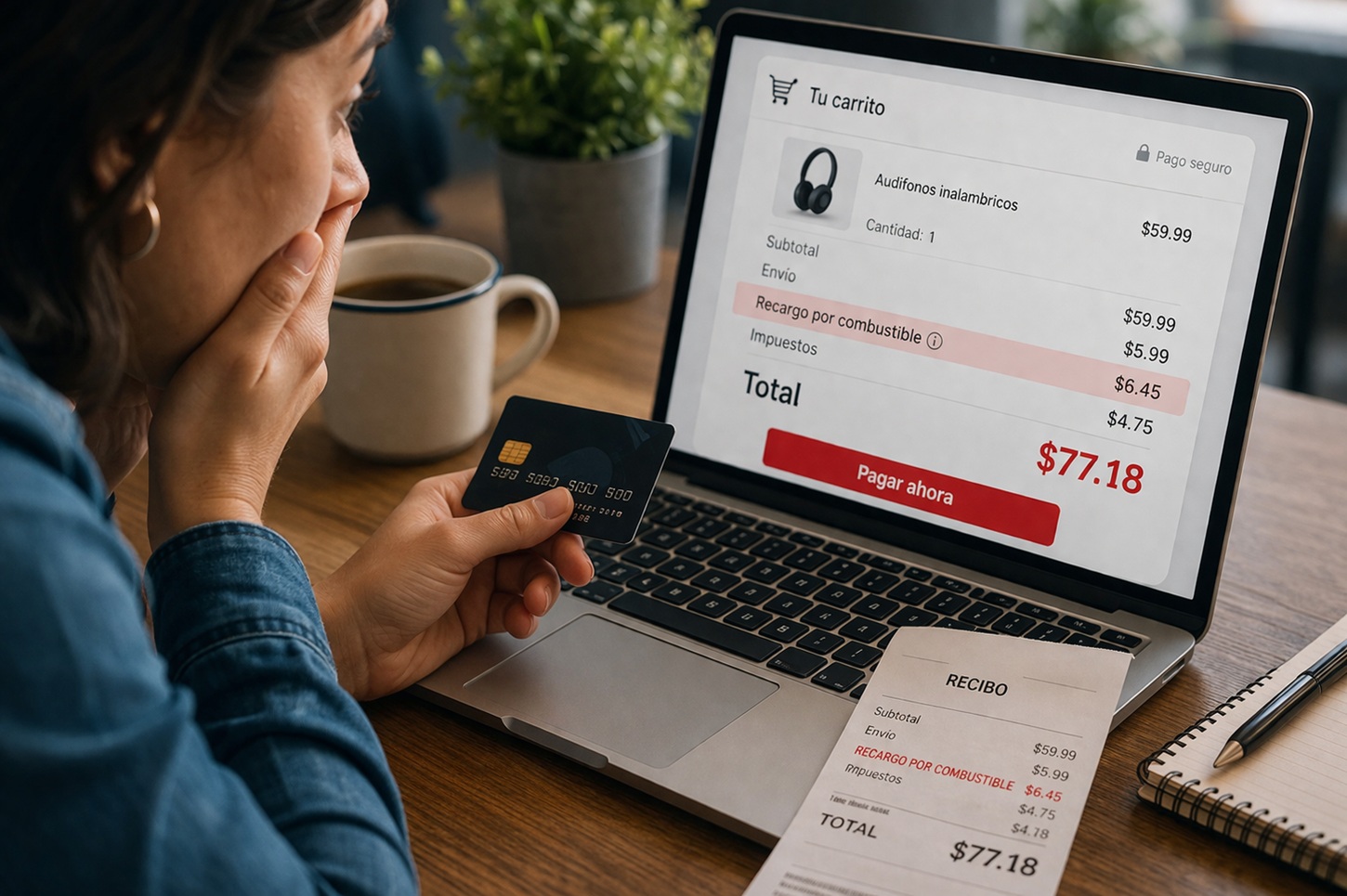
Hidden surcharges on fuel: how the renewed rise in oil prices quietly squeezes New Yorkers’ wallets and complicates inflation’s return to target.
On a damp Tuesday, as New Yorkers lined up at bodegas to buy milk or croissants, almost none paused to scrutinise the cryptic third line on their receipts: a “fuel surcharge” of a paltry seventy-eight cents. Across the country, similar fees are cropping up everywhere from delivery apps to dry cleaners. The latest spike in oil prices—prompted yet again by instability around Iran—has led American firms to revive an old tactic for managing energy costs: shifting the burden to consumers through surcharges that show up only at the register, or sometimes as an afterthought at the checkout confirmation screen.
The mechanics are simple. Oil prices, up more than 25% since conflicts flared in the Persian Gulf in early 2024, have squeezed businesses, from hauliers to airlines. Rather than raising sticker prices—a move that can send customers fleeing—they tack on a separate “fuel” fee, hoping it passes under the radar. This practice is anything but new; what is novel, say analysts at CNN and logistics firms, is its sudden spread beyond the usual suspects. Today, even laundry services and flower shops are adopting the approach.
In New York City, where logistical webs are as tangled as subway tunnels, these fees add up with unnerving speed. Every inbound loaf of bread or bag of fruit rides a truck, a van, or a delivery bike—each now costlier to operate. So, though the increments might seem trivial, over hundreds of weekly purchases they mount into a steeper cost of living for harried residents. Unlike headline inflation, however, these charges rarely generate public protest.
For the city’s millions of renters, already battered by record-high housing costs (the median one-bedroom rent recently surpassed $4,000), the cumulative effect is insidious. Unheralded, these fees nibble away at disposable income. Local families, especially those relying on frequent deliveries—be it groceries, Amazon cartons, or take-out—will feel yet another squeeze. Businesses, for their part, justify the surcharges as essential to maintaining service without gutting already-thin margins.
Consumers, meanwhile, are left in a fog. By design, fuel surcharges tend to be small and easy to overlook, and may vary with little explanation. Unlike a straight price hike, which might spur nimble New Yorkers to switch vendors, the surcharges invite more resignation than resistance. Studies suggest that most Americans pay scant attention to line-itemed fees—unless they balloon to absurdity.
Beyond psychological sleight-of-hand, the proliferation of these charges portends economic complications. For one, they mask the true cost of inflation, complicating central bankers’ Herculean task of measuring and taming price growth. The Federal Reserve, as hawkish as ever in 2024, prefers transparent, basket-wide price signals. When companies nudge up base prices, it is visible in the statistics; when they sneak in surcharges, inflation’s progress becomes harder to tally.
There are political downsides, too. The current wave of surcharges may inflame distrust in both regulators, who appear unable to curb such practices, and firms, which seem coy at best. New York’s consumer-affairs bureaucracy can bluster about transparency, but is unlikely to proscribe what many see as a legitimate pricing tool—especially when business lobbies argue that, absent such flexibility, some industries could contract or shed jobs.
Nationally, these surcharges have begun to infiltrate major sectors. Airlines have restored fuel levies on many domestic routes; logistics behemoths like UPS and FedEx have made surcharges standard fare. More tellingly, their use has seeped into less-expected corners of commerce. Service-based urban economies, as in New York, are especially exposed. In developed countries beyond America, the trend is similar if less pronounced: European rail operators experiment with variable fees, and Japanese delivery firms toy with “energy adjustments.”
Fuel surcharges, a global phenomenon, return to the local stage
The global context hardly inspires optimism. Although renewable energy sources have made modest progress, the world remains beholden to hydrocarbons for both transit and trade. Geopolitical turmoil, now perennial, bodes ill for price stability. Past energy shocks—in 2008, 2011, and 2022—prompted analogous waves of surcharges, yet consumers and policymakers largely resigned themselves to their persistence until oil markets calmed.
Some economists, dryly, wonder if these charges might one day be rendered moot by electrification of delivery fleets and cleaner supply chains. Realistically, though, the city lags behind such utopian scenarios. Electric trucks are few, and the grid remains moth-eaten. Until then, consumers should expect fuel surcharges—sometimes overt, sometimes dressed in euphemism—to remain part of the cost of urban life.
We view such pricing—opaque, irksome, and rational—as unlikely to vanish. Firms will always seek camouflage for cost increases, especially in a city where customers are price-sensitive and competition is fierce. The right policy response, if there is one, favours transparency over prohibition. Regulators ought to nudge companies to spell out fees clearly, or label them as temporary, rather than pretend they do not exist.
In the meantime, as the city’s shopkeepers and delivery workers navigate unruly energy markets, New Yorkers will discover that what lies between the posted price and the final bill is rarely accidental. Surcharges may be dull, but they are the canaries for bigger economic storms—a lesson worth noting before the next receipt arrives. ■
Based on reporting from El Diario NY; additional analysis and context by Borough Brief.