Gas Prices Hit $4.50 in NYC as Trump Tariffs and Persian Gulf War Bite Hard
Rising costs and economic unease cast a long shadow over New York’s diverse communities, as federal promises of prosperity ring hollow.
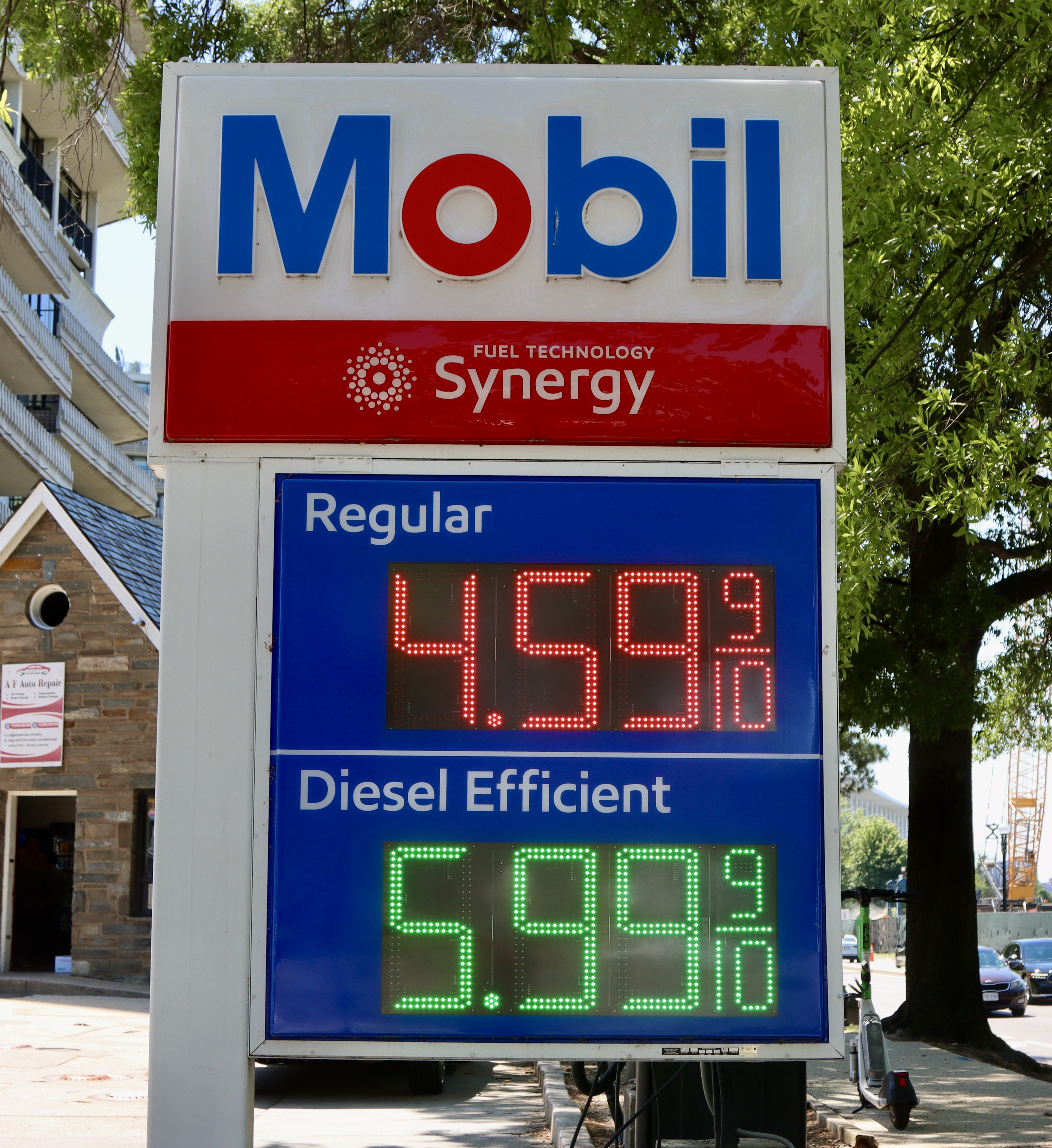
On a muggy May morning, the digital display at a Manhattan gas station flickers with an unremarkable, if worrying, number: $4.50 per gallon for regular unleaded. With diesel a dollar dearer, motorists queue anyway, resigned to the city’s new price of motion. Nearby, the price of a pound of ground beef has quietly climbed nearly 20% in a year—enough to make even the most carnivorous New Yorker pause at the supermarket counter. For a city weaned on constant change but seldom comfortable with it, the latest financial pressures are testy reminders that campaign bluster and economic reality rarely converge.
When Donald Trump recaptured the White House after the turbulent 2024 elections, his inauguration speech promised a “flood of prosperity” and a return to stable, affordable living costs. Photographs from the campaign trail still circulate online: the defeated, forlorn pose by sacks of flour, eggs, and gallons of milk, staged to assure working Americans that help was at hand. The pledges were not shy. Food and energy would become affordable immediately. Inflation would be tamed. If only, it seems, the world were governed by slogans.
A year and a half into the new administration, New Yorkers find themselves dissecting the legacy of these vows. Inflation, which stood at a manageable 2.7% before Mr. Trump’s return, has ticked up to 3.8%. Though modest on paper, the aggregate effect is punishing. Foodstuffs, fuel, insurance, and even the humble loaf of bread now elicit a wince from cashiers and customers alike. Housing in the city—already precarious—becomes further out of reach for the average worker, squeezing families from all sides.
The fallout is keenly felt among the city’s Latino community, which comprises nearly one in three residents. Data from the Department of Labour reveal that unemployment among Latino New Yorkers has risen to 5%, well above the city-wide average of 4.3%. Sectors typically buoyant—construction, manufacturing, healthcare—have shed jobs, eroding gains made in recent years. For families already juggling multiple jobs and tight budgets, the squeeze is not academic. Grocery lists shrink; parents skip meals; the “second shift” becomes a grim necessity rather than a choice.
Rising health insurance premiums have further complicated survival math. Republican refusal to extend federal tax credits, according to the National Institutes of Health, will mean 6.5 million Latino Americans will see their annual insurance costs jump by at least $1,000 this year. Forthcoming changes threaten to leave four million without coverage entirely. In New York, itself no stranger to insurance bureaucracy, health clinics report longer queues and more families foregoing basic care.
The causes are legion but traceable. New tariffs—gargantuan in both breadth and economic impact—have splashed onto New York’s consumer markets. Designed to galvanise domestic production and protect American workers, they have instead raised the cost of imported goods. The Joint Economic Committee reckons the average American family will pay $2,500 more this year for everyday goods, a 43% jump from last year. Factor in the city’s dependence on global supply chains, and the tally feels both real and raw.
A world of pain: New York in global perspective
New York’s discomfort is not unique—European cities too have seen petrol and groceries rise, buffeted by conflict- and climate-driven shocks—but America’s experiment with sweeping tariffs stands out. Rather than stimulating domestic output, economists suggest, the levies have mostly passed straight to consumers, compounding inflationary trends already unleashed by supply disruptions from the protracted Gulf conflict. This global unrest has destroyed 80 oil installations, according to market analysts, ensuring, in their view, years of elevated energy prices. Optimists hoping for a return to $3 gasoline must content themselves with projections of $5 or more by summer.
The administration’s economic woes have been matched only by its political malaise. According to recent polling, just 34% of voters approve of President Trump’s stewardship. Among Latinos, traditionally a barometer of New York’s broader mood, approval limps below 30%. Three-quarters of Americans blame the White House for high energy prices; an overwhelming 77% peg Mr. Trump for the pain at the pump. Such numbers do not bode well for a party seeking to shore up support among working families.
The city’s small businesses—often lauded as its economic backbone—are suffering a double blow. Higher import costs eat at already narrow profit margins, while wage pressures force difficult decisions between layoffs and passing costs along to customers. The upshot: a stuttering economy that looks less like the post-pandemic renaissance promised on the stump and more like a long, slow grind.
For many New Yorkers, resilience is second nature. History offers scant comfort: previous waves of price shocks and economic dislocation, from the 1970s oil crises to 2008’s financial collapse, taught this city how to absorb hardship with something approaching dignity. Yet the present malaise feels avoidable. Had policymakers pursued targeted aid and eschewed broad-brush tariffs, or worked to shore up health coverage, the burden on ordinary families might have been lessened.
Comparisons with other world cities suggest there is nothing inevitable about New York’s woes. In Toronto, for instance, robust social safety nets and careful management of trade have kept inflation below 3%, and petrol prices from breaching $4 per gallon. Singapore’s measured interventions, meanwhile, have softened the worst effects of global turmoil. The lesson? While macroeconomic headwinds are inescapable, policy choices matter—especially in cities already wrestling with inequality and rapid demographic shifts.
New Yorkers, never renowned for patience, have begun to demand answers. City politicians mutter about local remedies, but the levers of change remain largely in Washington. Meanwhile, the gap between campaign rhetoric and reality bodes ill for trust in institutions. When even the most ardent optimists resort to dispassionate arithmetic, something has gone awry in the city’s social contract.
Neither history nor demography ensures New York an easy recovery. If the city is to regain its footing, both federal and local leaders will need to recalibrate—abandoning headline-making bravado for sober, data-driven pragmatism. Until then, residents must muddle through: at the register, the gas station, and the doctor’s office, reckoning not with promises, but persistent penury. ■
Based on reporting from El Diario NY; additional analysis and context by Borough Brief.