Gas Prices Top $4 Nationwide as Middle East Tensions Leave New Yorkers Watching the Meter
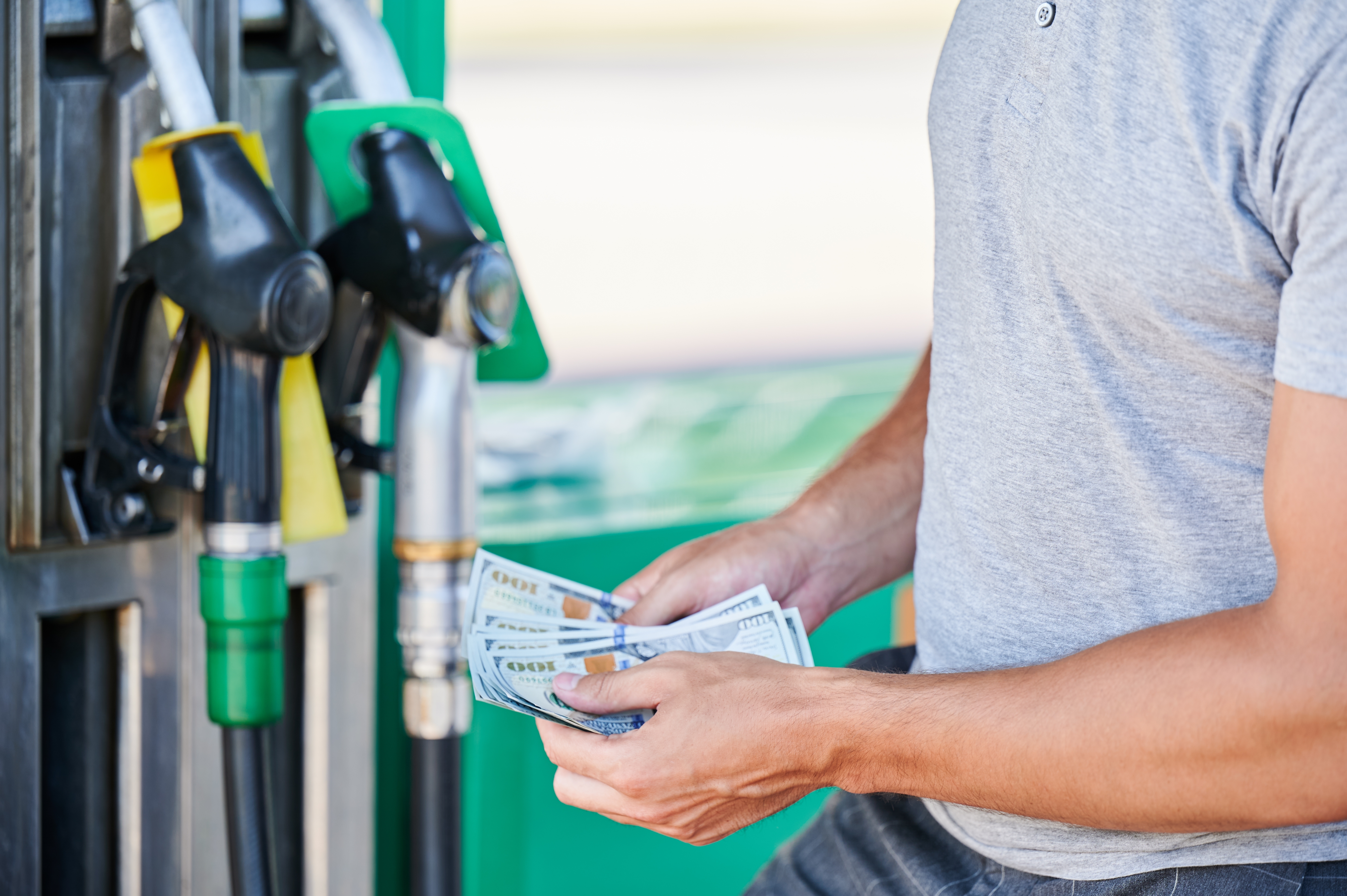
Soaring gas prices, now topping $4 per gallon in the United States, are squeezing New Yorkers and deepening post-election unease, signalling tougher times ahead for consumers and policymakers alike.
On a recent Monday morning in Queens, a digital sign outside a Sunoco flashed an unwelcome milestone: $4.19 per gallon for regular unleaded, up nearly a dollar since midwinter. Few New Yorkers needed it spelled out. With average national prices breaching $4.02—the highest since the initial months of the Ukraine war—consumers across the city and the country face a daunting new normal just months after the 2024 presidential vote.
The underlying reasons are depressingly familiar. Escalating tensions in the Middle East—spurred by open hostilities between the United States, Israel and Iran since February—have upended global oil markets. Chokepoints such as the Strait of Hormuz, conduit for a fifth of the world’s crude, have seen traffic disrupted, putting sustained upward pressure on energy prices. For Americans, this has translated directly into the highest petrol and diesel costs since 2022.
But the pain is unevenly distributed. New Yorkers and Californians, accustomed to paying more (thanks to higher taxes and delivery costs), now shell out well above the national average. A gallon above $4.50 is not uncommon across the five boroughs. Meanwhile, AAA data show the city’s delivery fleets and taxi operators are facing punishing diesel prices—$5.45 per gallon compared with $3.76 before this spring’s hostilities erupted.
The costs ripple outward. Commuters with limited transit options find wallets emptied at the pump; small businesses dependent on van deliveries or mobile services are squeezed yet again. New York’s vaunted service economy, barely recovered from pandemic-era jolts, faces new headwinds as consumers cut back discretionary spending. Some are reminded of the aftermath of Russia’s invasion of Ukraine, when similar spikes set off a brief but unnerving inflationary wave.
The second-order effects are already being felt. The US Postal Service, ever the canary in the coal mine, has sought to impose an 8% surcharge on Priority Mail and related services in New York and elsewhere—citing increased transport costs. Grocers warn that higher shipping costs could soon show up on receipts for everything from avocados to oat milk. For the 45% of US adults who told AP-NORC pollsters they are “extremely” or “very” anxious about paying for petrol in coming months, the anxiety is well-founded. That figure stood at just 30% around the 2024 general election—a marked falloff in economic optimism.
All this is a reminder that energy prices, for all the rhetoric about “energy independence,” are stubbornly global. International comparisons offer little comfort. Parisian drivers now face petrol at €2.34 per litre (approximately $10.27 per gallon), according to Paris fuel station records—making New York’s rates seem positively modest, though no less painful for the median household.
Governments scramble while markets squirm
Officialdom has not stood idle. The International Energy Agency (IEA) recently pledged to release 400 million barrels from strategic reserves in an attempt to calm jittery markets. Washington, for its part, has relaxed some sanctions, allowing Iran and Venezuela to push more oil onto world markets. None of this, however, has brought swift relief. Market traders, fixated on the prospect of further Middle Eastern strife, continue to price in future risk rather than today’s supply.
The broader question is what these economic tremors portend for New York City’s recovery and for political stability. With urban inflation largely driven by energy and housing costs, the city’s struggling middle class is likely to curb spending, threatening local retailers and restaurants. For politicians, already dreading the next round of budget wrangling in Albany and City Hall, the fuel spike complicates promises of affordable living. Transit agencies, nursing deficits, may be emboldened to propose higher fares or delayed service upgrades.
For the moment, the city’s economic fundamentals remain sturdier than they appear: unemployment is steady, office occupancy is slowly ratcheting up, and international tourism is rebounding. Yet these modest gains may not suffice if oil remains dear; history is clear that prolonged energy inflation can sap both growth and public good will.
At the national level, the uptick in fuel prices could also spell political trouble for the White House and for Congress, particularly among suburban and exurban voters in swing districts. Energy costs have a way of focusing voter ire in ways that arcane consumer indices do not. Historically, American politicians have paid the price for pricey petrol—recall the Carter malaise or the brief Bush-era calls for “drill, baby, drill.”
The spectre of expensive gasoline is, however, more than a parochial concern. In Europe, the squeeze is tighter, and the political backlash more acute. Social unrest, from Paris to Prague, has in recent years been stoked by higher transport costs. New York, for all its resilience, is not immune: even modest fare hikes or food price increases tend to set off rounds of noisy protest and hasty political improvisation.
Amid the gloom, there is a faint upside. Expensive fuel may prod New Yorkers—always resourceful—to eschew driving for cycling, carpooling, or, in the city’s perverse fashion, simply walking. The MTA, lately desperate to lure commuters back onto trains and buses, may find new recruits. Meanwhile, policymakers could seize the chance to advance overdue investments in clean transit, electrification, and local energy security.
For now, the city’s residents can only brace themselves for costlier commutes, dearer deliveries, and a fresh round of debates on how to weather global disruptions closer to home. The surging price at the pump, like a blinking warning light, reminds us that even the mightiest metropolis cannot insulate itself from oil shocks abroad. ■
Based on reporting from El Diario NY; additional analysis and context by Borough Brief.