Gasoline at $4.50 Pressures NYC Commuters, Making Some Jobs a Losing Proposition
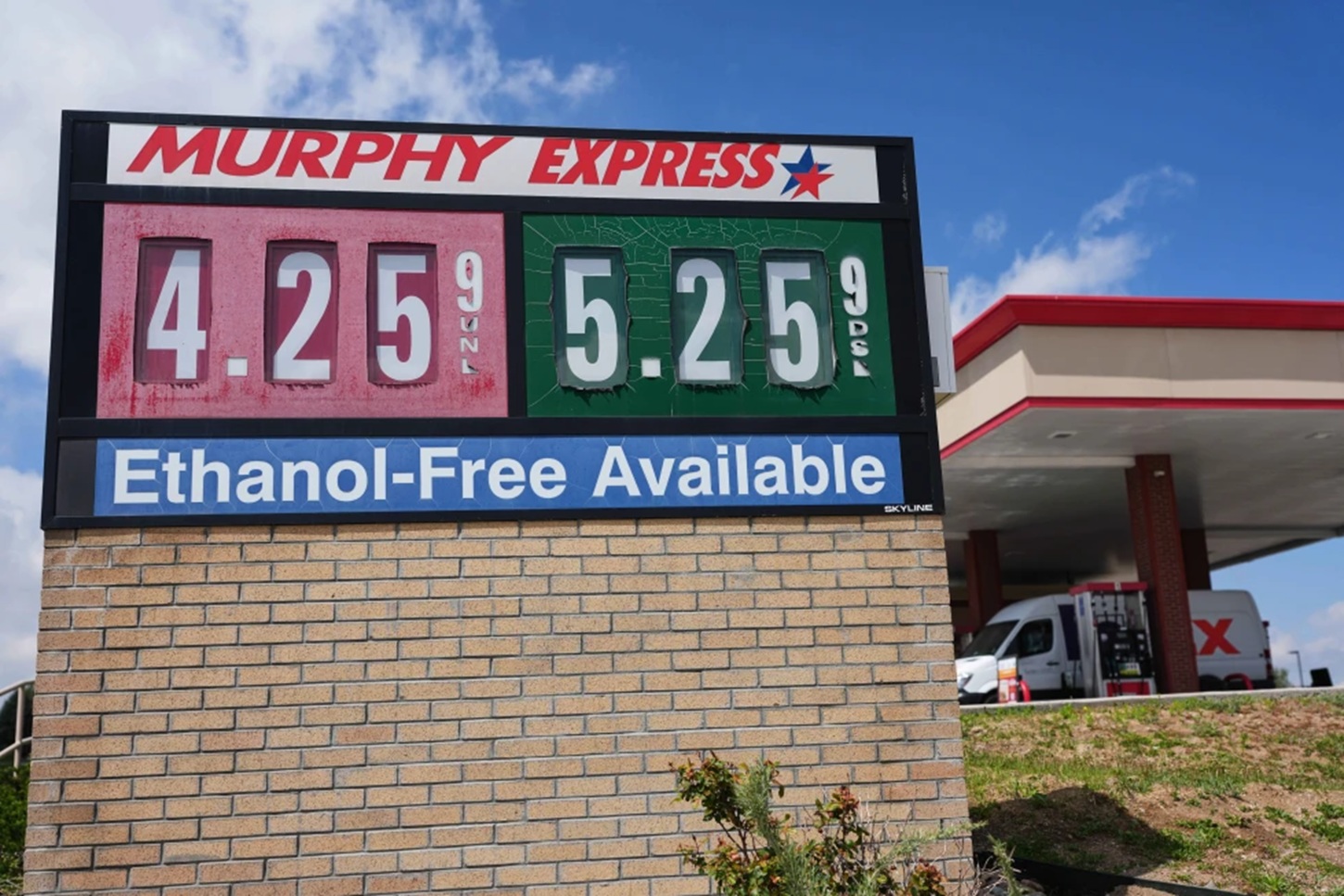
Soaring fuel prices are reshaping the city’s daily commutes—and altering calculations about where and how New Yorkers choose to work and live.
The average price of a gallon of gasoline in New York City has crept toward $4.50—a figure that would have been unthinkable only a couple of years ago, but now pins more than just wallets. For tens of thousands of New York’s working poor—many of them Latino—the cost of simply getting to work is no longer an afterthought but a daily accounting exercise. The average daily commute now drains $17.17 from one’s paycheck, calculates market researchers Gartner, and households are spending upwards of $343 a month on fuel alone.
Not since the oil shocks of the 1970s have rising petrol costs so visibly squeezed city life. The current jump, fueled by turmoil and threatened supply following the Iran conflict’s outbreak in late February 2026, marks the fastest monthly gasoline spike on record, according to GasBuddy. Across the nation, prices have leapt by over $1 per gallon since the fighting began. While New Yorkers grumble, California’s drivers must truly wince: there, per AAA, a gallon now averages $6.17, as of May 7th.
Yet for New York’s lower-income workers—those who clean, build, deliver, and transport—the rise strikes a well-worn sore spot. Transportation already accounts for a puny share of the disposable income of wealthier households. For working-class families, especially in the city’s outer boroughs and adjacent New Jersey towns, fuel has become an outsized monthly burden, muscling out other essentials from family budgets: groceries, rent, and even the coveted but elusive emergency fund.
The economic logic of working itself is coming under rethink. Caroline Walsh, vice-president at Gartner, warns that should petrol hit $5 a gallon, the annual commute cost for the average city worker would swell to $2,719—a 21% jump from pre-conflict levels. For some, net pay after these deductions bodes ill for employment itself; if salaries cannot keep up with the basic costs of showing up, it is little wonder some New Yorkers are questioning whether the job is worth the ride.
It is not merely a matter of gas. Gartner’s $17.17 daily figure bundles in the nuts and bolts (maintenance), the temporal tributes (tolls), and the privilege of parking. For those without the luxury of a fully operational subway line—or working hours that align with the MTA’s tepid off-peak service—the car is a necessity, not a lifestyle choice. Even the city’s slow revival of remote work cannot entirely shield service and construction workers, who rarely have the option of dialing in.
The pressures are already distorting the city’s labour landscape. According to reporting by CNN and survey data published in Fortune, workers are making tough trade-offs: some swap jobs for ones closer to home, others combine errands or carpools, and a growing proportion press employers for subsidies or at least one or two remote working days a week. Employers, perhaps mindful of retention risks amid a pinched labour market, are eyeing temporary stipends or transport bonuses to salve the pain.
A harbinger for American metros everywhere
New York is not alone. In sprawling Houston, Detroit and Atlanta, the raw geography makes matters worse: the service worker’s commute can easily stretch beyond an hour, meaning that inflation at the pump is double or triple insult. Los Angeles, with its notorious car culture, sits in similar straits: Latino and lower-income populations are especially bruised, allocating a sizeable share of income to keep their engines running. Nor is the problem strictly American. In Paris, London, and Berlin, population flows and rent inflation often force lower-wage earners to live at the fringes, reliant on transit or tankfuls of petrol, each swing in the global market filtering painfully down to weekly wages.
The political ramifications are liable to surface before long. In American cities, stubborn fuel prices become fodder for mayoral and gubernatorial campaigns, colouring debates about wage stagnation and public-transit funding. Some critics urge renewed investment in mass transit—a cause with perennial appeal in the Big Apple—while others propose insurance in the form of fuel rebates or transient tax cuts. A more hard-nosed response might be to renegotiate the structural inequities of urban planning, which for decades have forced the poorest workers to live the farthest from the jobs that need them most.
The city’s economic engine, too, may stutter if left unchecked. Higher commute costs could exacerbate labour shortages already afflicting the construction and hospitality trades, as some opt out or angle for gigs closer to home, sapping agility from industries struggling to regain their post-pandemic footing. For the city’s famed mosaic of mom-and-pop shops and immigrant-run enterprises, every dollar diverted to the gas pump is one less spent on goods and services, blunting the ripple effect that fuels neighbourhood prosperity.
While employers can and should offer mitigating schemes—a stipend here, a hybrid schedule there—it falls to policymakers to see beyond the immediate. The most durable solutions remain investment in reliable, affordable public transport and policies that undo the spatial mismatch between housing and jobs. The latest spike, like those of oil shocks past, should galvanise a push not just for short-term relief but for more resilient, less gasoline-dependent urban models.
If high fuel prices seem an intractable feature of the modern city, history counsels caution against defeatism. The outcry over the 1979 energy crisis reshaped New York’s transit power grid and prompted a modest densification of both jobs and housing. Today’s technologies—from electric vehicles to intelligent bus scheduling—are, if anything, more capacious. Political will and creative city management remain the scarcer commodities.
The pump’s pinch may seem ephemeral, but its effects will linger, particularly for low-income workers caught between stagnant wages and swelling bills. If New York is to remain a city for all, it cannot simply hope for oil prices to subside. Instead, it must rethink the geography of opportunity and access—lest the daily drive to work become a luxury only some can afford. ■
Based on reporting from El Diario NY; additional analysis and context by Borough Brief.