Gateway Tunnel Set to Restart as Federal Funds Flow—Pause Button Still Close at Hand
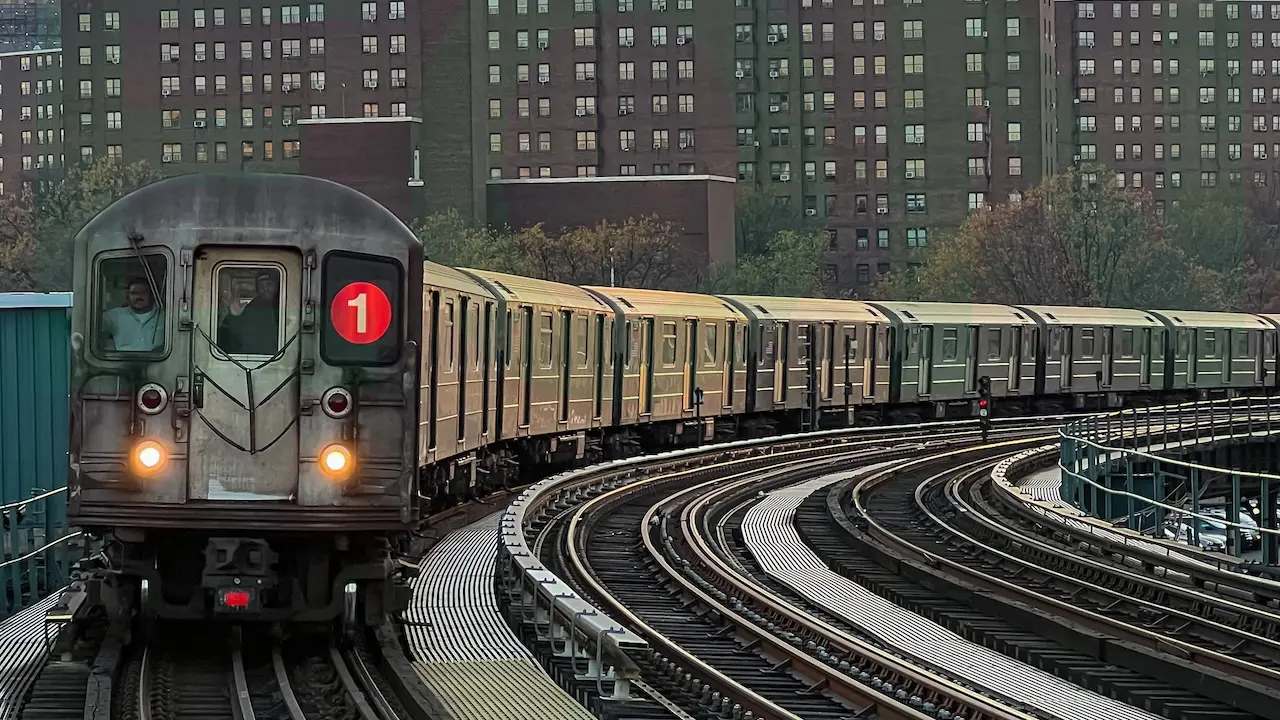
As political brinkmanship once again threatens New York’s most critical infrastructure, the future of the region’s mobility—and its economic vitality—hangs in the balance.
To New Yorkers of a certain stripe, the number $16 billion is fast acquiring the inevitability of death and taxes. That is the cost, in 2024 dollars, to replace the crumbling Hudson River rail tunnel with a modern link—a lifeline that daily ferries over 200,000 Amtrak and New Jersey Transit riders to Manhattan’s economic heart. When construction ground to a halt earlier this month, the cause was not quicksand or rusted steel, but rather politics: the federal government had, once again, frozen a crucial tranche of funding.
The Gateway tunnel, a signature infrastructure upgrade for the New York metropolitan region, now teeters on the cusp of revival after a spell of dispiriting uncertainty. Administrators at the Gateway Development Commission (GDC) announce that, should the remaining $98 million of a $205 million federal reimbursement arrive as expected by February 18th, the diggers and welders will set to work again next week. For now, though, the sounds of construction have been replaced by the sighs of 1,000 idled workers and the wary optimism of transit planners.
The interruption stemmed from the Trump administration’s decision last autumn to withhold previously committed funds—ostensibly over new federal rules about race- and gender-neutral contracting. GDC says it has now received $107 million of the frozen funds in two disbursements. New York and New Jersey, seldom in agreement even on the virtues of bagels, were unified in promptly suing the federal government to unfreeze the funds. Last week’s decision by a federal judge to direct the release marked a rare point of bipartisan satisfaction in a season already crowded with lawsuits and pointed tweets.
Repairing and duplicating the Hudson tunnels is more than an exercise in brandishing shovels. The twin bores are over a century old, and recent flooding (including the aftereffects of Hurricane Sandy) has underscored their fragility. When completed, sometime in 2035 if planners can be believed, the new tubes will allow a full rehabilitation of the antique passageways, staunching the chronic delays that bedevil not only Monday morning commuters but the region’s broader productivity.
For New Yorkers and their New Jersey neighbors, the stakes are anything but trivial. The two-track Hudson tubes account for roughly 20% of the region’s workforce movement each day. With construction frozen, the project’s risk profile rose swiftly: lost jobs, delayed commutes, and the specter of catastrophic failure should either tunnel segment falter before its replacement is ready. The sight of a thousand laid-off union members was as much an economic signal as a human one, ricocheting through supply chains from steel fabricators in Jersey City to lunch counters on 34th Street.
As New York Governor Kathy Hochul dryly noted, “It should not come to us having to spend taxpayer dollars on litigation literally every day of the week to stop things that make no sense for our economy.” Her conversation with President Trump drew attention to the increasingly episodic nature of infrastructure funding. Politicians on both shores of the Hudson seem to agree: American cities ought to be able to count on predictable investment without the constant spectre of legal brinkmanship or executive ephemera.
The second-order consequences linger beyond suspended paychecks. The Gateway’s stop-start financing bodes ill for other projects, chilling contractor confidence and raising borrowing costs. The uncertainty seeps into real estate markets—a transit-constrained Manhattan is hard to square with a buoyant office sector. Nor is the potential for midstream cost overruns paltry, as every interruption tends to breed inefficiency and administrative bloat, much to local taxpayers’ chagrin.
Tunnel vision, nationwide
National observers could be forgiven for a sense of déjà vu. The United States’ lurching approach to infrastructure persists in nearly every region that matters—whether in California’s high-speed rail morass or Boston’s punctilious subway upgrades. Federal prevarication, opaque compliance mandates, and political posturing remain the rule rather than the exception. America invests barely 1.5% of GDP in public works, puny by global standards; France, Germany, and even Canada invest proportionally more and reap smoother outcomes.
For New York, the Gateway saga has become a cautionary tale. European peers complete far more ambitious tunnels—in less time and often at half the cost per mile. Meanwhile, American projects must navigate not only the bedrock of the Hudson Palisades but also the even denser strata of federal-state politics, legal skirmishes, and the social engineering urge of regulators.
We reckon that without a more rational system for allocating and protecting infrastructure funds, the region will see more than just delays. A healthy skepticism toward the steely optimism of planners is warranted: each funding freeze and legal wrangle erodes public trust, foreshadows job instability, and increases the likelihood that the next crisis—whether hurricane, accident, or plain old decay—will catch the city unawares and ill-prepared.
Yet reasons for optimism, however dry, do persist. The judicial push for resuming payments suggests institutional resilience. The development commission’s nimbleness in planning a restart with contractors reflects a capacity, if not always a proclivity, for operational improvisation. And the strong bipartisan outcry, rare in present-day Manhattan, means that local political incentives at least align with the city’s long-term interests—for now.
The Gateway tunnel will not solve every problem afflicting New York’s creaking infrastructure, but it remains the city’s most potent insurance policy against stagnation. If the project can navigate the shifting sands of federal priorities and state litigation, it will underpin the region’s economic buoyancy for decades to come. When those tunnel-boring machines start again—later than planned but perhaps not fatally so—New York may yet tunnel itself out of this cycle of uncertainty. ■
Based on reporting from Section Page News - Crain's New York Business; additional analysis and context by Borough Brief.