Gracie Mansion Protest Sees Homemade Devices, Mamdani Calls For Calm Over Fanaticism
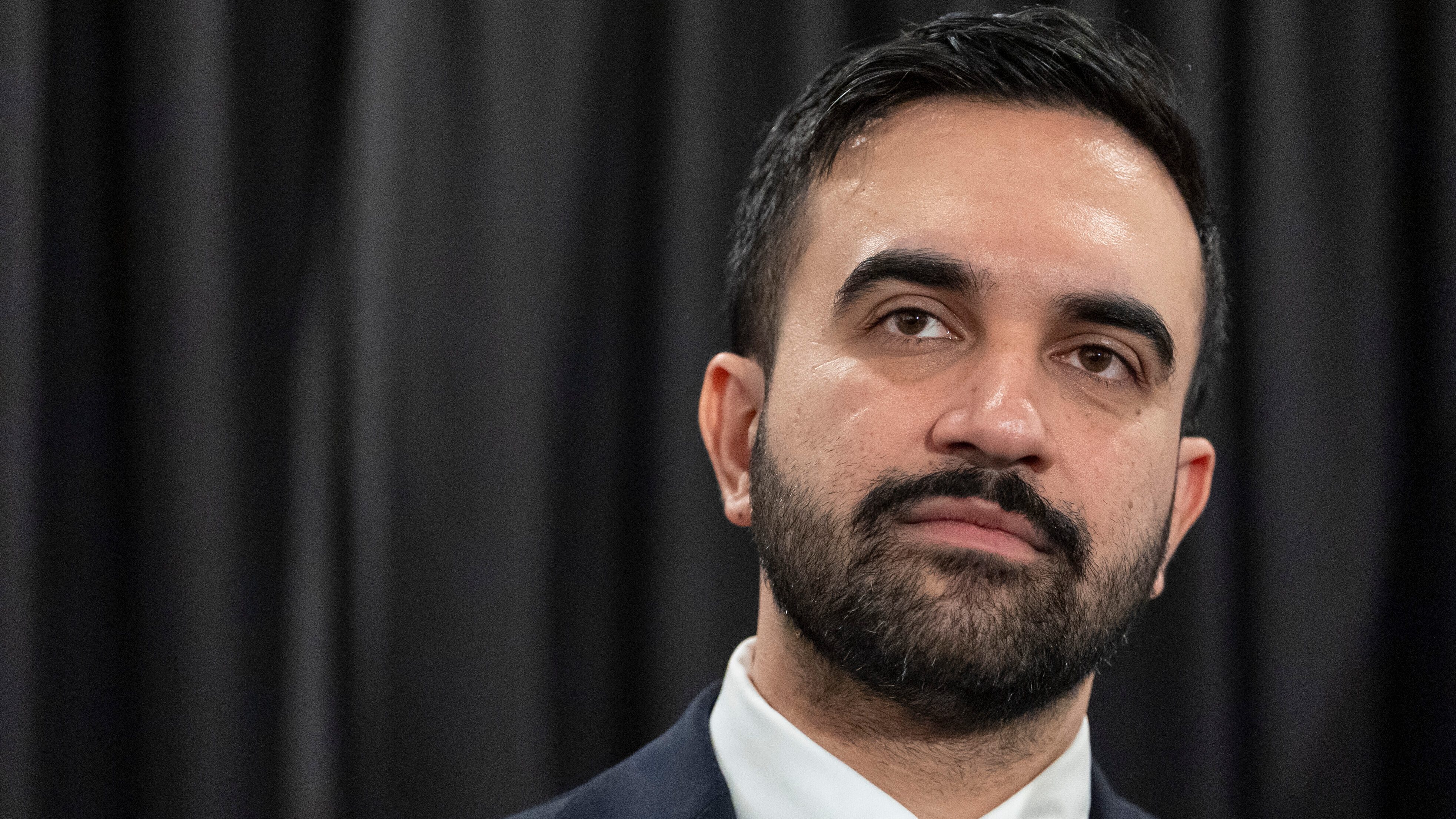
An attempted attack on New York’s first Muslim mayor exposes the city’s fragile social harmony and tests the resilience of its civic values.
On a searing March afternoon, panic rippled through Manhattan’s Upper East Side as police in tactical gear descended on Gracie Mansion, the stately official residence of the city’s mayor. Sirens mingled with the shouts of demonstrators and the nervous murmurs of onlookers. It was not a bomb, the New York Police Department would later assure a jittery city, but the intent seemed clear enough.
On the previous day, a tense stand-off unfolded at the gates of Gracie Mansion during a protest organized by the far-right provocateur Jake Lang. The protest, laced with vehement anti-Muslim sentiment, was timed to coincide with Ramadan and attracted a group of counter-demonstrators supporting New York’s Muslim minority. As tempers flared, two improvised devices—one bearing a fizzing fuse, the other taped with a haphazard menace—were tossed in the mayoral direction. Swift action by police prevented injury, but not consternation.
Zohran Mamdani, who less than three months ago became New York’s first Muslim mayor, wasted no words in his condemnation. He called it “reprehensible” and “an attack on the values of the city,” noting pointedly the intersection of bigotry and violence. “This type of hatred has no place in New York. It is an affront to our unity,” he declared within hours of the incident, careful to praise police for “running toward danger without hesitation.”
The facts of the case, while unsettling, could have been far worse. Initial reports breathlessly spoke of “nail bombs,” that American staple of low-tech terror; a subsequent investigation revealed only crude smoke devices. Yet the symbolism, especially during a religious holiday sacred to millions worldwide, was hardly lost on New Yorkers. Six arrests have so far been made, with two individuals accused of direct involvement.
The episode is an unwelcome reminder of the city’s simmering tensions. Successive waves of immigrants have made New York a byword for pluralism, but the present moment is fraught: post-pandemic anxieties, international conflicts, and a raucous presidential election set a fractious backdrop. For many, a direct assault on Gracie Mansion—New York’s figurative hearth—bodes ill for the city’s social contract.
Economically, the incident is more flashing light than car crash. New York’s reputation as a paragon of tolerance weighs in boardroom decisions as much as police response times do. “Quality of life” may be a nebulous phrase to economists, but to employers and property investors, it can spell the difference between a buoyant market and a slow exodus. Security costs and legal proceedings will be paltry compared to the intangible price of fear; history shows even brief spasms of communal violence can linger in collective memory and dampen future investment.
Politically, the effect is more ambiguous. For Mayor Mamdani, whose tenure has been defined by both advocacy for Muslim New Yorkers and pointed critiques of American foreign policy, the incident is a double-edged sword. He is forced both to defend his community and to project unwavering authority. His swift thanks to the NYPD, and measured denunciation of “fanaticism,” signals an attempt to thread this needle—although critics will be quick to claim he cannot please all camps.
The risks to New York’s famously fractious body politic are real. The city’s tradition of protest—raucous, multiracial, and sometimes unruly—now plays out in a climate primed by global turmoil. Ramifications are not contained to Washington or Tehran: Gracie Mansion’s vulnerability invites scrutiny not just from local police, but also from federal agencies wary of lone-wolf attacks and copycat demonstrations. The robust, if occasionally heavy-handed, NYPD response seems justified—though civil libertarians will fret about encroaching surveillance and the broader erosion of public trust.
Shadows far beyond the East River
America is hardly alone in this. Last year, London’s Sadiq Khan, also a Muslim mayor, endured a similar, if less explosive, provocation by the far right. Paris and Berlin, citadels of European multiculturalism, have repeatedly faced their own spasms of anti-minority agitation. Yet America, with its fraught relationship between free speech and hate, is uniquely prone to such combustible moments. The patchwork legal framework—balancing First Amendment rights with public safety—means that ostentatiously racist demonstrations are not easily disbanded. New Yorkers, like their counterparts in Los Angeles or Chicago, are left to navigate the uneasy terrain between vigilance and paranoia. So far, federal hate-crime statutes and local ordinances have done little to deter the more performative elements of the far-right.
That this unpleasant cocktail has spilled into local governance is a sign of the times. Recent Pew surveys suggest trust in municipal institutions is flagging; more Americans say they worry about threats to democracy at the local level than at any point since 1968. This is perhaps why the response—swift police action, prompt public communication, and an insistence on “unity”—is both necessary and insufficient. Cynics may suspect political theatre; optimists, a sign that New York’s immune system remains in working order.
For the rest of the country, there are lessons. While New Yorkers may bristle at national lectures on civics, the city still serves as a bellwether for how pluralism can be stressed—and, one hopes, preserved. The attack on Mayor Mamdani is best seen not as a harbinger of collapse, but as a test of the city’s institutional mettle. The quick, measured response from all quarters gives reason for restrained confidence.
Yet, as ever, vigilance is warranted. The instigators may face courtroom sanction, but the deeper currents—of alienation, political opportunism, and the performative extremism that flourishes online—require a more patient, hands-on remedy. New York’s leaders will need to both uphold civil liberties and tamp down the embers of communal strife, a juggling act at which the city has sometimes excelled, and occasionally failed.
If there is solace, it is that New York’s story is not yet one of defeat. The city, battered but rarely cowed, tends to convert its bruises into lessons and, at times, reforms. Whether this incident will serve as a deterrent or simply a dark footnote is an open question—but for now, its civic immune response holds.
■
Based on reporting from El Diario NY; additional analysis and context by Borough Brief.