Harris Opposes Trump’s Iran War Aim After US-Israel Strikes Leave Jamenei Dead
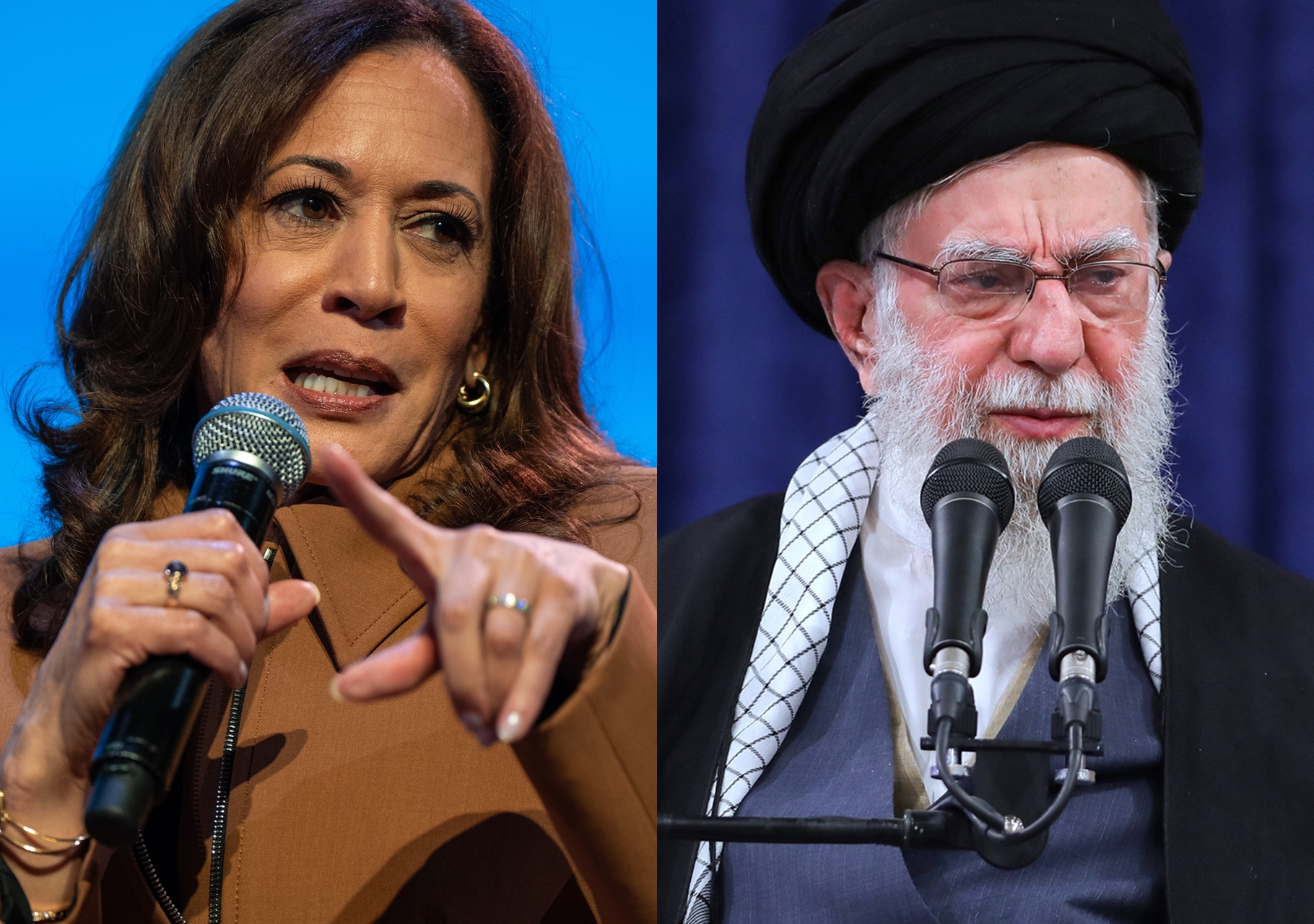
Amid escalated U.S.-Israeli strikes on Iran, Kamala Harris’s sharp rebuke highlights wariness toward regime-change adventurism—an anxiety keenly felt on the streets of New York.
At 3 a.m. in New York, when most denizens of the five boroughs are safely ensconced in slumber, bursts of push-notifications roused thousands: Iran’s Supreme Leader, Ali Khamenei, had perished under joint American and Israeli bombardment. Within hours, Kamala Harris, the former vice-president, went on record castigating Donald Trump’s administration for what she termed a “war for regime change.” The naked assertion—that American forces are once again imperiled by hawkish ambitions in the Middle East—sounded less like electioneering than an old, familiar clarion for New Yorkers whose city, still marked by the scars of 9/11, knows all too well the costs of foreign adventure gone awry.
The overnight action, notable for its audacity and swiftness, saw U.S. and Israeli missiles rain upon Tehran, Tabriz, and Isfahan, dealing staggering casualties upwards of 200 dead, among them Khamenei’s close kin. Iran retaliated in turn, launching a fusillade of missiles at Israel and American installations across the region. President Trump, never shy of theatre, declared the operation’s ultimate aim was the toppling of Iran’s regime—a declaration few diplomatically inclined observers welcomed.
Amidst this, Ms. Harris staked out her ground, accusing the administration of ignoring constitutional prerogatives. She chided, “Donald Trump is dragging the United States into a war the American people do not want,” and invoked the need for Congressional authorization before any formal act of war. Her stance promptly echoed through New York’s corridors of power, where legislators—Democratic and Republican, alike—scrambled for briefings, many chagrined that the White House had left them in the dark.
For New York City, the implications are uncomfortably tangible. The city is home to over 200,000 residents of Iranian, Israeli, and broader Middle Eastern heritage. Synagogues and mosques bolted their doors tighter; Yeshivas and Islamic centres enhanced their patrols; the NYPD’s counterterrorism unit ratcheted up threat assessments, and commuters eyed each other warily on the 4 train. The ghosts of previous conflicts—whether Operation Desert Storm, the Iraq debacle, or post-9/11 surveillance excesses—stir anew whenever faraway battles bleed onto local streets.
More concretely, a new overseas conflagration bodes poorly for the city’s delicate economic mood. Not only is New York a magnet for international capital, but it also houses thousands of Persian-owned small businesses and hosts diaspora activists who might now face renewed federal suspicion. Global equity markets, New York’s own among them, greeted the overnight news with unease; energy prices ticked upward, and Wall Street took anxious note of the risks of prolonged disruption to Middle Eastern oil. The reservoirs of public trust—frayed as ever—scarcely seem primed for another “forever war”.
Political ramifications, too, are outsized in Gotham. The Trump administration’s brusque, Congress-light approach revives latent anger among New Yorkers who still recall 2003; the mere scent of “preemptive” war produces noxious whiffs of past blunders. For Democrats, especially those with high-profile Iranian or Jewish constituents, the pressure to find a defensible middle ground—resolute without being reckless—will be considerable. The city’s deep blue electorate may prove unforgiving of any whiff of adventurism, and Mayor Eric Adams’s team may soon find itself explaining to both moderate and progressive constituents how local security and civil liberties can be balanced.
Yet the secondary impacts of America’s Iranian gambit stretch beyond the Hudson. At a time when the city is still retrenching from pandemic aftershocks, yawning deficits, and spikes in hate crimes, another overseas campaign risks inflaming nativist sentiment. History shows that US military involvement in the Middle East tends to reverberate on New York streets: from targeted immigration enforcement to the familiar drumbeat of “othering” anyone who happens to look or worship differently.
Global echoes, local tremors
The Big Apple is hardly alone in its trepidation. Across major American cities with substantial Iranian, Jewish, and Muslim communities, nerves are jangled. Canada, for its part, swiftly signalled support for U.S. and Israeli actions, while doubled-down on Israel’s right to self-defense. Yet European allies, burned by the Afghanistan and Iraq debacles, responded with the diplomatic equivalent of a raised eyebrow. Efforts to resuscitate the nuclear deal with Tehran—long a hope among more dovish states—now look limp, if not altogether defunct.
Compared with prior episodes, this latest conflict feels both more sudden and more potentially destabilizing. Recollections of the deaths of Iran’s General Qassem Soleimani and Iraq’s Saddam Hussein hint at the perils of “decapitation” strategies. Indeed, Iran’s announcement of forty days of official national mourning, and calls for “unity and cohesion,” portend a transition period neither smooth nor predictable. New York, as a global city, will not be immune to the aftershocks.
For all the muscular talk emanating from Mar-a-Lago, we reckon that the administration’s gamble verges on reckless. The costs—and not just those measured in blood or treasure—could prove enduringly steep for both the United States and the multicultural patchwork that is New York. History does not suggest that regime-change adventures in the Middle East yield quick, clean, or democratic results. A touch more restraint—and no small measure of transparency—remain sorely needed.
For now, anxieties in New York’s Iranian and Jewish enclaves are matched only by those in City Hall and on trading floors. The spectre of another cycle of war, reprisal, and security clampdowns looms, casting a pall over what is already a city on edge. We maintain a healthy skepticism toward the easy reassurances of those in power: New Yorkers, perhaps more than most, know how such stories often end.
■
Based on reporting from El Diario NY; additional analysis and context by Borough Brief.