Hit-And-Run Collisions Reach Record Highs in New York, Responsibility Remains Elusive
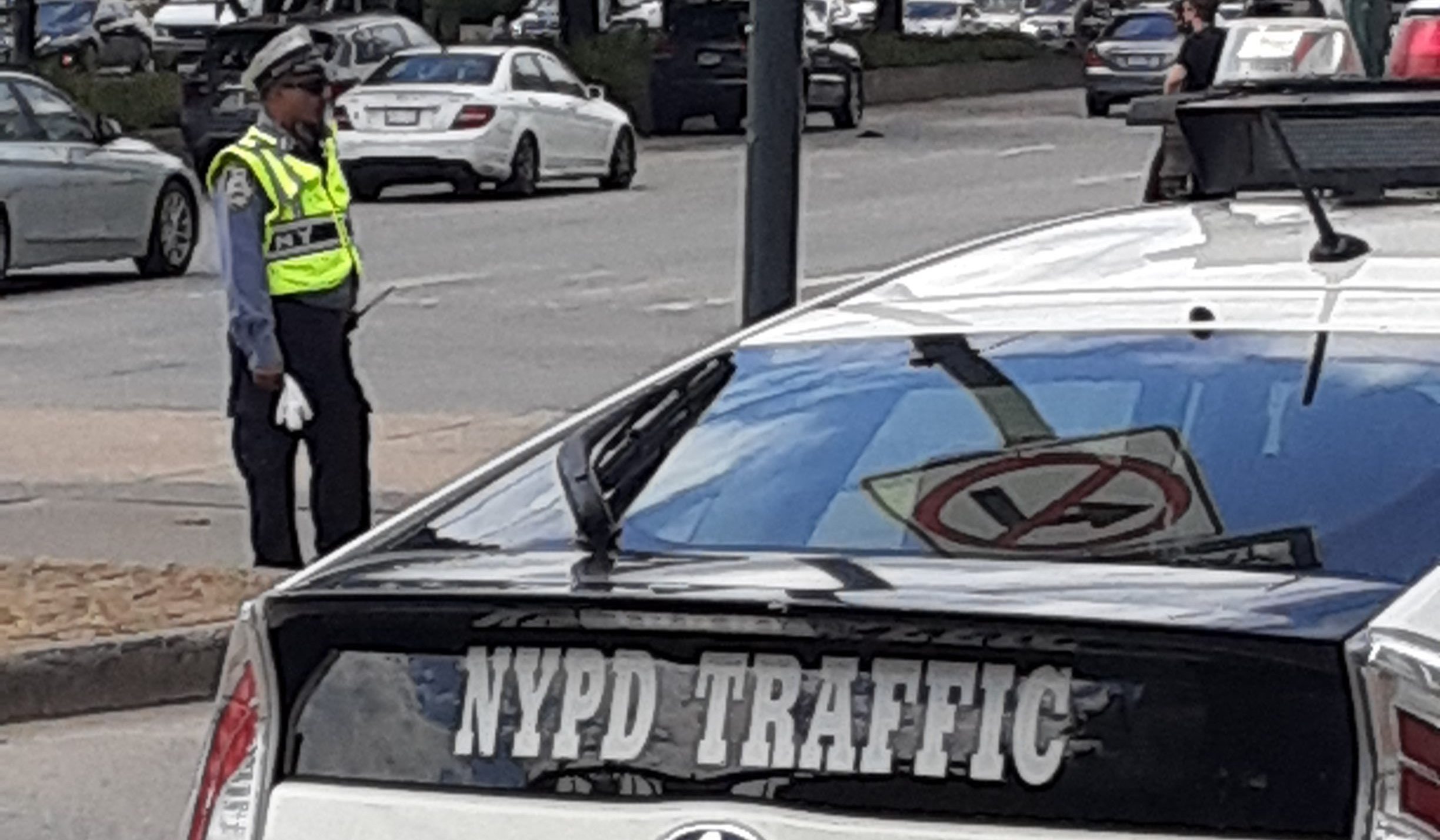
Rising hit-and-run incidents on New York streets expose alarming vulnerabilities for pedestrians, workers, and the integrity of urban justice.
In 2023, America’s roadways saw a record-breaking surge: more than 919,000 police-reported collisions involved a hit-and-run driver, according to sobering new research from the AAA Foundation for Traffic Safety. The nation’s 242,000 injuries and 2,872 deaths attributed to such incidents throw into sharp relief both a surge in lawlessness and a crisis of compassion on the asphalt arteries of cities like New York. That 15% of all reported crashes—in a year fraught with pandemic hangovers and a motley of mobility trends—featured a fleeing motorist merits unmistakable concern.
The study, aggregated from national and regional data, delivers a jolting portrait of the risks faced by urbane New Yorkers and their suburban neighbours alike. The conduct it documents is not merely a footnote to the city’s transport woes, but a mounting hazard for its most vulnerable citizens: nearly 1 in 4 slain pedestrians or cyclists fell to a hit-and-run driver, while at least 6 out of every 15 on-duty road workers killed in 2023 were likewise left behind in the darkness, abandoned as their assailants sped away.
Recent local headlines fortify the bleak statistics. This week, a woman of 58 was struck fatally by a driver who fled the scene in Queens. In another heart-rending case, a four-year-old child was killed outside his Brooklyn home in a similar episode of vehicular cowardice. These stories are no longer aberrations—they define, in part, the everyday peril of New York’s streets.
First-order implications for New York City are as much operational as they are moral. NYPD officers note that over 8% of all regional traffic fatalities in New York and neighbouring Connecticut from 2017 to 2023 involved a hit-and-run; in New Jersey, the figure ticks up to 8.5%. It is, in effect, the statistical tip of an iceberg—many nonfatal collisions, never reported, never tallied, slip through the city’s patchwork of oversight.
The human cost, too, weighs heavily. By fleeing, drivers not only skirt legal responsibility but also starve victims of timely medical care. Demographically, data show that most perpetrators are young men, often without valid licenses (40%) and—more strikingly—in vehicles lacking proper registration. That these crashes typically occur within a stone’s throw of the perpetrators’ own homes is an irony not lost on either police or policymakers.
Second-order effects ramify well beyond each crash scene. The evident uptick in hit-and-run behaviour portends an erosion of faith in the city’s legal apparatus and public order. For the wider economy, the mounting toll translates into ballooning hospital bills, increased insurance premiums, and frayed municipal budgets—public health costs that are as diffuse as they are unavoidable.
The societal toll creeps higher in harder-to-measure ways: urban dwellers grow wary, walking or cycling less, even as policymakers continue to laud “Vision Zero” targets. For traffic justice advocates, the proliferation of hit-and-runs mocks efforts to encourage alternative transportation or foster communal trust on city streets. Each unsolved case chisels at New Yorkers’ collective expectation of accountability—a foundational, if increasingly elusive, urban glue.
Neither is this trend a phenomenon isolated to Gotham or its tristate satellites. Nationally, the AAA’s findings place the United States at the leading edge of an unwelcome trend; raw numbers dwarf those seen in comparably developed countries. Many European jurisdictions, for example, combine more rigorous enforcement with cultural norms less tolerant of abandonment, yielding markedly smaller proportions of such crimes.
Still, flashes of progress glimmer among the gloom. The AAA study identifies practical measures with proven efficacy: automated incident notifications via smartphones or telemetry, better road engineering (especially for cyclists and pedestrians), vigorous law enforcement, and public information campaigns. New York’s municipal authorities have begun to invest more seriously in intersection cameras and “yellow alert” systems, which broadcast details of fleeing vehicles and solicit citizen tips. There is growing evidence such eyes—and the credible threat of capture—serve as a deterrent to potential runners.
A question of enforcement and conscience
Yet implementation remains patchy. As with so many urban maladies, success depends on the alignment of incentives, the promptness of official response, and the cultural context. Announcements of new crackdowns or camera initiatives are well and good, but rarely address the thornier subjects of unlicensed or unregistered vehicles, which populate many outer-borough neighbourhoods. Nor can a city legislate a social contract overnight: the decision to flee is born of both immediate panic and a longer-term corrosion of civic duty.
Some, like Maria Vargas Pion, AAA Northeast’s principal spokesperson, argue that visible consequences and swift apprehension hold the greatest promise. Empirical research concurs—drivers will weigh their odds of capture, and if technology tips the calculus towards certainty, deterrence grows. However, funding such infrastructure, and equitably deploying it, presents its own political and logistical hurdles.
What then should be expected of city and state? It would be naive to imagine the hit-and-run crisis yielding quickly to any panacea. Targeted education, stricter penalties, and road-user protections must be welded together, not just into new laws but into everyday expectations of behaviour. The lesson from higher-performing regions is that combining diligence with credible enforcement bodes best.
There is room for a touch of optimism, albeit laced with urban realism. Progress will not be linear or universally popular; privacy advocates, motorists’ lobbies, and civil libertarians will each protest various solutions. Nonetheless, a city long defined by its density and its public spaces must reckon with the prospect that its streets have grown more Darwinian than ever.
New Yorkers are nothing if not pragmatic. The question is whether their government can be equally unsentimental in pursuing data-driven, scalable reforms. Inaction, after all, ensures that more families will mourn loved ones lost needlessly, and the fraying trust in public justice will worsen.
To tame the epidemic of flight from responsibility, New York will require not just cameras or campaigns, but resilience—in its institutions, and in its values. In the contest between panic and principle, the city’s future safety depends on narrowing the space for cowardice. ■
Based on reporting from El Diario NY; additional analysis and context by Borough Brief.