Hochul Pledges 2nd Avenue Subway to Harlem, Jamaica Station Revamp, Promises Real This Time
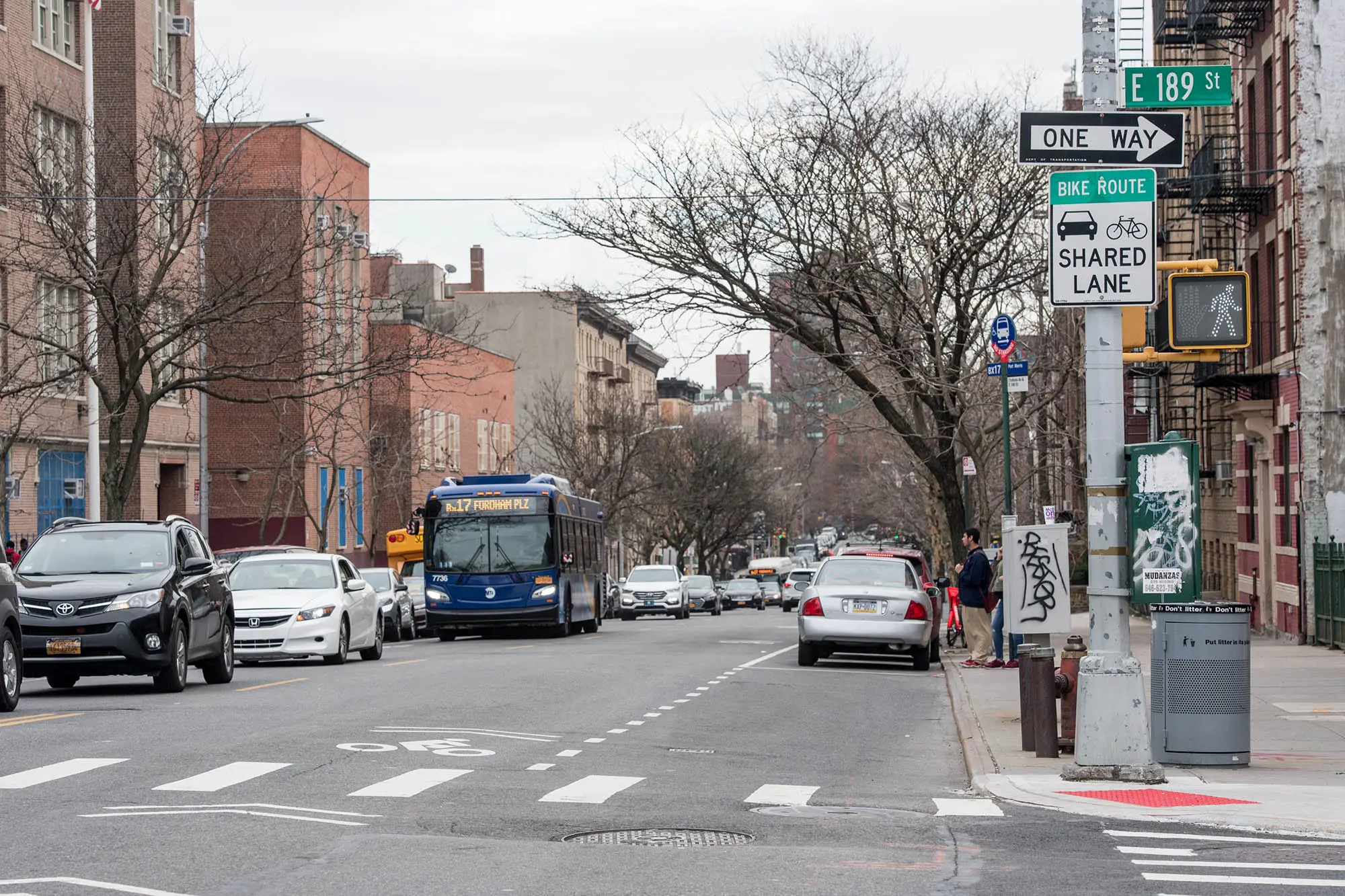
Major transit expansions in Manhattan and Queens signal cautious progress for New Yorkers amid perennial infrastructure woes.
It is a truth universally acknowledged in New York that any extension of the Second Avenue Subway is fated to languish in PowerPoint or dust-choked boardrooms long before a single shovel pierces ground. So, when Governor Kathy Hochul brandished blueprints—rather than mere aspirations—for Phase II of the tortuously delayed line during her State of the State address on January 9th, weary subway riders registered both surprise and skepticism. Coupled with plans to refurbish Queens’s bedraggled Jamaica Station, the governor’s ambitions, if realised, could nudge the city’s infrastructural chronicle from stagnation to modest renewal.
In plain terms, the proposal calls for the Q train to trundle north, traversing 125th Street and halting at three new stations—Lenox Avenue, St. Nicholas Avenue, and Broadway. This $1.9bn initiative, recently sanctioned by the Metropolitan Transportation Authority’s board, includes both a new tunnel and a future station at 116th Street. According to Hochul, 240,000 daily straphangers stand to benefit from the 2.4-mile extension, which promises interconnections with seven other subway lines. The official forecast: less gridlock, fewer convoluted detours, and a projected savings of “hundreds of millions” in future costs.
Revitalising Jamaica Station in Queens, meanwhile, finally makes good on decades of political hand-waving. With $50m earmarked for preliminary design, the station overhaul aims to soothe the frazzled nerves of Long Island Rail Road commuters, subway riders bound for E, J, and Z lines, and international travelers en route to JFK. The last meaningful redesign dates back a generation; today, an endless bottleneck at its bottlenecked exits and platforms greets half a million daily passengers. Hochul’s promise: “No more mad dashes to working escalators.”
For New York City itself, the implications are not merely logistical. Upgrading the east side’s transit grid stands to bring economic uplift to East Harlem and Harlem proper—neighbourhoods too long marooned by subpar subway access. The extended Q will slash travel times, offer an overdue lifeline for job- and school-bound locals, and bring a whiff of parity to a borough infamous for its lopsided rail coverage. On the Queens side, Jamaica’s modernisation could relieve punishing crowding and foster smoother access for visitors and commuters alike.
But second-order effects loom just as large. Improved frequency and reliability, heretofore in puny supply, could stimulate commerce in corridors starved of footfall. That may help resuscitate street-level economies, propping up shopkeepers battered by an anemic post-pandemic recovery. Better connections also bode well for property values—a salutary but double-edged sword, potentially inflaming local fears of gentrification. Still, the social dividend is clear: expanded mobility offers New Yorkers better odds of securing jobs—or seeking care—beyond the narrow borders of their districts.
There are other spillovers, too. New York’s creaking transit arteries threaten regional competitiveness, especially as rival cities—London, Paris, even Los Angeles—plough ahead with their own upgrades. Hochul’s plan risks being swallowed by the city’s notorious over-runs and cost blowouts, but at the very least, it signals to business owners, workers, and the global talent pool that New York, for all its sclerotic politics, means to remain investable. The $77m reserved for boosted subway patrols, more mental health outreach teams, and platform barriers in 85 more stations—an answer to the city’s ongoing safety anxieties—bring a pinch of modernisation as well.
Tunnel vision, indeed, has been both New Yorkers’ curse and refrain. The saga of the Second Avenue Subway dates back to the Coolidge administration; most locals regarded its ultimate completion as fantastical as a unicorn paddling the East River. Hochul’s attempt to restart the engine may barely register, next to the epic investments made by, say, Beijing or Singapore—where whole networks materialise in the time it takes this city to commission a fresh batch of consultants. Even so, the MTA’s adoption of a $1.9bn contract hints at a more serious timetable: digging to commence in 2027, with trains rolling through by 2032.
A nation of endless delays
Elsewhere in the United States, metropolitan rail dreams are every bit as vaporous. Los Angeles’s newest lines limp along with tepid ridership; Boston’s perennial Green Line “extension” is legendary for its viscous pace and ballooning costs. At $2.6bn per mile, New York’s Second Avenue build remains the most expensive subway project on the planet, raising half-hearted cheers when overlords announce any sign of progress at all.
Even after the tarmac is ripped and platforms poured, further vigilance will be needed. Extending police patrols addresses legitimate worries about crime, while new platform barriers answer calls for rider safety (if at daunting expense). Yet history tempers optimism: the first phase of the Second Avenue line opened forty years behind schedule. Local politicians eye ribbon-cuttings, but New Yorkers by and large remain unmoved until the pay-off materialises in the form of actual trains.
The risk, too, of overpromising without political and fiscal follow-through is considerable. The city’s $600bn economy depends each day on the subterranean ballet of trains and buses—yet the MTA lumbers under perennial shortfalls and faces the prospect of shrinking ridership in an era of hybrid work. A 10% drop in weekday metro journeys since 2019 portends a slow-burn fiscal headache that only bold, perhaps unpopular, reforms can redress.
New York’s transit system, for all its romantic grime and grandeur, sits at a crossroads. Without serious renewal, the city’s much-vaunted ambition—proximity, diversity, dynamism—could ossify into nostalgia. London, after all, finished its glitzy Elizabeth Line for less per mile than the Second Avenue subway demands, raising uncomfortable questions about American procurement, oversight, and value for money.
Yet we remain, at least for now, skeptically optimistic. The proposed expansions, while puny by global yardsticks, still represent real victories for local riders. If political will endures and execution sidesteps past blunders, the interventions could—just possibly—nudge New York’s transit ecosystem onto surer footing. Such momentum will be essential, if the city is to reclaim its reputation as the world’s pre-eminent urban laboratory rather than its most magnificent cautionary tale. ■
Based on reporting from NYC Headlines | Spectrum News NY1; additional analysis and context by Borough Brief.