Hochul Slows New York’s Clean Energy Targets as Oil Spikes, Critics Say Risks Outweigh Savings
New York’s struggle to balance its climate ambitions and energy realism may set the tone for America’s future decarbonisation efforts.
Few things draw the ire of New Yorkers like a sudden rise in gasoline prices. Pull into almost any filling station this week and prepare to be gouged: the average price per gallon across the state has crept up to $3.95, matching a national jump to $4.02, according to Gothamist. That is a 32% increase over last month, a jolt tied both to tremors in global oil markets—thanks to renewed strife in the Middle East—and to the region’s own muddled energy transition.
New York’s latest economic headache comes at a time of political recalibration. Faced with voter anxiety and ballooning bills, Governor Kathy Hochul has announced a pause—some say a climbdown—in the state’s ambitious energy transition. Citing the costly and “less reliable” nature of renewables in the near term, her administration has proposed to delay legally mandated deadlines for switching entirely to clean power sources.
Under New York’s once-trumpeted 2019 climate law, the state was to generate 70% of its electricity from renewables by 2030. This target has proven slippery: more than three years after the law’s passage, progress still lags, with wind and solar deployments hamstrung by protracted permitting, NIMBY resistance, and persistent funding gaps. Hochul’s plan now contemplates pushing back those goals by a decade—a move that has kindled more exasperation than hope among environmentalists.
To some, the governor’s course-correction might seem prudent. Fossil-fuel prices are volatile, and grid reliability remains a New York shibboleth—blackouts spell political ruin. Yet, a chorus of experts and advocates points to the longer-term risks of delay. The Institute for Energy Economics and Financial Analysis, a nonpartisan think-tank, warns that overreliance on global oil (and gas) markets only bakes future peril into New York’s energy bill.
The economic perils are far from hypothetical. A confidential state memo, unearthed by journalists, found that holding to the 2019 climate law’s timetable could add over $2 per gallon to gasoline prices after 2030—evidence marshalled by those favouring caution. But, say critics, these math-heavy projections fail to credit the real insulation that renewables provide from future oil shocks. “You don’t pay for the sun or the wind,” notes Jessica Azulay of the Alliance for a Green Economy. Once installed, renewables boast singularly low operating costs—over time, it is fossil-fuel reliance, not wind turbines, that empties wallets during geopolitical squalls.
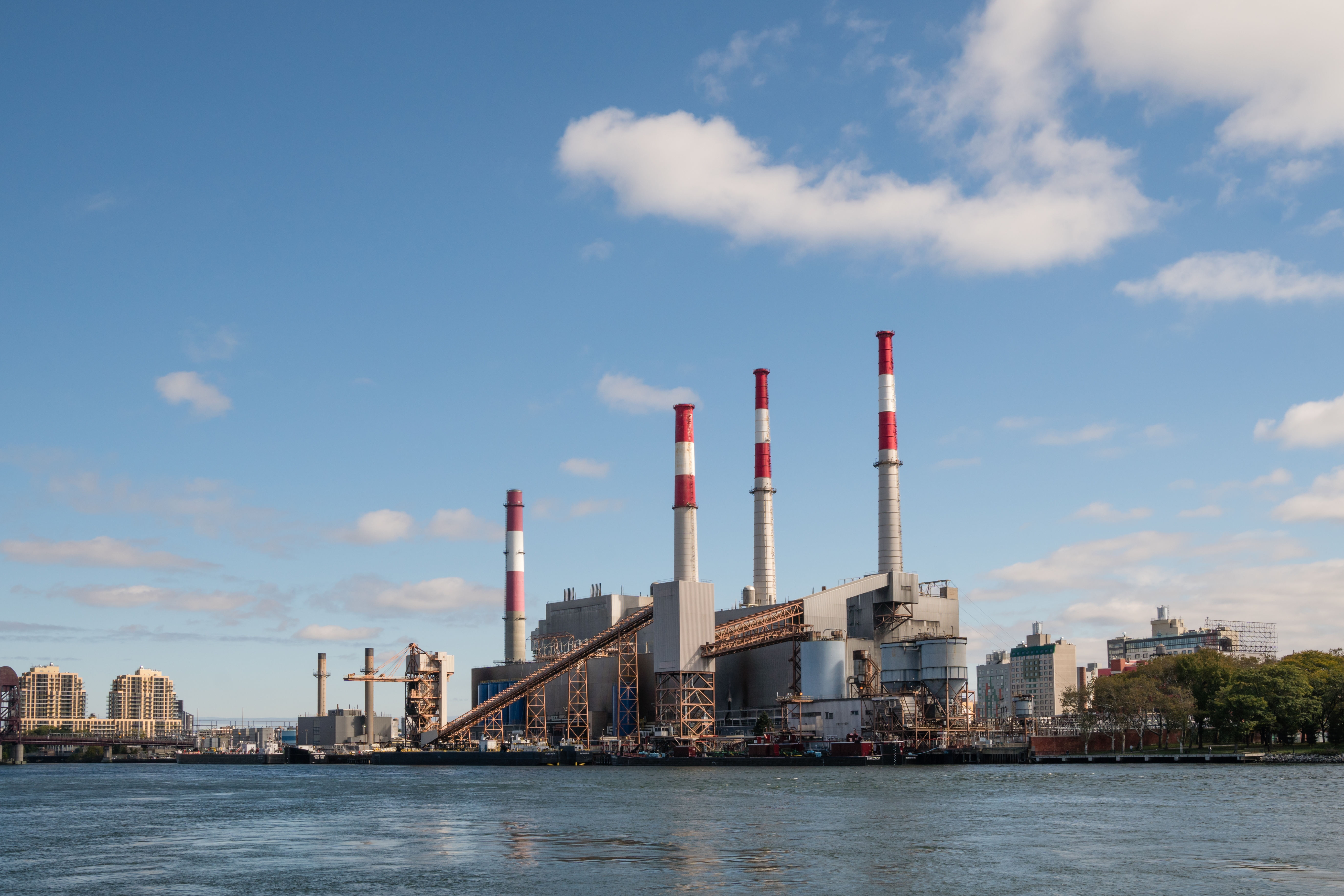
In fairness, New York did not get here by accident. The city’s ravenous appetite for electricity—a profile more characteristic of a small country than a single metropolis—relies in part on aging fossil-fuel plants, such as Ravenswood in Queens. Built to serve a rapidly industrialising city, many are now relics from a carbon-bloated age. Renewable infrastructure, in contrast, has not kept pace. The state lags wealthier, sunnier peers: Texas, a deep-red state with little love for climate orthodoxy, now generates far more solar and wind power than New York, as does technophilic California.
The costs of inertia go beyond the price at the pump. Dependence on imported oil enriches foreign petro-states and weakens regional self-sufficiency. Worse, it leaves New Yorkers exposed to another byproduct of fossil addiction: extreme weather. From Hurricane Sandy to tropical deluges, the city has tasted climate risk—notwithstanding today’s short-term sticker shock.
The high price of going slow
If the argument were merely about today’s bills, Hochul’s pragmatism might seem defensible. Yet the global trendlines are stark. Europe, stung by recent surges in energy prices after Russia’s invasion of Ukraine, has found itself wishing for more, not less, of the reliability that local renewables offer. Germany’s energy “Energiewende” was once lampooned for its costs, but those investments now offer some insulation from international price gyrations.
The US as a whole is hedging its bets. Federal climate packages, notably the Biden administration’s Inflation Reduction Act, shovel subsidies toward offshore wind farms and electric vehicle infrastructure—much of it nominally earmarked for states like New York. Yet the on-the-ground reality is less buoyant. Developers complain of inflation, lengthy approvals, and workforce shortages, even as geopolitical rivalries inflate commodity prices.
Politically, Hochul’s move is grist for both left and right. Democrats risk disappointing the young and urban voters most fervently demanding action, while Republicans decry the imagined excesses of “net zero” mandates. Meanwhile, organised labour, keen on green jobs but loath to vote themselves out of work in old-line power plants, dithers. The state’s own projections seem to favour kicking the can down the grid.
Globally, the outlook is sobering. If New York, a wealthy, progressive coastal state, dithers on its decarbonisation promises, what message does that send to poorer, less energy-secure polities? America has often styled itself the indispensable nation in climate diplomacy, but—unlike California or even Texas—its flagship commercial capital remains fossil-fuel dependent.
A classical liberal might see reason for a revised approach. A more nimble market for permitting renewables, streamlined local approvals, and investment in grid modernisation could yield cost savings while preserving reliability. The case for a nuclear revival grows, too—a reliable, zero-emission baseload that does not depend on the whims of Baltic pipeline barons or OPEC+ despots.
We reckon the true cost is not initial sticker shock, but the price of delay and indecision. While clean-energy transitions carry upfront costs and awkward trade-offs, the alternative is perpetual vulnerability. New Yorkers should be wary of embracing a purportedly prudent pause that risks setting back economic and climate stability alike.
The true test for Hochul’s recalibrated energy plan—much like for the city itself—will be whether it can marry the reliability New Yorkers demand with investments that break the costly cycle of fossil dependency. So far, the jury is out. The political winds, unlike those off the coast of Long Island, remain frustratingly variable. ■
Based on reporting from El Diario NY; additional analysis and context by Borough Brief.