ICE Detains Thousands of Parents of US-Citizen Kids, Trump Era Policies Double Impact
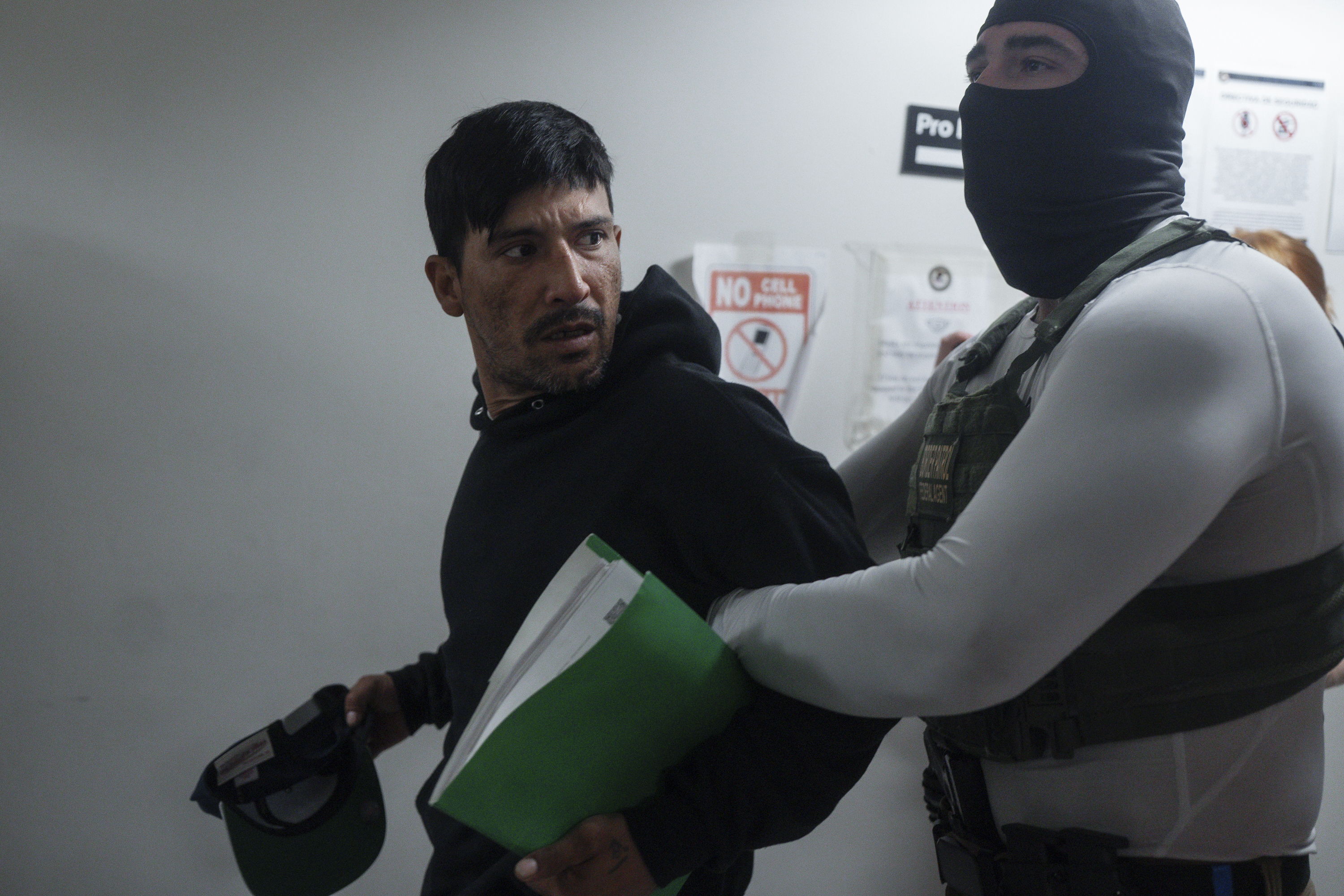
An aggressive uptick in immigrant parent detentions highlights the hidden costs of federal enforcement for New York’s American-born children.
The numbers tell a tale of quiet disruption. In the first seven months of Donald Trump’s second presidential campaign, federal agents—specifically, the Department of Homeland Security’s Immigration and Customs Enforcement (ICE)—detained the parents of at least 11,000 American-citizen children. That is an average of over 50 children a day witnessing a mother or father swept into custody, often in courthouse corridors or at their own front doors, collateral in a resurgent national crackdown on undocumented immigration.
This spike, revealed in recent investigative work by ProPublica and amplified in New York City-based Spanish daily El Diario, underscores with unusual clarity the distinctive path that federal immigration enforcement has blazed through city neighborhoods. It is not only undocumented New Yorkers placed in jeopardy, but the American-citizen children left behind. For a city that claims over a third of residents as foreign-born and at least 400,000 children with at least one undocumented parent, the local repercussions are both matryoshka-like and profound.
The mechanics of ICE’s raids are unsparing. According to records released under the Freedom of Information Act, ICE detentions during Mr Trump’s presidency disproportionately targeted mothers, with nearly four times as many mothers of American citizens deported daily compared to the Biden administration’s peak pace. These are not borderland tragedies but daily events inside New York’s housing estates and school districts.
For New York, the first-order effects are wrenchingly specific. When parents are detained, American-born sons and daughters are thrust into sudden limbo—sometimes left in the care of friends or neighbors, at other times dependent on the city’s strained child welfare machinery. Schools report spikes in absenteeism and anxiety. Social services, already stretched by the needs of new migrants, must now account for families disrupted internally by the same migration system.
Fear is contagious. Clinicians and advocates say that the mere whiff of a knock at the door by ICE reverberates down city blocks, dampening attendance at parent-teacher conferences and even discouraging families from claiming benefits to which their citizen-children are legally entitled, such as food assistance or Medicaid. Data on the longer-term effects remain fragmentary, but what exists bodes ill: disruptions at pivotal developmental stages correlate with worse educational attainment and, eventually, higher poverty rates.
The second-order consequences are less visible but no less consequential. Employers—particularly in sectors known for hiring immigrant labor, such as hospitality and construction—report nagging labour shortages, worsened by workers’ reluctance to risk any engagement with officialdom. Legal aid providers find their caseloads swelling not with newly arrived asylum-seekers, but with American minors seeking medical or educational guardianship after parental detentions. The result is a double burden: a city striving to care for the newly arrived and the American-born youth left adrift by federal initiative.
Local politics, predictably, have reacted with the usual mix of sound and fury. City politicians decry the “family separation crisis” but have scant power to blunt federal authority. Efforts to fund legal defence for immigrants or to declare New York a “sanctuary city” sap budgets without fully insulating families from enforcement. Meanwhile, city officials wrestle with the optics of open defiance, wary of drawdowns in federal funding or unwanted attention from Washington.
On the national stage, what seems exceptional in New York is but an amplified version of a pattern playing out across urban America. Under President Joe Biden, the machinery of ICE has continued to detain and deport, but the metrics—according to ProPublica’s data—show a marked, if not radical, decline in parental detentions and a greater emphasis on “prosecutorial discretion” for the undocumented parents of citizens. Some reckon that this shift in emphasis is more pragmatic than compassionate: federal agencies lack capacity to prosecute all violators, and the public has wearied of the more gothic deportation stories.
A hard calculus for city and country alike
Globally, America’s predicament is mirrored in the policies of other high-migration nations. But the scale in New York—and, by extension, in its American peer cities—remains singular. In Europe, the children of undocumented migrants are less likely to be citizens themselves, muting the domestic political cost of enforcement. In places like Toronto or Sydney, authorities pursue a more measured path, quietly regularising the families of citizens rather than risking the spectacle of ICE-style roundups.
What, then, is a city like New York to do? The costs of inaction—allowing an ever-larger undocumented population—are not trivial. But the current approach yields a separate catalogue of harms: frayed social cohesion, increased public spending for disrupted families, and a generation of American citizens untethered to their parents by a procrustean enforcement regime.
We are sceptical that ever-harsher spectacle is a sustainable palliative for America’s migration dilemma. New York’s experience suggests that the short-term gains from “tough” enforcement are undercut by the long-term price of unmoored youth and atomised neighbourhoods. If nothing else, the city’s data-forward approach points to the need for an immigration policy that weighs not only border statistics but also the realities inside American homes.
Ultimately, the fate of New York’s American-born children with detained parents is an uncomfortable gauge of the city’s—and the country’s—capacity for reasoned immigration policy. That they are unintentionally swept up in political crossfire may say less about enforcement zeal than about legislative paralysis. Unless Congress musters the will to offer clarity (and, perhaps, clemency) for the parents of American citizens, cities will continue to bear the brunt. Data, predictably, point to only limited solace. ■
Based on reporting from El Diario NY; additional analysis and context by Borough Brief.