IPCC Softens Climate Warnings as New York Eyes Gas Pipeline, Hochul Considers Nuclear Pivot
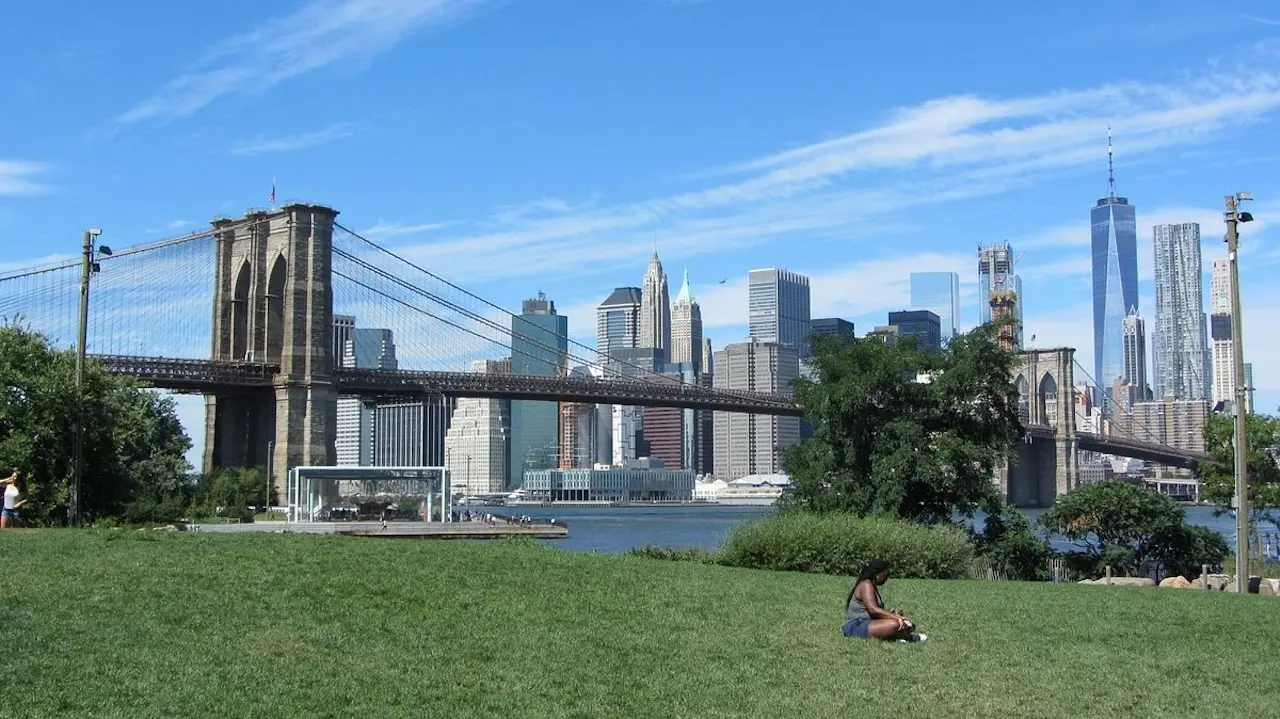
Global uncertainty over climate projections is reshaping how New Yorkers, policymakers and investors weigh the costs and benefits of energy transition.
The summer’s first muggy heatwave has barely settled over Manhattan, and already power bills are mounting in all five boroughs. New Yorkers, who endure some of the highest electricity costs in America, might wonder whether new shifts in global climate debate will lessen the strain—or simply stoke further uncertainty. This spring, the United Nations’ Intergovernmental Panel on Climate Change (IPCC), the grand arbiter of global warming alarm, unceremoniously scaled back some of its most catastrophic climate predictions, signalling a turning point in the policy narrative that has animated (and bedevilled) state energy planning for decades.
In a scholarly but momentous revision, the IPCC now describes certain worst-case climate scenarios—the source of longstanding RCP8.5 doomsday forecasts—as “implausible.” Its latest publication, in the journal Geoscientific Model Development, admits that “for the 21st century, this range will be smaller than assessed before.” The retreat has not gone unnoticed. Former President Donald Trump, ever agile in spinning global news for domestic gain, raced to declare vindication, chiding the climate establishment for years of error.
At street level, though, it is local policy and power that matter most. For years, New York’s lawmakers have erected an ambitious climate regime, typified by the 2019 Climate Leadership and Community Protection Act (CLCPA). Its central aims—matching European pacesetters in renewables, and dramatically curbing carbon use—have always come with a price tag. Even conservative estimates suggest the law will heap an additional $300 per month onto the typical family’s electric bill, a formidable sum in a city famed for its punishing cost of living.
The stakes are rumbling beneath policy debates in Albany. Last month, after years of deadlock and protest from the “green” left, Governor Kathy Hochul shifted tack. Approving permits (under gentle pressure from Mr. Trump and regional energy lobbies) for the Northeast Supply Enhancement pipeline—a 23-mile, $1.2bn conduit set to channel cheap Pennsylvania gas to Staten Island and the Rockaways—she reversed a position long seen as untouchable. The project’s backers predict $6bn in energy savings over 15 years; its opponents warn of emissions creep and long-term dependence on fossil fuels.
Politically, this partial about-face is striking. Ms. Hochul had been a reliable champion of the green agenda. But she has lately joined a chorus of governors re-examining whether the cost of aggressive decarbonisation—especially as climate doomsday claims recede—remains tenable for working-class and outerborough New Yorkers alike. Her search for alternatives has even led her to revisit nuclear power, a subject previously considered verboten in Albany. With the shuttering of Indian Point’s nuclear reactors—once a source of a quarter of New York City’s electricity—gaping holes have reappeared in the city’s energy balance sheet.
Meanwhile, green technology’s advance has proved less rapid than advertised. Offshore wind, Governor Hochul’s early wager, now costs 3.4 times more per megawatt-hour than gas, and provides a paltry 10% of the state’s electricity. Solar power supplies barely more. All told, wind and solar’s share of the grid has grown, but their modest scale, coupled with outsized costs, has tested the patience of voters and investors.
Beyond New York, the mood is similar. States from California to Massachusetts have built policy on earlier, more dire IPCC projections, committing to timelines and expenditures now ripe for reassessment. Politicians everywhere, faced with voter ire over bills and blackouts, seem to be moderating. Even in Europe, net-zero targets are proving harder to meet without resorting to “transitional” fuels like gas or reviving mothballed nuclear.
Energy politics in the age of uncertainty
Globally, the withdrawal of climate catastrophe as the central policy rationale heralds a subtler, more pragmatic phase. The IPCC’s repositioning does not mean climate risk disappears, but shifts the debate to questions of cost-effectiveness and resilience. With America now the world’s largest producer of natural gas, and with everything from heavy industry to apartment-dwellers depending on affordable energy, calls to eschew abundant domestic resources ring more hollow.
The economic implications could be large. Lower projected climate risks may embolden New York’s powerful real estate and financial sectors, which have bridled at mandates for rapid (and often costly) “green” retrofitting. The building trades and construction unions—no trivial constituency—may also press for a less dogmatic approach, especially as nuclear and gas projects create middle-class jobs. Conversely, environmental groups fret over a slide into energy complacency and the abandonment of global obligations to poorer nations.
Societal attitudes, too, are shifting. Data from The New York Times and Siena College indicate that only a minority of New Yorkers now rank climate change as a top ballot issue, well behind housing, crime, and affordability. When the pain of energy bills bites, wobbly ideological commitments tend to wobble further. Yet a full retreat from decarbonisation seems unlikely, given the city’s vulnerability to sea-level rise and storms. As ever, the prudent course lies between denialism and uncosted grandiosity.
How should a modern city proceed, then, when the science updates and the costs mount? For all the noise, the answer is less about grandstanding and more about balance and accountability. Gas, nuclear and renewables each have their virtues and vices. Rather than picking winners by fiat, New York would do well to let markets—not ministerial fiat—sort the energy mix, with transparent pricing of costs, incentives and long-term resilience.
Every revised forecast from Geneva, Brussels or Albany is a reminder that, for New York, prudence trumps prophecy. Climate anxiety ought not justify unthinking commitment to the most expensive energy dogmas, especially if the underlying assumptions prove shakier than advertised. The city has always prospered from adaptation, not alarmism; it should continue to do so—whatever the weather portends. ■
Based on reporting from Queens Ledger; additional analysis and context by Borough Brief.