Iran and US Set Two-Week Ceasefire, Ormuz Talks Begin April 10 in Islamabad
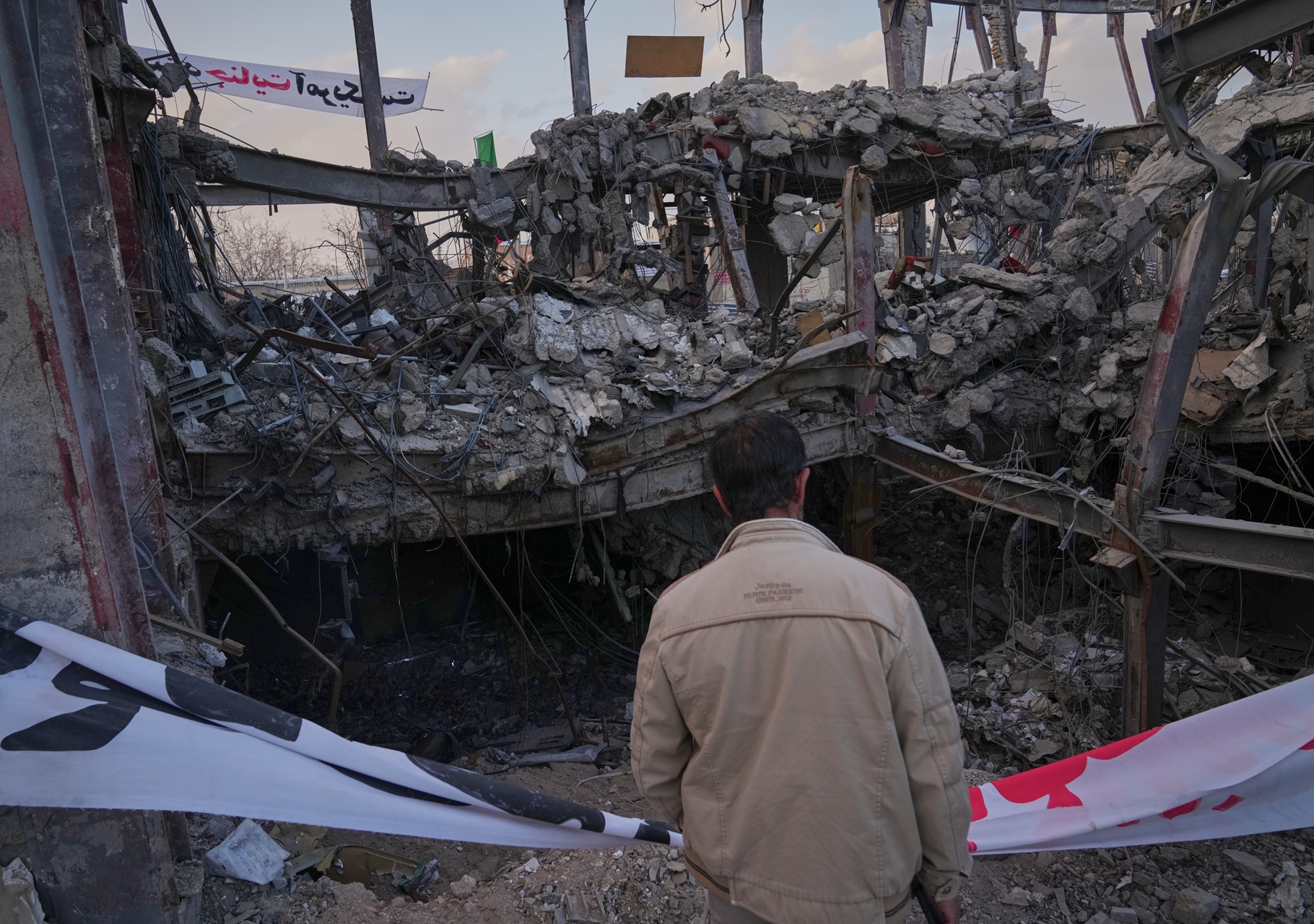
The prospect of a US-Iran truce, brokered in Islamabad, could echo from the Strait of Hormuz to the fuel tanks of New York’s taxis.
New Yorkers are accustomed to shocks, but the news on April 2nd from Islamabad was of a different order. By the time Wall Street’s closing bell sounded and the sun set behind the Manhattan skyline, markets were already rattling with uncertainty, as Iran and the United States—two archrivals whose shadow conflict occasionally reverberates in oil prices—confirmed a sudden bilateral ceasefire. For two weeks, hostilities are on ice, and for the first time in years, officials from both nations will sit down together to bargain over the future of the Persian Gulf, in the unlikely venue of the Pakistani capital.
The immediate trigger? A threatened US attack against “critical Iranian infrastructure”—ranging from electrical grids to bridges—which President Donald Trump vowed would send Iran “back to the Stone Age” unless Tehran swiftly reopened the Strait of Hormuz. This narrow choke-point is the world’s busiest energy corridor; upwards of one fifth of globally traded oil crosses it, bound for the tanks and furnaces from Tokyo to, yes, the five boroughs. A partial Iranian closure of the strait, enacted after its war with Israel began, has been rattling energy markets for weeks.
It was only after 11th-hour shuttle diplomacy by Pakistan’s prime minister, Shehbaz Sharif, and military chief Asim Munir, that Washington agreed to pause its attack—if, and only if, Iran promised unimpeded Hormuz transit. Iran, in turn, has floated a 10-point peace plan, blending ceasefire terms with security protocols and a face-saving call for sanctions relief. Trump, rarely one to praise adversaries, declared the plan “a viable base” for lasting détente, claiming the US had already “met and exceeded all military objectives.” American warplanes, for now, remain grounded.
The implications for New York, ever a hostage to the vicissitudes of global markets, are immediate. Oil price futures, recently nervy, dipped on the ceasefire news—but remain volatile. About 80% of the city’s heating oil, diesel, and gasoline arrives by sea, much of it ultimately sourced from crude whose journey begins at—or, crucially, is blocked by—the Straits. The city’s tens of thousands of yellow cabs and delivery vans, not to mention its airports, feel any spike in oil nearly at once, with knock-on effects for inflation and, inevitably, household budgets.
A longer peace would bring relief not just at the pump, but up and down the supply chain. Local supermarkets, already battling sticky inflation, are eyeing energy costs warily. Global wheat and corn, traded alongside energy futures, may see ripple effects if shipping through Hormuz becomes reliable again. For landlords managing NYC’s aged boilers and for social service agencies subsidising winter heat, the prospect of stability is anything but academic.
On a second order, the truce portends more than just mercantile calm. New York’s streets and shops bear the scars of each oil shock: the 1970s embargo, the second Gulf War, the drone strike on Qassem Soleimani in 2020. Each time, pricy energy begets higher transit costs, pinched city budgets, and, often, edgier politics—witness the recent spat over congestion pricing, partly justified as a climate measure, but also entwined with energy anxieties. Wall Street, too, watches Iran with undiminished attention. The city’s finance and shipping sectors thrive on global commerce; for hedge funds and tanker firms alike, Hormuz’s unfettered openness is the difference between profit and panic.
Nor is this merely New York’s parochial concern. The axis of confrontation—Tehran, Washington, Tel Aviv—has global consequences. Europe, desperate to wean itself off Russian energy, eyed Hormuz’s closure with existential dread. China, the world’s largest oil importer, has quietly lobbied for calm. Pakistan’s unexpected emergence as mediator may signal a new balancing act in South Asia, where both Washington and Beijing swing influence.
Yet past truces between Iran and America have rarely endured. The 2015 nuclear deal, the so-called JCPOA, was negotiated in Vienna with much fanfare, only to be binned by the Trump administration in 2018. Since then, proxies have traded fire from Iraq to Yemen, with the occasional missile or sabotage raid in Hormuz serving as a grim reminder that peace in the Gulf is both vital and perpetually fragile. New Yorkers, pragmatic to the core, might do well not to uncork the champagne just yet.
The particular terms of Iran’s 10-point plan remain under wraps, but early leaks suggest demands long familiar: phased sanctions relief, respect for Iranian sovereignty, and especially, no more foreign attacks. For their part, the Americans insist on guarantees of free Hormuz passage—a demand likely to stick, given how tightly the strait’s fate is woven into New York’s own economic metabolism.
Peace talks and pitfalls ahead
Yet the perils are as obvious as the incentives. Neither side trusts the other; hardliners in Tehran and Washington alike bristle at the notion of giving ground. The two-week ceasefire is both paltry and precious—ample time for miscalculation, accidental clashes, or political second thoughts. Islamabad’s brokers, relative neophytes in global peacemaking, are betting that this time, both adversaries’ domestic weaknesses—sanction-hobbled Iranian economy, and an American administration riven by election-year pressures—afford space for a real bargain.
At a broader scale, the New York region’s vulnerability to faraway conflicts is both a strength and a curse. Its cosmopolitanism and commercial reach tie it closely to the Hormuz drama—too important to be ignored, yet too far to be controlled. Globalisation has made the city’s fortunes rise and fall with the tides of the Persian Gulf.
In the end, it is the confluence of domestic politics, regional rivalries, and global economics that will determine whether this Islamabad round marks a real breakthrough, or just another waypoint in a quarrel that predates Citi Bike and the Brooklyn Bridge alike. For now, New York’s traders, taxi drivers, and tenants can only watch and hope—for lower fares, reliable deliveries, and fewer reasons to fret about distant straits.
As usual, we reckon, the city’s fortunes remain an object lesson in how tightly the lives of millions are wound to far-off diplomatic gambits. The temporary truce, for all its frailty, offers a glimmer of stability in a world where black gold still speaks louder than most diplomats. For New Yorkers, that is at least worth a cautious sigh of relief. ■
Based on reporting from El Diario NY; additional analysis and context by Borough Brief.