JFK and LaGuardia Resume Flights After Blizzard, but Delays Outpace the Snowmelt
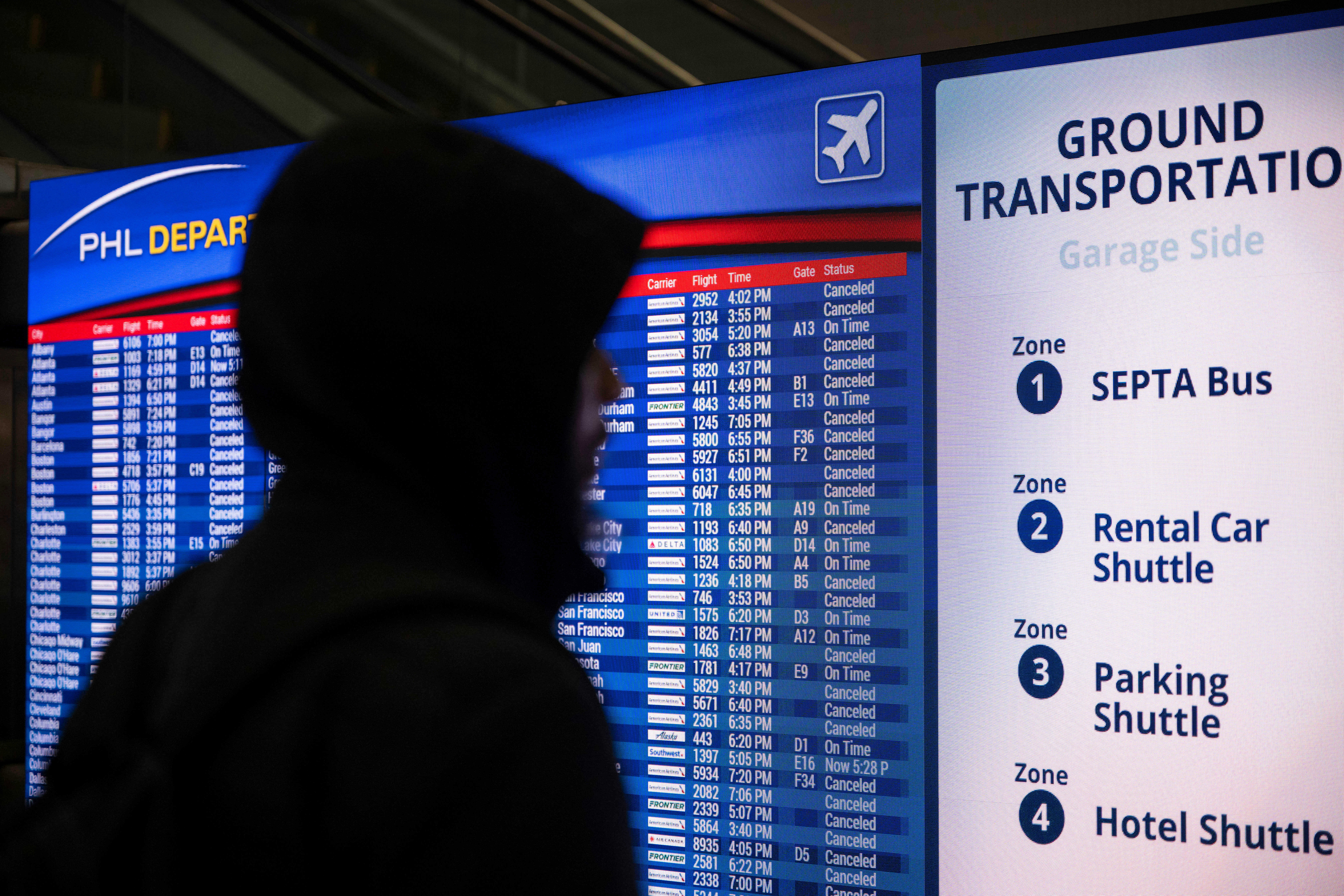
As the northeast thaws from a historic storm, New York grapples with a tangle of cancelled flights and disrupted lives—illustrating both the fragility and resilience of the city’s transit arteries.
It is a New York rite of winter: whiteout streets, gritted teeth, and airport screens awash in red. On February 23rd, the region awoke to an extraordinary 58cm of snow at LaGuardia, the likes of which had not buried the city since 2016. More than 5,700 flights were cancelled on Monday, stranding businesspeople, tourists, and families alike. By Tuesday, the drifts had diminished but the logistical debris remained: FlightAware, a flight-tracking service, clocked over 2,000 additional cancellations nationwide, with the Big Apple still digging out.
America’s largest metropolis was not alone in its woes. With state-of-emergency declarations unfurling across New Jersey, Connecticut, Massachusetts and beyond, the storm’s white blanket was both literal and bureaucratic. Yet the pain in New York was acute. Newark and LaGuardia airports—vital gates for the tri-state area—saw roughly half of Tuesday’s flights wiped from the board. John F. Kennedy airport fared only slightly better, with 41% of operations axed or delayed.
The impact radiates far beyond harried travelers encamped beside charging stations. For a city that bills itself as the global crossroads, such gridlock is not a mere inconvenience. New York’s economic metabolism depends on the steady pulse of air traffic, which moves more than 60 million passengers through its three main airports each year. A single day’s paralysis can freeze economic activity, from stalled imports and delayed perishables to missed meetings and lost hotel bookings.
The consequences will be measured in more than dollars. In a city famed for its churn, unexpected stasis exposes uncomfortable truths. Already stretched by housing precarity, many New Yorkers cannot afford to bunker in place. Snow-laden subway lines and jammed highways have become febrile crucibles for frustrations. Meanwhile, lower-wage workers—the invisible tendons binding airport and hospitality operations—face missed shifts or unreimbursed overtime, with little recourse but to wait out official guidance on when flights, and paychecks, might resume.
For the airlines, the storm is both an operational hazard and a recurring cost centre. American, United and Delta began rebooking or consolidating flights by Tuesday, pledging a return to “normalcy” as swiftly as schedules and snowploughs allowed. Yet the recovery proves lopsided: Boston’s Logan airport kept half its flights grounded, underscoring how incremental progress in one hub is quickly undone by bottlenecks down the line. Such disruptions, analysts soberly note, cost airlines tens of millions of dollars with every protracted episode.
The city’s political apparatus, ever attuned to the optics of motion and progress, responded with the expected gravitas. Governors and mayors lined up for televised briefings. Emergency crews bristled along highways and subway entrances, shovels and salt standing between order and chaos. However, there remains an age-old tension: an eagerness to declare the city “open for business” again, balanced uncomfortably against the hard realities of climate, creaking infrastructure, and a public weary of municipal boilerplate.
The severity of this storm rekindles perennial debates about the adequacy of resilience investments. In the past decade, billions have gone into flood mitigation and upgraded snow removal equipment. Yet, as the city expands vertically and its transport grid grows more intricate, each new weather shock exposes fragilities that no fiscal patchwork can fully remedy. Air travel, in particular, is uniquely susceptible to pinch-points: a downed runways here or a clogged taxiway there can snarl global networks for days.
Wider skies, similar woes
Globally, New York’s latest calamity is hardly unique. European capitals suffered similar paralysis during recent cold snaps, with London Heathrow and Frankfurt beset by cascading cancellations. Yet there, more robust protocols—such as pre-emptive rebooking policies and deeper airport buffers—sometimes mitigate misery. America’s fragmented system, by contrast, often leaves travelers stuck between airline fine print and ambiguous weather waivers.
If there is a silver lining—or at least a pewter one—it is that the city’s aviation system remains, in some respects, strikingly adaptable. Airlines now wield predictive analytics to reposition aircraft and reroute passengers before a snowflake hits the ground. Digital tools let travelers rebook with a swipe rather than a four-hour call. New York’s Department of Transportation, stung by criticism during blizzards of yore, has quietly improved snow clearance routines on critical access roads.
Nonetheless, progress is uneven. For every innovative gesture, there persists an ache for more comprehensive planning: greater investment in de-icing equipment, coordinated contingency schedules among airlines, and a more generous social safety net for hourly workers left in the lurch. The city’s vaunted grit is no substitute for paychecks that arrive on time, or commutes that run on something resembling a schedule.
As the northeast digs out and runways return to black tarmac, New Yorkers are left to consider what this latest disruption portends for the future. Climate models suggest more frequent and unpredictable storms are on the horizon. The success or failure of each response will shape not only the city’s bottom line, but its claim to global connectedness.
Viewed globally, such interruptions may be only a passing annoyance; viewed locally, they are a litmus test for civic competence and private sector nimbleness. In a metropolis where patience is always in short supply, every snowstorm draws out the essential tension between hubris and humility: how much we rely on seamless movement, and how easily nature reminds us otherwise.
For now, the city brushes the slush from its boots, glances at the departures board—and hopes for an ordinary forecast tomorrow. ■
Based on reporting from El Diario NY; additional analysis and context by Borough Brief.