LIRR Strike Halts 250,000 Daily Commutes as MTA Faces Off With Unions Over Pay
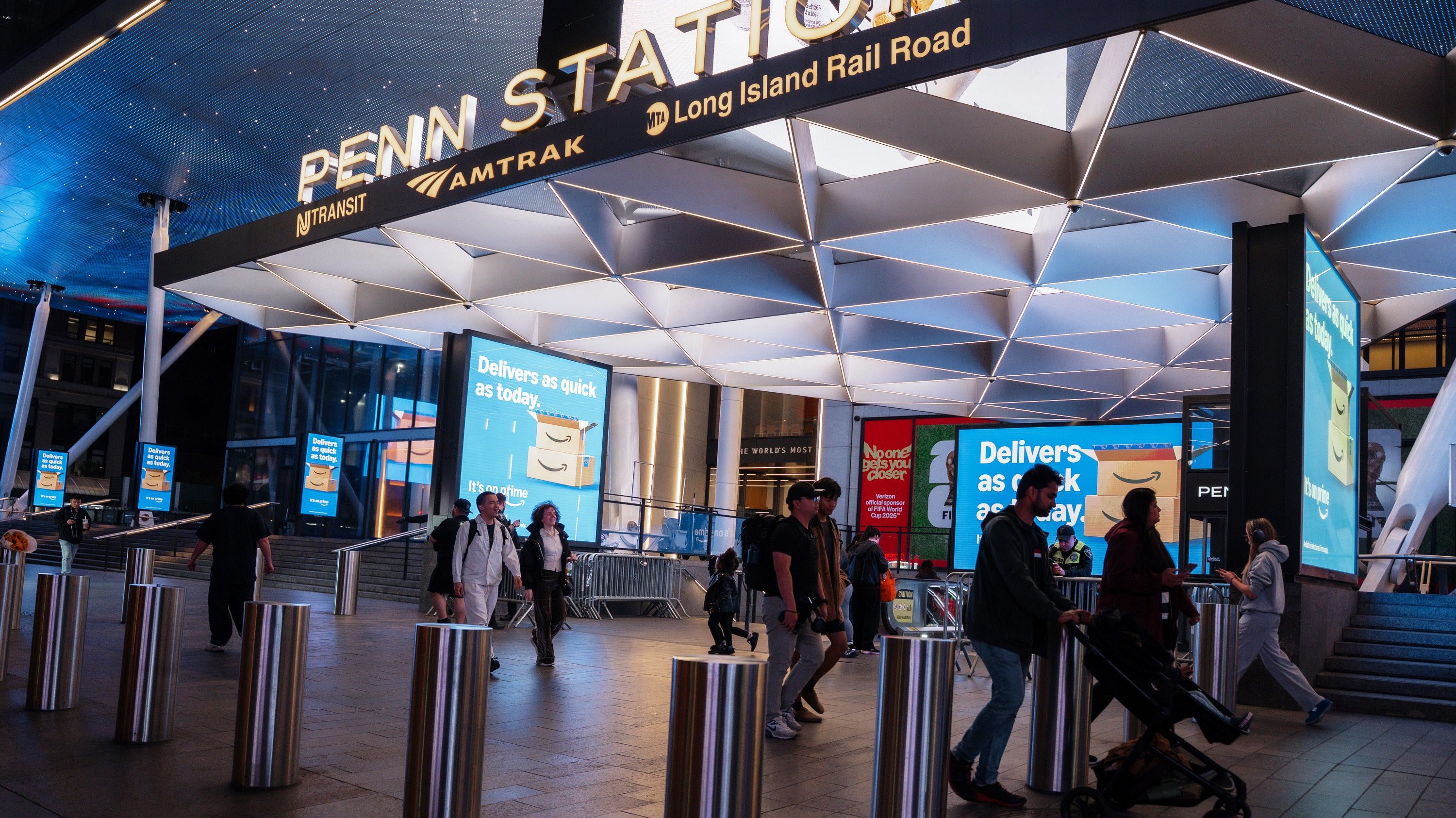
The first Long Island Rail Road strike in over a decade brings New York’s commuter arteries to a grinding halt, testing the resilience of the region’s transit, its labour relations, and the patience of 250,000 daily riders.
Shortly after midnight, the warren of platforms beneath Penn Station went uncharacteristically silent. By 12:01 a.m. on Saturday, May 16th, not a single Long Island Rail Road (LIRR) train rumbled out of the city or wheezed in from the suburbs. The abrupt stillness was not caused by a technical failure or an act of nature, but by the rarity of American transit life: a full-tilt strike. “No movement,” quipped a union leader on X, capturing the mood with New York brevity.
The LIRR—the nation’s largest commuter rail network—serves a quarter of a million passengers on a typical weekday, shuttling families, day labourers, and financiers alike between the sprawl of Nassau and Suffolk counties and Manhattan’s towering glass. On most days, 947 trains link 126 stations, feeding not just commerce but New York’s very metabolism. For those unfortunate enough to wake and discover the system inert, the promise of an on-time arrival evaporated in the pre-dawn.
The immediate cause: failed contract talks between the Metropolitan Transportation Authority (MTA) and five unions representing 3,500 train crews and staff. The unions demand “better wages” and firmer job security. By Friday night, negotiations had grown more acrimonious than fruitful. Union officials accuse the MTA of introducing late-breaking proposals on health coverage and benefits, while MTA executives insist that meeting union demands would portend an unwelcome spike in fares for everyone, not just a windfall for a few.
For New Yorkers, the repercussions are instant—and punishing. The MTA’s contingency, a patchwork of shuttle buses and alternative routes, serves mostly as a gesture. All but the earliest of Saturday’s LIRR passengers are now stranded, and those with few options face daunting, inconvenient (sometimes costly) commutes. While some may opt to drive, the extra cars portend epic gridlock at East River crossings and on the LIE, a prospect to chill even the most crosstown-hardened.
In the near term, this strike frays more than tempers. The LIRR ferries a vital worker population for Manhattan and Brooklyn. Hospitals, brokerage firms, and schools all rely on the quiet efficiency of its rolling stock. Unscheduled absences are writ large across payrolls, and for hourly labourers, the loss is immediate and tangible: no ride, no wages. Business leaders fret about reduced consumer traffic, and municipal tax receipts—a less glamorous but no less real consequence—may be squeezed.
Yet, the strike’s undercurrents swirl even wider. The MTA, which runs not only the LIRR but also subways, buses, and other railroads, already strains under financial pressures. Raising wages, its leaders argue, may require heftier fare increases or deeper municipal subsidies—neither of which bodes well for straphangers or city coffers. For Democratic politicians, conspicuously including Mayor Zohran Mamdani, the moment is fraught: to side credibly with workers courts union favour, but to acquiesce too readily risks antagonising a ridership electorate weary of pandemic inflation and transport woes.
Step back further and New York’s predicament resembles what transit agencies from London to San Francisco have faced since Covid-19: stagnant or shrinking revenues, stubborn costs, and a labour force newly emboldened by staff shortages and public appreciation. If the LIRR strike drags on, so does the threat of an East Coast echo: emboldening other unions at the MTA, or even at NJ Transit, to press their own cases when contracts next expire.
Ripple effects beyond the rails
Nationally, only a handful of commuter rail strikes have occurred in the past ten years. Most have been ironed out, if tardily, by federal mediators or the threat of political intervention. That New York’s stalemate has reached the picket line, not merely the negotiating table, is a discouraging sign for those who believe in the slow efficiency of collective bargaining. In purely economic terms, a multi-day strike could cost firms across the city tens of millions in lost output—a paltry sum on Wall Street’s scale, perhaps, but keenly felt in the boroughs’ pay envelopes.
But if New Yorkers’ commutes embody American dependence on metropolitan rail, they also expose infrastructural frailties. This year alone, LIRR service has repeatedly suffered from minor disruptions—most recently, a track fire near Penn Station forced rolling delays on Amtrak, LIRR, and NJ Transit only days before this stoppage. A system built for the past, patched for the present, and perennially short of investment now faces the crewless future it had long sought to avoid.
Nor is any solution likely to please all stakeholders. The MTA’s finances—battered by pandemic ridership declines and ever-rising operational costs—cannot absorb lavish wage awards without passing on pain to passengers. Yet awarding too little risks staff morale and retention at a time when shortages are not a distant spectre but an immediate constraint, as recruitment lags way behind retirements.
The state government could conceivably intervene, as in past disputes, by legislating a settlement or pressing parties back to the table. Yet, the political calculus is treacherous. To be seen as breaking a strike risks antagonising a union-backed voter base; to allow the stoppage to drag on undermines faith in public stewardship.
As a bellwether for American cities, New York’s transport strikes illuminate hard choices. Well-paid, unionised public servants are envied and resented in equal measure; frequent riders worry about both fare hikes and job cuts. Nobody champions sclerotic negotiations or industrial action. Yet, without investment and some elasticity on both wage and management sides, the risk of recurring gridlock only grows.
This city has always prided itself on its capacity to improvise through adversity—whether snowstorms, blackouts, or pandemic surges. But the LIRR strike is a reminder that the arteries of the tri-state economy are both shockingly robust and regrettably brittle. A prompt settlement would signal common sense; a protracted deadlock merely signals that, for all New York’s bravado, it struggles to free itself from the errors of its infrastructural past.
Until then, one suspects that both sides will find, as so many Manhattan commuters do, that getting anywhere on time requires more patience—and compromise—than anyone would prefer. ■
Based on reporting from El Diario NY; additional analysis and context by Borough Brief.