Mamdani Eyes Property Tax Hike as City Budget Gap Looms, Ignores Meter Goldmine
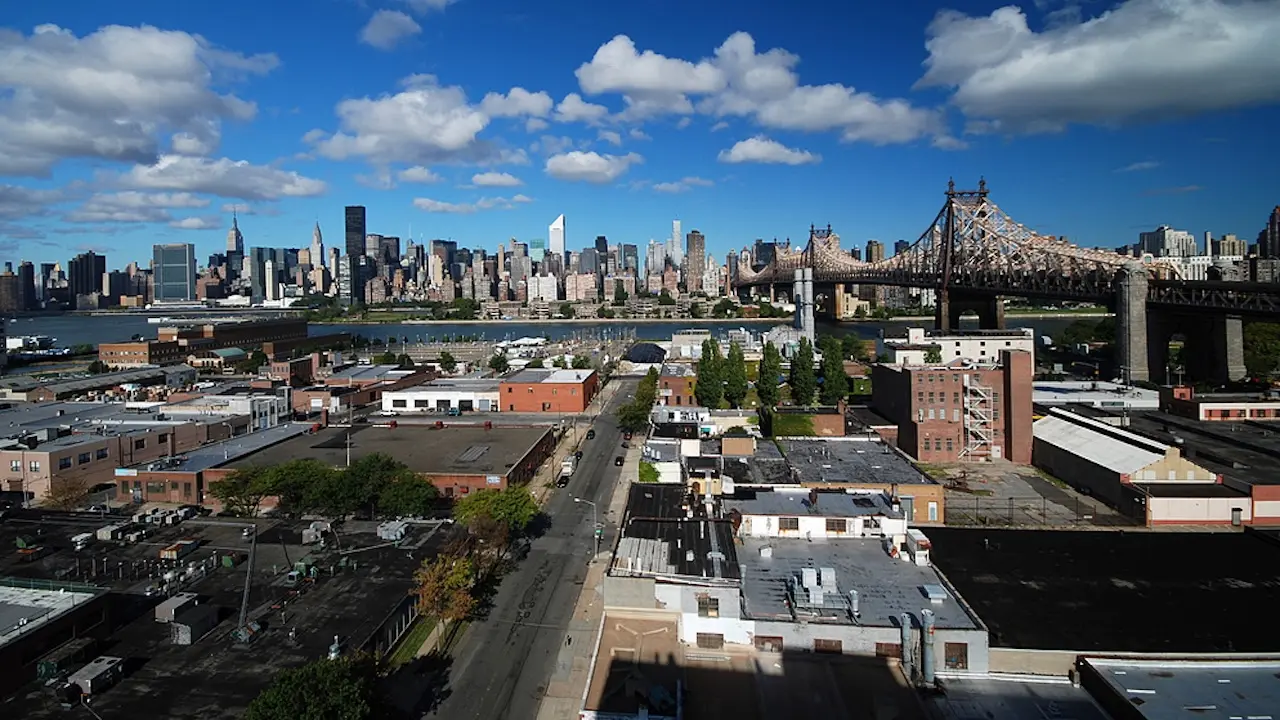
New York City’s looming budget squeeze could reshape everything from parks to parking, revealing the limits of tired fiscal reflexes and the city’s appetite for creative, if incendiary, revenue ideas.
When City Hall’s accountants tally up the numbers, the scale of the challenge is sobering: a projected $5 billion budget gap for the coming fiscal year, the largest in over a decade. The city’s preliminary $127 billion budget, put forward by Mayor Zohran Mamdani, tries to square this circle through tax hikes—first on incomes, now on property. The politics, however, are as fraught as the sum is vast.
Since raising income taxes seems dead on arrival in Albany—Governor Kathy Hochul telegraphing no appetite for such a move—the administration has reached for the levers left within city reach. The latest target is property taxes: the last-resort tool and, historically, a mayoral poison pill. The scars from Michael Bloomberg’s unpopular property tax hike still fester, having left longtime political bruises. Changes to the city’s byzantine property tax system remain a third rail for a reason, as tweaks inevitably produce both jubilant winners and vehement losers. Most mayors, from Bloomberg to Adams, have preferred to kick this can down Fifth Avenue.
Yet with fiscal reality encroaching, the city can ill afford to delay meaningful decisions. Mamdani’s reliance on property tax hikes, rather than imaginative reforms or new revenue streams, begins to look less like bold leadership and more a capitulation to municipal inertia. A recent report from the Center for an Urban Future (CUF) lays out six alternative strategies that would neither put the squeeze on homeowners nor slash vital public services. Together, these ideas might patch more than $1.4 billion of the gap—no panacea, to be sure, but hardly spare change.
Some of CUF’s suggestions verge on the radical. Consider the city’s underused real estate: over 80 acres of surface parking at City University of New York (CUNY) campuses ripe for infill housing. Developing merely a fraction of that could yield up to $55 million a year, while also helping to chip away at the city’s gnarled housing crisis. In a city where every square foot feels contested, idle parking lots look paltry indeed.
The march of technology presents revenue prospects as well as headaches. Autonomous vehicles—those Waymo and Cruise driverless pods—are poised to one day fill city streets. Rather than let disruption arrive unbidden, City Hall could get ahead by levying per-trip impact fees and permits for such fleets. The near-term payoff may hit $25 million a year; once scaled, autonomous vehicles could net the city a cool $237 million annually. Taxi drivers may blanche, but the city’s balance sheet would scarcely complain.
However, the largest prospective nugget is hiding in plain sight—and in asphalt. At present, just 80,000 of the city’s three million parking spaces are metered. Dramatically expanding metered parking, especially on commercial corridors, could—according to CUF—generate more than $1.3 billion every year. Such a policy could also mitigate congestion, curb pollution, and encourage a less car-bound city life. That so much financial potential is literally sitting curbside should give policymakers pause.
Smaller revenue tweaks abound. Siting battery-storage facilities on city-owned land, hawking more concessions and naming rights within parks and public spaces, and wringing more from sponsorship deals collectively add another $55 million to city coffers. No single measure will baling-wire the budget; together, however, they reduce the panicked pressure to make deep service cuts or to whack residents with another broad-based tax hike.
All these proposals sidestep the battered pattern of “tax, cut, repeat” that has long defined New York fiscal crises. The city’s contracting bloat and bureaucratic redundancies remain fertile grounds for savings—though, as every mayor soon learns, shaking entrenched fiefdoms means wrestling a hydra. Mamdani, so far, appears to be giving reform a wide berth, perhaps reckoning that tax hikes are less politically complicated than dismantling city labor arrangements or reforming procurement. That logic is likely shortsighted.
Creative revenue versus political risk
No revenue strategy avoids risk, but some burden the most vulnerable more than others. Hiking property taxes, in a system unchanged for decades and infamous for privileging brownstone Brooklyn at the expense of the outer boroughs, is particularly fraught. It has toppled mayoral ambitions before and, in today’s more polarized climate, may be an even costlier gamble. By contrast, taxing underpriced urban amenities—like curb space or underutilized public assets—both raises cash and nudges New York toward sustainability.
The contest between status-quo revenue politics and creative fiscal tools is not unique to New York. Major cities from London to Los Angeles face similar pressures: balancing budgets as the costs of public services soar, while tax bases erode under remote work and migration. San Francisco, for instance, is expanding housing atop public lots and reimagining how it charges for curb access. Paris and Stockholm have wrung real reductions in congestion—and boosted city revenue—by embracing road pricing and new public-private concessions.
Still, the Big Apple’s tradition of municipal resilience deserves respect. The city has weathered fiscal storms before, teaching lessons in both boldness and caution. Lessons from the 1975 fiscal crisis caution against balancing books solely on the backs of residents or by gutting vital infrastructure. Yet New York’s remarkable knack for “muddling through” has sometimes meant settling for the most expedient, rather than the best, solution.
We argue that now is no time for the city merely to retrace the fiscal steps of its past. The sum of small reforms may not eliminate deficits, but taken together, they offer a future less prone to whiplash tax hikes and panicked program cuts. As always, the task is less about invention than about execution. Complacency, not complexity, is the enemy.
Mayor Mamdani would do well to treat the current fiscal crunch not as bother, but as opportunity—a prodding to bring city finances in line with modern urban realities, to tax what is underpriced, prune what is bloated, and unlock dosed assets before reaching again into taxpayers’ wallets. If City Hall cannot seize this moment for reform, it may find that voters will soon be looking to unlock new leadership instead. ■
Based on reporting from Section Page News - Crain's New York Business; additional analysis and context by Borough Brief.