Mamdani Floats Wealth Tax but City Hall Braces for Property Hikes Without Albany Buy-In
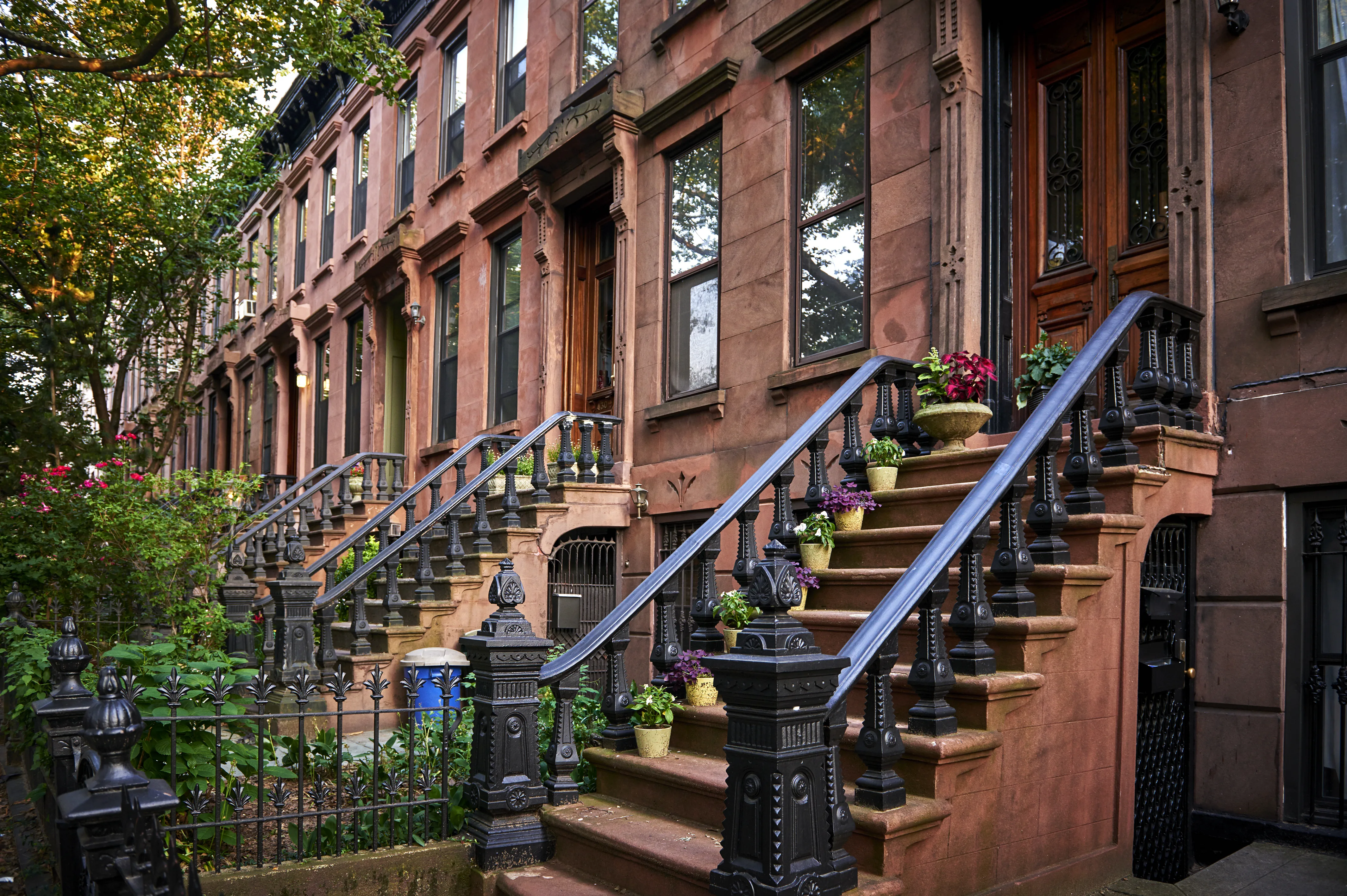
New York City’s fiscal crossroads forces a reckoning over how—and from whom—to secure the future of the five boroughs.
On an unusually steamy June afternoon, the city’s budgeteers unveiled an unenviable sum: $5.4 billion. That is the deficit facing New York City as it gears up for a bruising budget season—equal to about 6% of the city’s gargantuan $100 billion annual expenditure. The shortfall, announced with little ceremony but much import, sets an anxious tone for months of political haggling and policy recalculation in the metropolis.
At the heart of this fiscal drama is Mayor Zohran Mamdani, whose preliminary budget presented two distinct paths. Plan A, touted in his campaign days, would raise taxes on the city’s wealthiest residents and corporations—a move that played well on the stump but less so in Albany, where Governor Kathy Hochul’s taciturn response portends legislative gridlock. With little hope for state assent, Mamdani delivered Plan B: hike property taxes citywide and tap into the city’s not-quite-brimming reserves.
Flanking the mayor for the unveiling were First Deputy Mayor Dean Fuleihan and Budget Director Sherif Soliman, both veterans of the city’s perennial budget ballet. Their presence at Tuesday’s session underscored the seriousness of the challenge. As they sparred with NY1’s Ayana Harry, it became clear that City Hall is hemmed in by shrinking federal aid, tepid revenue forecasts, and an electorate rightly wary of any form of tax increase.
For New Yorkers, the implications are manifold and immediate. A property-tax hike would hit middle-class homeowners in Bayside and Bay Ridge just as much as it would Manhattan’s gilded penthouses. On the other hand, raising taxes on the city’s highest earners and largest corporations runs the perennial risk: the flight of talent and capital to friendlier tax climates—Miami’s real-estate agents, no doubt, are watching rather closely.
Moreover, any dip into reserves chips away at the city’s rainy-day cushion—a risky prospect as economic headwinds gather nationally. The budget director, Mr Soliman, hinted that the reserves are “not a magic well,” with less than $8 billion set aside for emergencies. The city would hardly be the first to regret spending its scant stash before the next storm.
Fiscal dilemmas such as this, while familiar, are seldom straightforward. Underpinning the budget squeeze are slowing tax receipts—property transaction volume remains puny compared to pre-COVID highs—and surging expenditures around housing, healthcare, and social services. The pandemic-era surge in federal funding has dissipated, leaving New York to contend with what officials charmlessly call a “structural deficit.” Even the robust local labor market, buoyant by national comparison, has not translated into a corresponding boom in tax revenues.
Unchecked, either plan could provoke discomfort. The property-tax rise might dampen already tepid sentiment in the outer borough housing markets. Conversely, a soak-the-rich approach could, as business groups fret, erode what is left of the city’s pandemic-battered competitive edge. Economic dynamism and social ambition, in New York as elsewhere, can be uneasy bedfellows.
Politically, the mayor’s choice is fraught. Raising property taxes is tantamount to courting voter resentment in a city where homeowners are already adjusting to higher interest rates and insurance premiums. Yet to chase billionaires and corporate backers—particularly without state support—may look bold but risks proving futile, especially if Albany remains obstinately recalcitrant.
A city’s choices on the world stage
Other global cities face familiar predicaments, though few at the same scale and velocity. London and Paris have grappled with their own ballooning deficits; both leaned on a mix of spending restraint and property levies, attracting no small share of local discontent. San Francisco’s recent woes—with talent and tax base trickling away to less exacting locales—are a warning shot for New York policymakers that wishful thinking about tax elasticity can be perilous.
Still, there is scant evidence that Manhattan’s pre-eminence as a global finance and media hub is at imminent risk, despite the perennial posturing by other cities. Yet, experience reminds us that local policy choices, especially when fiscal gaps yawn so wide, can set off chain reactions: business migration, housing market stagnation, or wrenching cuts to public services. For the moment, national trends—slowing growth, rising interest rates, and political deadlock in Washington—offer little succour.
And so City Hall faces a characteristically New York dilemma: a punishing fiscal gap, potent ideological crosscurrents, and a limited playbook. Raising property taxes offers predictability but zero glamour. Squeezing the top earners and corporations might appeal to a populist streak but risks broader dynamism and may ultimately yield a paltry sum if earners scoot elsewhere.
We reckon the city would do well to resist easy answers. Raiding the reserves is a palliative, not a solution; tax hikes, unless thoughtfully calibrated, could stifle both enterprise and confidence. What the moment calls for—however unglamorous—is a blend of moderation, lucid arithmetic, and tough-minded renegotiation with both the state and Washington. The alternative is either short-term reprieve or long-term torpor, neither of which befits the world’s greatest, and most scrutinised, city.
It is budget season in New York; the stakes, as ever, are as high as the skyline. The next move will portend much for the city’s future character and economic mettle. Until then, City Hall’s ledger reminds us that, sometimes, even the most buoyant cities are brought back to earth by the numbers. ■
Based on reporting from NYC Headlines | Spectrum News NY1; additional analysis and context by Borough Brief.