Mamdani Secures Key Appointments, Rent Freeze for One Million Stabilized Apartments Now Likely
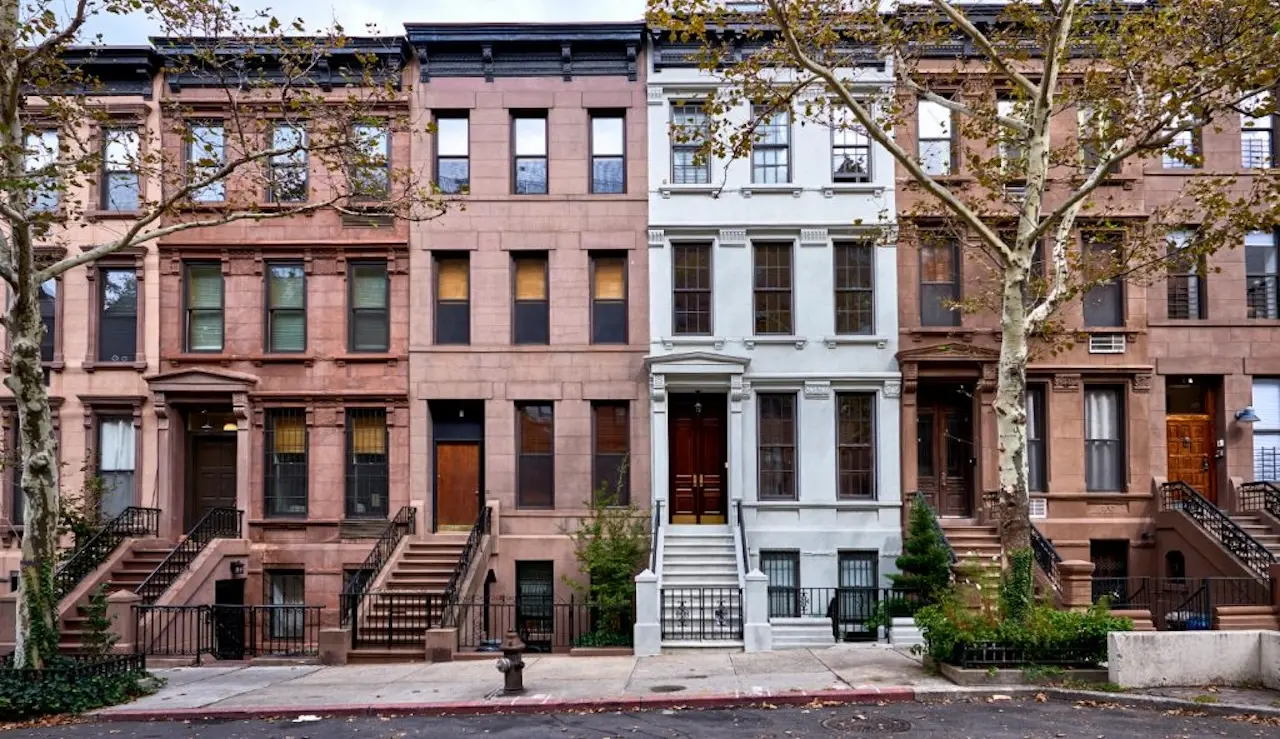
New York’s looming rent freeze for stabilized apartments signals a seismic shift in the city’s housing policy—and in mayors’ potential clout over the nation’s largest rental market.
For millions of New Yorkers, June often brings the stomach-turning anticipation of whether the annual rent bill might jump. Roughly one in three city dwellers—some two million souls—reside in rent-stabilized apartments, where periodic, government-set hikes determine how much more they will pay. Now, for the first time in years, it appears the increase will be zero. Mayor Zohran Mamdani, propelled to City Hall by a groundswell of tenant support, is on the cusp of delivering the rent freeze he loudly promised, rewriting not just the city’s financial outlook but also its political calculus.
The mechanism at the heart of this shift is the city’s Rent Guidelines Board (RGB), a body fewer can name than have enjoyed its beneficence. Its nine voting members, formally independent but in reality mayorally appointed, decide each spring how much landlords can raise rents on the city’s million rent-stabilized units. In July, the RGB narrowly backed another above-inflation hike—3% for shorter leases, 4.6% for longer ones—despite howls from tenant advocates and familiar consternation from landlords. Normally, the mayor’s appointments serve as a weather vane for policy direction: Adams packed the board with loyalists as a parting gesture. Yet the political winds changed direction with remarkable speed.
In a chain of events as fortuitous for tenants as it was galling for landlords, two Adams-era appointees swiftly bowed out—a Merrill Lynch advisor declined his seat without ceremony, and another quit for the private sector. At a stroke, Mr Mamdani found himself with an unprecedented six seats to fill, including the influential chair. His picks include Chantella Mitchell, a veteran of housing advocacy and an alumna of the city’s own Department of Housing Preservation, now guiding the proceedings. Tenant groups, understandably, are buoyant. “New York tenants are getting our rent freeze,” declared Sumathy Kumar, of the activist State Tenant Bloc.
Landlords, never a cohort known for extravagant optimism, reckon the portents are bleak. “(Mamdani) now wields the sledgehammer,” grumbled Ann Korchak, of the small property owners’ association, predicting the freeze will squeeze smaller operators most. In a city where over half of rent-stabilized units are owned by mom-and-pop landlords, and not large conglomerates, the politics of affordability are tangled with the economics of viability.
For tenants, particularly those in lower-income brackets, the proposed freeze offers not just relief but a rare degree of predictability. Stagnant wages and tepid city services have left many New Yorkers living uncomfortably close to the edge; a year without rent increases bodes to give them much-needed breathing room. For the moment, campaign promises have manifestly tangible effects: a few hundred dollars not spent on housing may, for some, spell the difference between scraping by and sinking into debt.
Yet the second-order effects will test the city’s housing metabolism. Many landlords argue—not always in bad faith—that perennial rent freezes hobble their own ability to maintain buildings, especially as insurance, fuel, and compliance costs continue to ascend. A palpable tension thus emerges: protect tenants from displacement, but do not starve the supply of decent, safe apartments. If smaller owners sell out or let properties decline, the city may eventually confront a stealthier crisis—dwindling quality and slow exodus from the stabilized stock.
The political resonance echoes far beyond City Hall. In New York, the mayor enjoys powers denied almost any other American counterpart; the RGB illustrates the advantages and hazards of that concentrated authority. Mr Mamdani’s quiet capture of the board is a lesson in procedural levers. Rent regulations everywhere from Los Angeles to Berlin face similar dilemmas: Can freezes secure affordability without suffocating investment? Evidence is mixed. San Francisco finds itself with a tethered rental market but a congested black market and unaffordable new offerings; Stockholm’s storied protections are a cautionary tale against housing shortages.
The spectre of unintended consequences
The city’s approach to stabilization has long vacillated between protecting tenants and encouraging developers. Even within the new board, the rhetoric is cautious: Mr Mamdani claims to “trust” his appointees to weigh “all the evidence.” Privately, tenant groups are cheery; landlord associations are already plotting litigation or, failing that, negotiating carve-outs for genuinely cash-strapped operators.
Economically, the short-term impacts appear modest: a stabilized tenant with a $2,000 lease who escapes a 3% hike keeps an extra $60 a month. But when multiplied across a million units, it adds up to hundreds of millions in aggregate rent not flowing to owners. Transfered to the wider economy, this may encourage additional consumption—though at the price of deferred maintenance or unsettled landlord finances.
This experiment in mayoral activism is not without political costs. Previous rises by the RGB became targets for progressive anger; freezes, conversely, risk eroding moderate goodwill and inviting litigation over possible takings. Mr Mamdani must now finesse the balance: sufficient largesse to appease tenants, but not so much that small landlords capitulate. He would do well to grasp the lessons from generations of interventionist housing policy: supply still matters, incentives cannot be wished away, and every lever pulled carries a risk of unseen strains.
For now, New York is on the verge of an unprecedented interregnum in the rent wars, one in which tenants are the rare outright victors. The city’s experiment will be watched across the nation, especially as urban voters everywhere rebel against the conundrum of runaway rents and unreliable supply. For the first time in decades, New York’s vast rent-stabilized class is likely to enjoy a year without a rent hike. But how long this détente endures—and whether it is, in fact, sustainable—remains anyone’s guess.
One thing is clear: for all the intricacies of housing policy, those who control the appointments pull the most levers, and in New York, levers are many but rarely forgiving. ■
Based on reporting from Section Page News - Crain's New York Business; additional analysis and context by Borough Brief.