Manhattan Rents Near Record Highs Again as Buyers Crowd Out, Brooklyn Follows Suit
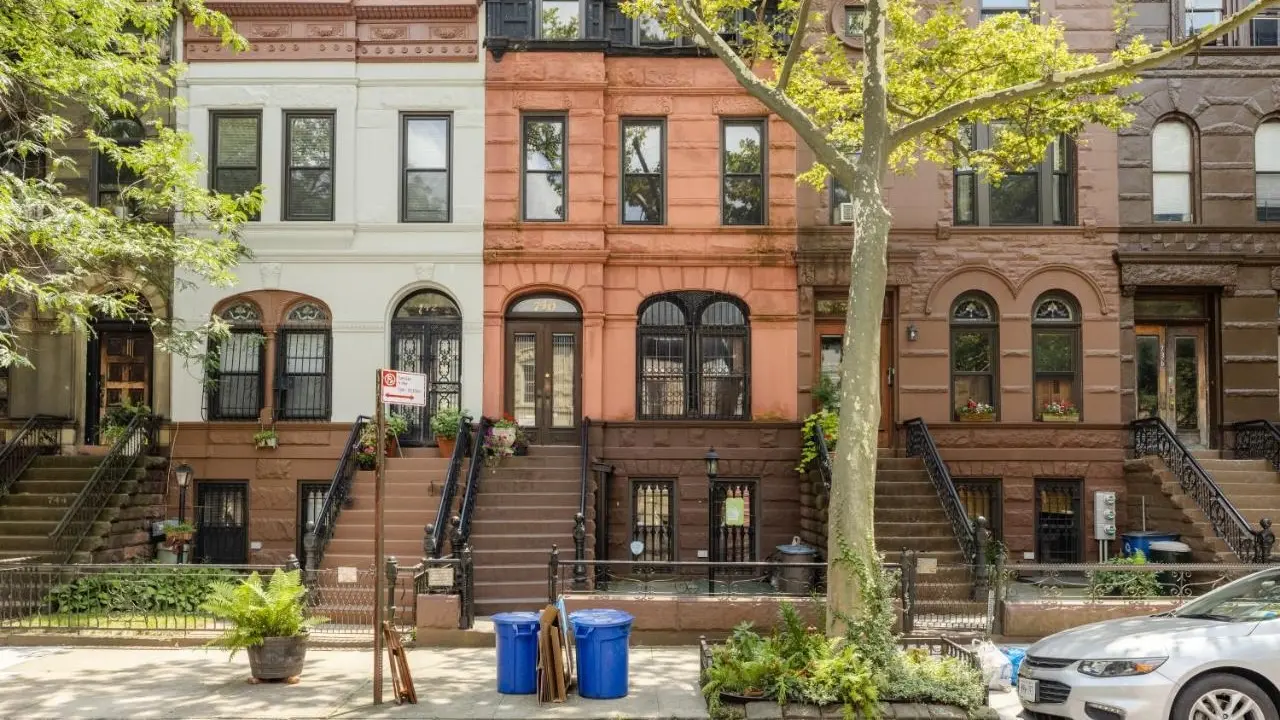
As Manhattan rents teeter near record highs, the city’s housing imbalance is testing the patience—and wallets—of even the most resilient New Yorkers.
It is a dispiriting milestone: in January, the median rent in Manhattan reached $4,695, just shy of the all-time high, and a figure that would have seemed fanciful not long ago. Even seasoned brokers sound weary as they catalogue bidding wars for studio apartments, and prospective tenants queue for showings that resemble a competitive sport. The city’s deep-seated rental crunch, already pronounced, appears immune to gravity.
The latest report from Douglas Elliman and Miller Samuel, market bellwethers, paints the trend plainly. Rents in Manhattan rose 7.9% year-on-year—more than double the pace of national inflation. January saw 5,010 new leases signed, up both annually and from the prior month, yet the available inventory stood at a paltry 7,965 apartments, markedly below last January’s 8,781 units. With mortgage rates stubbornly hovering around 6%, would-be homebuyers have shelved their ambitions and joined renters in competition for a finite number of flats.
What does this portend for New Yorkers? The rental market, never for the faint of heart, has grown even less forgiving. Young professionals forgoing homeownership are left chasing dwindling lists of affordable units; families doubling up in smaller spaces; landlords entertaining multiple suitors for plain-vanilla offerings. Even the more humdrum boroughs have felt the squeeze—in Brooklyn, the median rent last month clocked in at $3,814, up 9% from a year prior; in Northwest Queens, the median has jumped to $3,754, also well above last year’s mark.
These figures are more than a fleeting irritation: they erode the city’s economic buoyancy and sap its status as a magnet for creative and commercial talent. Fewer young adults are able to strike out on their own. Teachers, nurses, and other city workers are boxed out of neighbourhoods they once comfortably inhabited. For businesses, the relentless climb in housing costs bodes ill for recruitment and retention alike.
The spillover effects are by now widely felt, yet difficult to quantify in their entirety. Retail corridors in some quarters remain lively, but others stagnate as residents funnel more of their incomes into rent rather than restaurants or retail. City tax coffers, at least, remain plump off the back of steep real-estate valuations, but at what social cost? More residents are asking, with evident frustration, whether the New York dream can be sustained on such dear terms.
National parallels exist, but New York’s predicament is unusually acute. Across American cities, rents have climbed over the past year, but Manhattan’s leap puts it in a different league—outpacing Boston, San Francisco, and Washington, D.C., even when adjusted for income. The city’s unique blend of global capital and insatiable demand has often kept it ahead of broader housing trends, yet the current market feels less elastic than before.
The culprit is not just demand, but decades of constrained supply. Strict zoning, byzantine permitting, and a surfeit of regulatory hurdles have long hampered construction of new units. Even as appetite for denser, transit-linked living grows, cranes remain a rare sight above the city’s skyline. Efforts to incentivize development, such as the now-expired 421-a tax break, have yielded punctuated bursts of new construction, but not enough to match population flows.
Renters in a holding pattern
Forecasts suggest little will change in the immediate term. Wall Street analysts broadly expect only one or two Federal Reserve interest-rate cuts this year—a tepid response that leaves mortgage rates too lofty for most first-time buyers. As a result, the “lock-in effect” persists: homeowners with low fixed-rates cling to their properties, while newcomers remain consigned to the rental churn.
Politically, the consequences are mounting. Mayor Eric Adams and Governor Kathy Hochul have both called for bolder action on housing, but legislative progress has been glacial. Proposals to streamline new development or legalise “accessory dwelling units” are stalled among competing interests. Without movement, the affordability crisis risks further polarising city politics and fuelling flight among the frustrated middle class.
For New Yorkers, the day-to-day calculus becomes more baroque. Some, buoyed by strong pay packets on Wall Street, can weather the rent hikes. Others cut corners or cast their eyes towards river-adjacent Jersey City, or even Miami, whose siren call grows louder as the city’s cost premium widens. The city’s culture—arts collectives, start-ups, and small-scale entrepreneurship—may absorb the impact for a time, but such resilience is not infinite.
To be sure, New York is no stranger to cycles of unaffordability and adaptation. But data suggest this iteration is not a passing squall. Housing advocates fret that prolonged tightness in supply will permanently reshape the city’s demographics, scaring off the very diversity that has long been its economic backbone.
Comparatively, European capitals like Berlin and Vienna have made more concerted efforts—albeit not without trade-offs—to rein in rents via public investment or stricter regulation. London has flirted with similar woes, yet its own interventions have rarely achieved more than a brief reprieve. New York, in its typical fashion, lurches between bold pronouncements and tepid reforms.
We reckon the city’s rental logjam will not abate until a combination of monetary easing and regulatory overhaul spurs more building, and soon. Hopeful renters may be stuck in a holding pattern for many more cycles of lease renewals. The historic churn that fuelled New York’s dynamism now risks gumming up the works—both for its citizens and its prospects.
Still, New York endures. The city’s housing crisis reveals a metropolis both vibrant and vexed: awash in ambition, starved for space, and stubbornly slow to bend its intricate machinery in favour of the many, not the few. ■
Based on reporting from Section Page News - Crain's New York Business; additional analysis and context by Borough Brief.