Manhattan Rents Top $4,000 as Vacancy Hits Lows and Solutions Run Thin
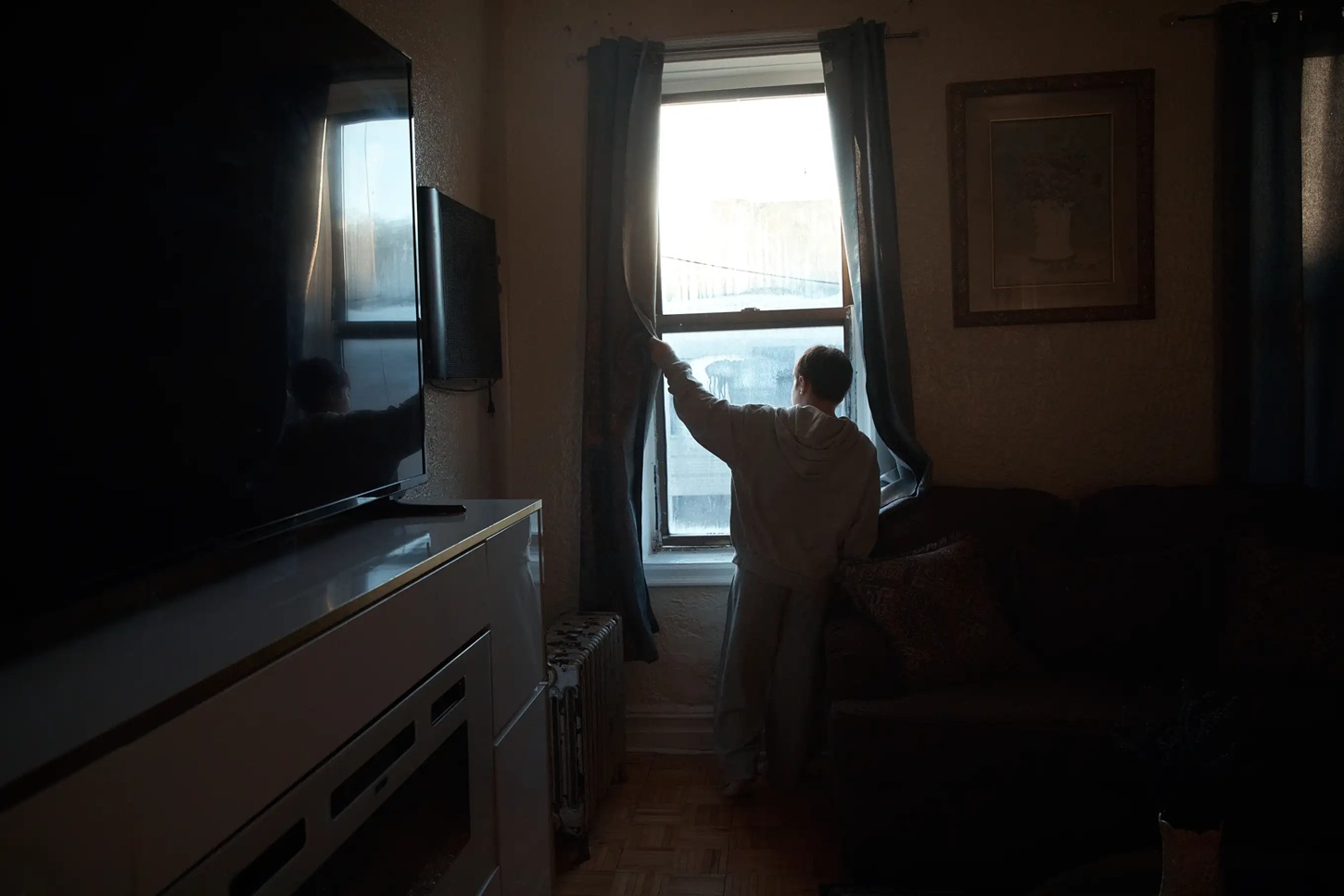
Rents in New York City have breached the $4,000 mark, underscoring a deepening housing crisis with wide ramifications for the city’s residents and economy.
In New York City, an apartment now often costs more than $4,000 a month. That sum—once a borough’s property value, not a monthly bill—has become the new median rent for a studio or one-bedroom in Manhattan, according to recent data from the Associated Press and corroborated by real-estate trackers. The city that never sleeps now finds its tenants wide awake, fretting over housing invoices that dwarf all other expenses.
The story is both familiar and ever more acute. The upward march of rents in New York has long been fodder for dinner-table grumbling, but the numbers of 2026 signal a new phase. Not only have rents entered historically unprecedented territory, but so too has scarcity: the citywide vacancy rate hovers near a mere 1.4%, a figure that would be anemic even for Tokyo, let alone a city celebrated for its housing churn.
Behind the paltry vacancy rate lies a confluence of forces. Population growth, slow construction pipelines, and pandemic-era shifts have compounded demand, just as owners retrench amid regulatory flux and costlier financing. Local officials, notably Mayor Zohran Mamdani, have started sounding the alarm, bemoaning what they describe as “rental abuses” and calling for new limits and protections.
This state of affairs portends hardship for New Yorkers of all stripes—but especially for those with modest means. Housing authorities, including the US Department of Housing and Urban Development, label a rent burden “severe” when a tenant spends more than half their income on shelter. In New York, millions now cross this threshold. For the median household, 30% is spent on rent, with countless thousands surrendering far more each month.
The consequences are not merely financial. As rents bloat, families report cutting back on healthcare, child care, and even basic nutrition to meet the landlord’s demands. The traditional escape hatch—moving further out in search of cheaper rents—has itself narrowed, as formerly affordable neighborhoods in Brooklyn, Queens, and the Bronx have joined the price spiral.
Wages, meanwhile, have limped along. The Census Bureau’s data show median incomes for renters in New York have grown at a timid clip, well outstripped by the galloping cost of living. The result is a tepid sense of optimism: more New Yorkers are employed than at any point since 2019, but few are confident they can keep their homes, let alone aspire to one day own them.
For the city, this crisis inflicts both visible and subtle damage. Small businesses face higher employee turnover as staff are priced out of reasonable commutes. School enrollment, especially in already-strained districts, drops as families decamp for less onerous markets. Planners fret that the gravitational pull of high rents may ultimately sap the city’s vaunted diversity and dynamism.
Political pressure is mounting. Mayor Mamdani’s recent proposals include enforcing stricter rent controls, extending tenant protections, and examining the role of speculative real-estate investments. Critics within the property industry, for their part, warn that such moves risk scaring off development capital, exacerbating shortages. The debate is animated, but the underlying mathematics—the shortfall of affordable housing units—remain stubborn.
Supply constraints put New York at a crossroads
Nationally, housing affordability is eroding, but New York’s plight is particularly acute. Whereas the US median rent now hovers around $2,100, Manhattan’s $4,000 figure represents a quantum leap. Other global metropolises, such as London and Hong Kong, have faced similar housing crunches, but New York’s stagnating construction and tightly regulated market present unique obstacles.
The causes are structural as well as cyclical. Recent hikes in interest rates have made new multi-family construction an iffy prospect, while pandemic-era supply chain hiccups have delayed existing projects. City and state officials acknowledge that building new affordable housing is glacially slow. Nimbyism, zoning strictures, and environmental review requirements often drag approvals out for years, if not decades.
There is, to be sure, no panacea. Other cities have experimented with legalizing accessory dwelling units, tax credits, and upzoning. Some such ideas are now surfacing in New York’s political conversation, albeit tentatively. Still, bolder efforts—such as unlocking swathes of underutilized land or launching public housing on a European scale—remain politically precarious.
The economic implications ripple outward. Rent extraction at this scale slows consumer spending, as households divert discretionary income to housing. Inequality is exacerbated, as only the affluent or those with rent-stabilized leases can count on a modicum of security. New business formation, a metric on which New York has long prided itself, risks a puny future as would-be entrepreneurs struggle with both commercial and residential overheads.
What, then, can be done? The data suggest that even robust tenant protection cannot conjure supply ex nihilo. Nor will exhortations alone persuade property developers to build at a loss. What is needed—and what New York’s polity has only occasionally mustered—is a seriousness of purpose about adding housing at all price points, along with a willingness to trim the Gordian knot of local obstructions.
It is a familiar refrain in the metropolis: crisis begets debate, debate begets modest reform, and reform is invariably outpaced by the next crisis. Yet the current epoch feels different. With rents at skyscraping levels and vacancy at rock bottom, the moment for incrementalism may have finally passed.
If ever New York is to reclaim its identity as a city for everyone rather than the privileged few, it must summon the tenacity—and, yes, the humility—to rethink its approach to housing. The numbers brook little delay. For now, though, the city’s renters must hope that relief arrives before the next rent bill does. ■
Based on reporting from El Diario NY; additional analysis and context by Borough Brief.