Mayor Mamdani Floats First Citywide Property Tax Hike Since Bloomberg as Albany Balks
New York’s new mayor faces a daunting budget gap—his solution may leave millions of homeowners footing the bill.
A number not seen since the Bloomberg era looms once again: an across-the-board property tax increase for New Yorkers, floated for the first time in two decades. On June 11th, newly elected Mayor Zohran Mamdani presented his maiden budget to City Hall, wielding stark warnings: a yawning $12 billion cash crunch over two years, of which $5.4 billion still needs plugging, and few choices to fill the hole unless Albany comes to the table. “If we cannot follow this first path, we will be forced onto a much more damaging path of last resort, one where we have to use the only tools at the city’s disposal, raising property taxes and raiding our reserves. The second path is painful,” Mamdani intoned, signaling the gravity of the fiscal moment.
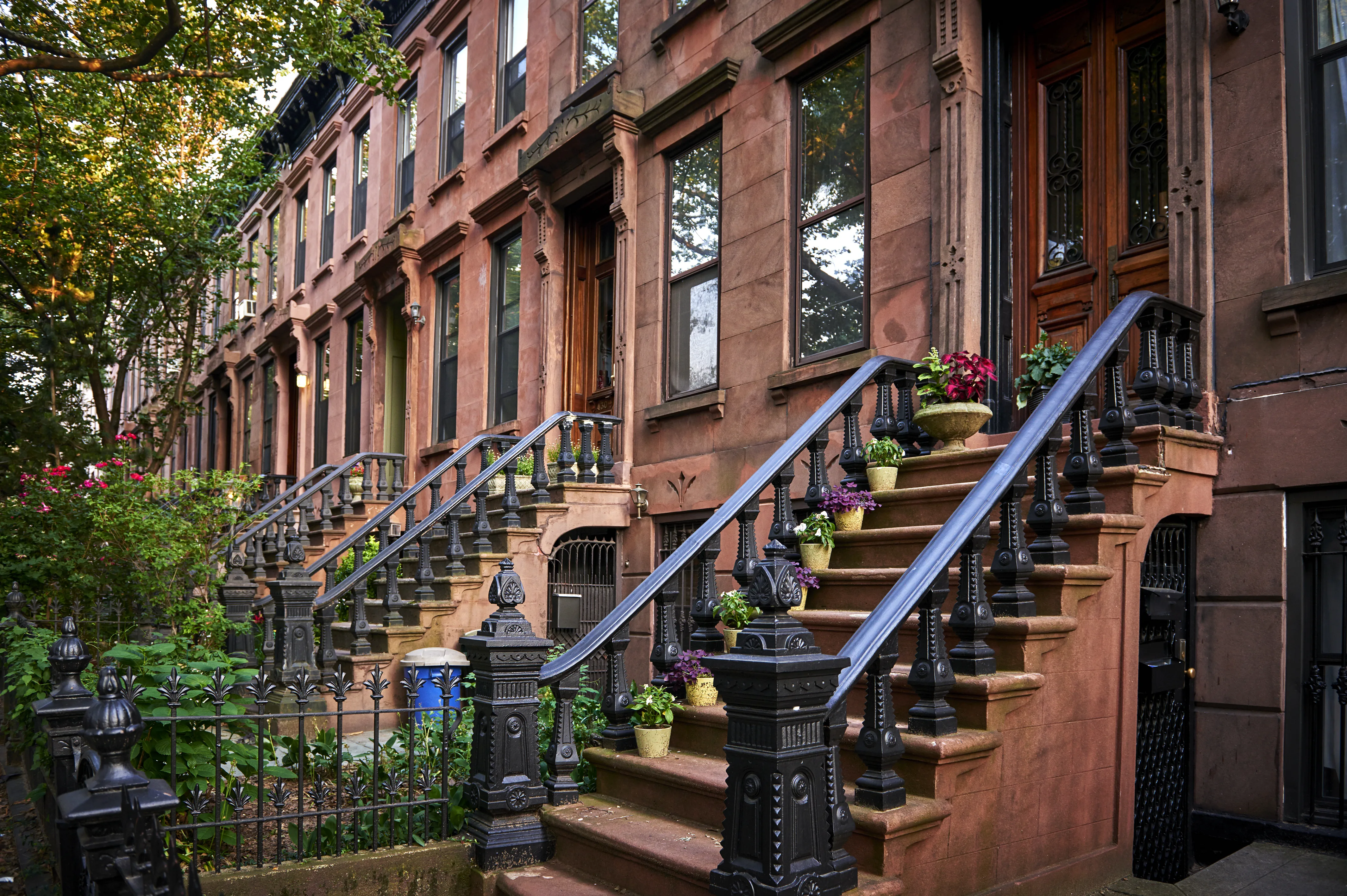
The mayor’s preferred fix is less dramatic for most: a state-level hike on top earners—a perennial progressive wish—but one Governor Kathy Hochul coolly rejected at a separate event, stating, “I’m not supportive of property tax increases. I don’t know that that’s necessary.” Bereft of state largesse and facing tepid enthusiasm for taxing the rich, Mamdani now gestures toward a fallback strategy: the first citywide property tax rise since the early aughts. Owners of brownstones in Park Slope and row houses in Queens alike could see their tax bills swell come 2025.
For a city where roughly half of all properties are residential, the prospect is no small matter. Property taxes, though seldom popular, are among the few tools under the direct control of City Hall. Mamdani’s threat is not an idle one; political cover comes from New York’s historical fondness for progressive taxation, but resentment among homeowners—many of whom are already squeezed by puny wage growth and buoyant mortgage rates—bears watching. The housing market, already cooling in the face of national economic headwinds, could suffer further as tax burdens rise.
Nor would renters escape entirely unscathed. Though tenant advocates are quick to decry any suggestion of “trickle down,” economists and landlords agree that higher carrying costs for owners will, in time, percolate into higher rents. This, in a city already notorious for astronomical living costs, bodes ill for its much-vaunted diversity.
The mayor’s approach is no less ambitious elsewhere. Instructing agencies to carve out 2.5% in savings “without starting to inhibit city services,” Mamdani promises restraint—up to a point. But he is loath to tap the brakes on new hiring, or on police spending, particularly with an eye on the upcoming FIFA World Cup (which, naturally, will require more security and overtime than ever). Here, too, the calculus is political: with business leaders and security-conscious voters alike watching, Mamdani is unwilling to risk bad headlines in the name of austerity.
If the numbers sound gloomy, critics waste no time pointing to alternatives. Andrew Rein, head of the Citizens Budget Commission, reckons the administration ought to look harder for cuts, rather than threatening to “blackmail” Albany or city homeowners. “There is a third option. It should be on the table, in fact it should be the first option that should be on the table,” Rein said, pointing to school spending as a prime candidate for scrutiny. That city spending on education continues to surge even as some schools face closure—thanks to an expensive, state-mandated class-size law—chafes many fiscal conservatives.
Between a high-tax city and a hard place
Mayor Mamdani’s uneasy choices reflect the constraints of New York’s governance model. New York City, despite its image as a global metropolis, remains oddly at the mercy of Albany. Only the state legislature can widen the revenue lens, such as by approving higher taxes on the wealthy. But sustained opposition from Governor Hochul—a moderate Democrat with her own upstate political calculus—and a statehouse wary of scaring away the city’s remaining millionaires has left Mamdani with precious little leverage.
Nor are New York’s fiscal travails unique. Large American cities from San Francisco to Chicago face similar dilemmas: pandemic-era revenues are drying up, federal Covid aid has largely ended, while social and political expectations remain stubbornly high. With inflation persistently eroding budgets, and voters loath to accept either major spending cuts or abrupt tax hikes, the urban compact is fraying nationwide.
Still, New York’s dependence on property taxes—comprising some 44% of municipal revenues, per the Independent Budget Office—renders it peculiarly vulnerable. A blunt tax hike fattens the city’s coffers in the short run, but risks longer-term damage to both its competitiveness and social fabric. Households looking for more predictable, less confiscatory tax regimes may yet look across the Hudson or to the Sunbelt, eroding the city’s vaunted tax base.
We reckon that Mayor Mamdani’s stance portends more brinkmanship than solution. To be sure, closing a multi-billion-dollar gap without help from Albany is a punishing assignment. But ratcheting up property taxes, absent more rigorous spending discipline, is a clumsy fix—one that spreads short-term pain widely, even as core cost drivers remain unaddressed. New York’s storied ability to muddle through may buy Mamdani some time. Yet absent genuine reform—of labor contracts, procurement, or the city’s byzantine property-tax structure—increases on either the rich or the rest will beget diminishing returns.
Fiscal trials have rarely cowed New Yorkers or their leaders. But this is a test not only of statecraft, but of the city’s collective willingness to confront wobbly assumptions and vested interests alike. Whether Mamdani’s hardball gambit spurs genuine, lasting reform—or merely another round of budgetary whack-a-mole—remains to be seen. For now, those holding the keys to the city’s many homes find themselves bracing for an old nemesis: the city’s untamable tax bill. ■
Based on reporting from NYC Headlines | Spectrum News NY1; additional analysis and context by Borough Brief.