Netanyahu Claims Khamenei May Be Dead After Tehran Strike, But Iran Stays Mum
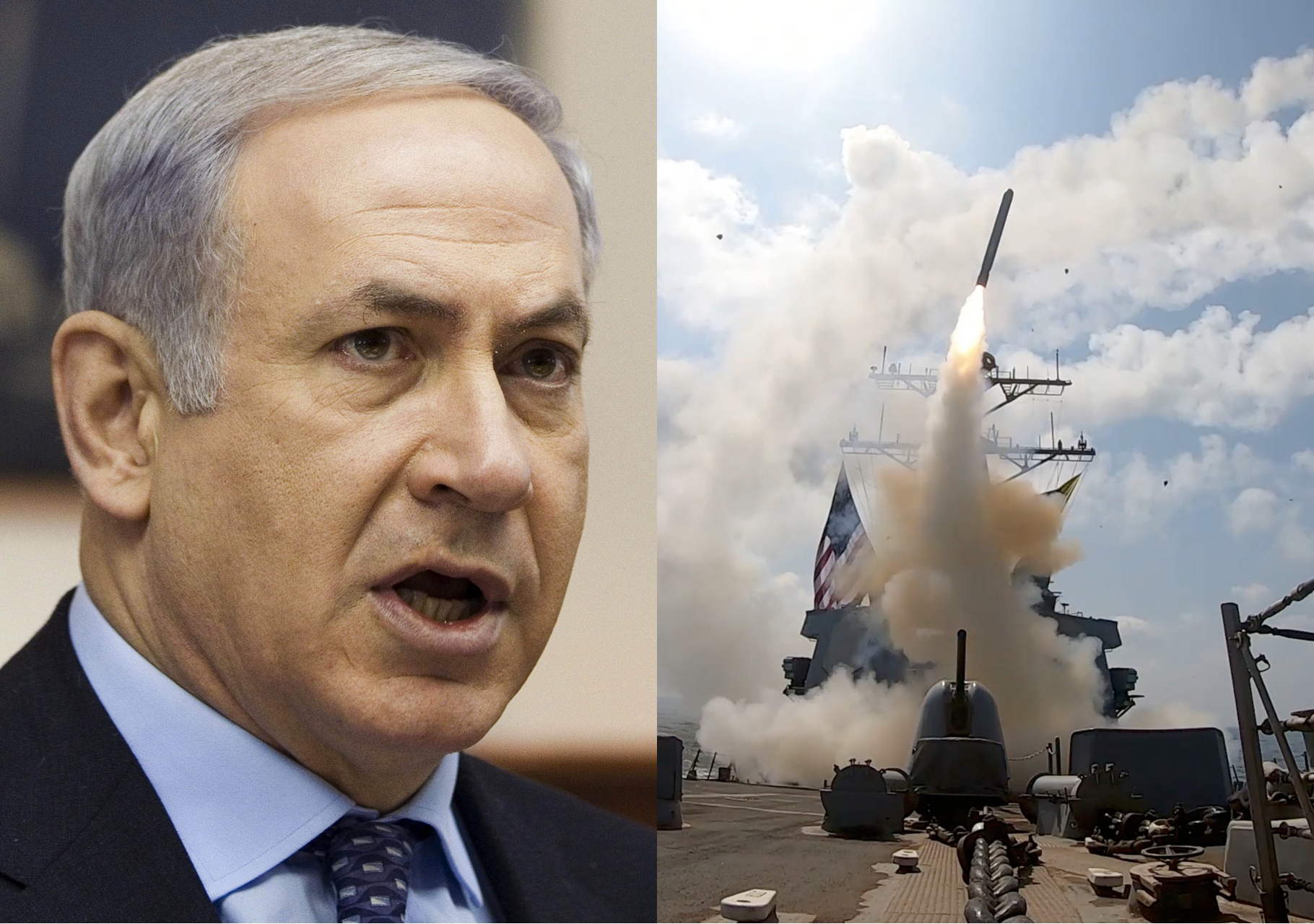
The possible death of Iran’s supreme leader after an alleged Israeli-American strike has ramifications far beyond Tehran, reverberating from New York City to nervous capitals worldwide.
The news did not break; it exploded. On June 15th, Israeli Prime Minister Benjamin Netanyahu stood before television cameras to proclaim that the Ayatollah Ali Khamenei—Iran’s elusive supreme leader—may have perished after a purported strike on his residence in Tehran. With an air of triumph, Mr. Netanyahu offered that the “plan to destroy Israel no longer exists,” hinting at seismic shifts in the geopolitics of the Middle East.
Little in the ensuing hours clarified matters. Iranian authorities remained stubbornly evasive: “No puedo confirmar nada,” demurred their foreign ministry spokesman, while official media insisted that Khamenei, 86, remained very much in command. The fog of war, that ever-reliable shroud, quickly descended, crowding out both certainty and nuance. Yet the whiff of regime crisis blows east and west, its effects landing in places as far-flung as Midtown Manhattan.
New York City, no stranger to international drama, finds itself once again cast as a stage for global shocks. Its Iranian-American community—roughly 45,000 strong, and centred in Great Neck and northern Queens—follows the events obsessively, fielding anxious calls from relatives and scanning Farsi-language Telegram channels for scraps of truth. The uncertainty is not academic: New Yorkers remember the aftershocks of the U.S. killing of Qassem Soleimani in January 2020, when security bulletins and mosque closures proliferated across the city.
The first-order effects of such a strike—the possible decapitation of the theocratic leadership in Tehran—ripple locally. Within hours, the FBI raised its terror threat alerts across major American cities, including New York. Police presence around synagogues, mosques and consulates increased overnight. Law enforcement, burned by past lapses, is bracing for both lone-wolf reprisals and waves of misinformation that could spur isolated panic or hate crimes.
City Hall faces a delicate dance. Mayor Eric Adams, juggling housing crises and budget squeezes, now must reassure a profoundly international city that security and civil liberties remain in balance. Advocacy groups such as the New York Civil Liberties Union have urged police restraint, wary that “emergency” measures can persist long after the cameras depart. The city’s current penchant for visible street policing, always more pronounced after major terror scares, is likely to grow.
Second-order effects will be felt in the city’s economics and its politics. The global oil market, ever skittish, is tightly wound around the fortunes of the Gulf. The mere rumour of leadership collapse in the world’s eighth-largest oil producer has already propelled crude prices upward—a $5 bump per barrel overnight—delighting speculators and alarming Uber drivers in equal measure. For a city where nearly everything, from groceries to taxi fares, is indexed to the cost of fuel, this bodes poorly for household budgets.
Politically, the response to a possible Israeli-American operation reverberates in curious ways. Progressive politicians such as Councilman Zohran Mamdani, fresh from an ill-timed visit to Iran and quick to denounce the attack, reveal the contradictory pulls on the city’s fractious Democratic coalition. The context—Mr. Mamdani’s pivot from pressing for New York’s housing subsidies in Tehran to condemning President Trump’s “unprovoked” military ventures—was not lost on the city’s wryest Twitter users.
International events like this invariably expose the cross-currents of New York’s globalised society. Synagogues and Iranian cafes alike now stand more wary, staff wondering if heightened police presence portends new friction or quiet. Recent history offers few reassurances. Crackdowns on Iran’s diaspora after the 1979 revolution, or spikes in anti-Semitic and Islamophobic hate crimes after the Trump administration’s 2017 “travel ban,” have left communal nerves irreparably raw.
The city’s financial sector will not remain insulated. Sanctions-watchers at JPMorgan and Goldman Sachs will parse Treasury Department guidance for the latest on Iran’s “integrity and territorial sovereignty,” as stated by the uncharacteristically taciturn Esmail Baghaei at Iran’s foreign ministry. Wall Street, which sold off emerging-market assets in early trading, remains alert to any escalation that might further rattle the global economy.
The Middle East’s volatility, New York’s vulnerability
What distinguishes this moment is uncertainty’s persistence. The possible exit of Khamenei—a figure who has shaped Iranian policy for more than three decades—could usher in either chaos or détente. Iranian hardliners may tighten their grip, or, just conceivably, reformists may exploit the vacuum. Meanwhile, Netanyahu’s address urging the “people of Iran” to “rise up and complete the task” of regime change smacks more of wishful thinking than sober analysis. Revolutionary Guard commanders are not known for their passivity, and reports of further Israeli strikes loom.
Comparisons to past Middle Eastern shocks abound, but there is reason for caution. The toppling of Saddam Hussein in 2003, widely expected to usher in a liberal Iraq, instead stoked instability that consumed American policy for a generation. New Yorkers would do well to remember that distant thunderclaps often bring local storms: the intelligence failures and legal debates over “unprovoked aggression” (as noted in legal analysis) echo arguments rarely resolved to anyone’s satisfaction.
Globally, the episode illustrates the hazards of kinetic policy in the absence of transparent intelligence. American involvement—denied, as usual, in official Pentagon statements—will only heighten Washington’s headaches in regions ranging from the Strait of Hormuz to the UN’s East River headquarters. Diplomats now scramble to avert wider escalation, even as hawks urge ever-broader offensives. For now, New York’s United Nations delegation is likely to see a spike in frantic lobbying, and its streets in nervous watchfulness.
We remain sceptically hopeful. The demise—or survival—of an 86-year-old ayatollah may not, in itself, change the region overnight. But the episode reminds New Yorkers and their leaders of the fragility underpinning both global security and domestic tranquillity. Grandiose televised messages seldom substitute for serious diplomacy, nor do street protests in Tehran reliably topple regimes. For now, ambiguity reigns.
Should confirmation of Khamenei’s death arrive, both opportunity and peril will follow. Few New Yorkers have patience for more distant entanglements, yet the city’s fate remains unavoidably intertwined with geopolitical tempests. If nothing else, the events mark a test—for intelligence agencies, for the discipline invoked by Mr. Netanyahu, and for the resilience of a city that ever lives at the world’s crossroads. ■
Based on reporting from El Diario NY; additional analysis and context by Borough Brief.