New York Logs a Top-Ten Snowfall as Staten Island and Bronx Dig Out, Lights Flicker
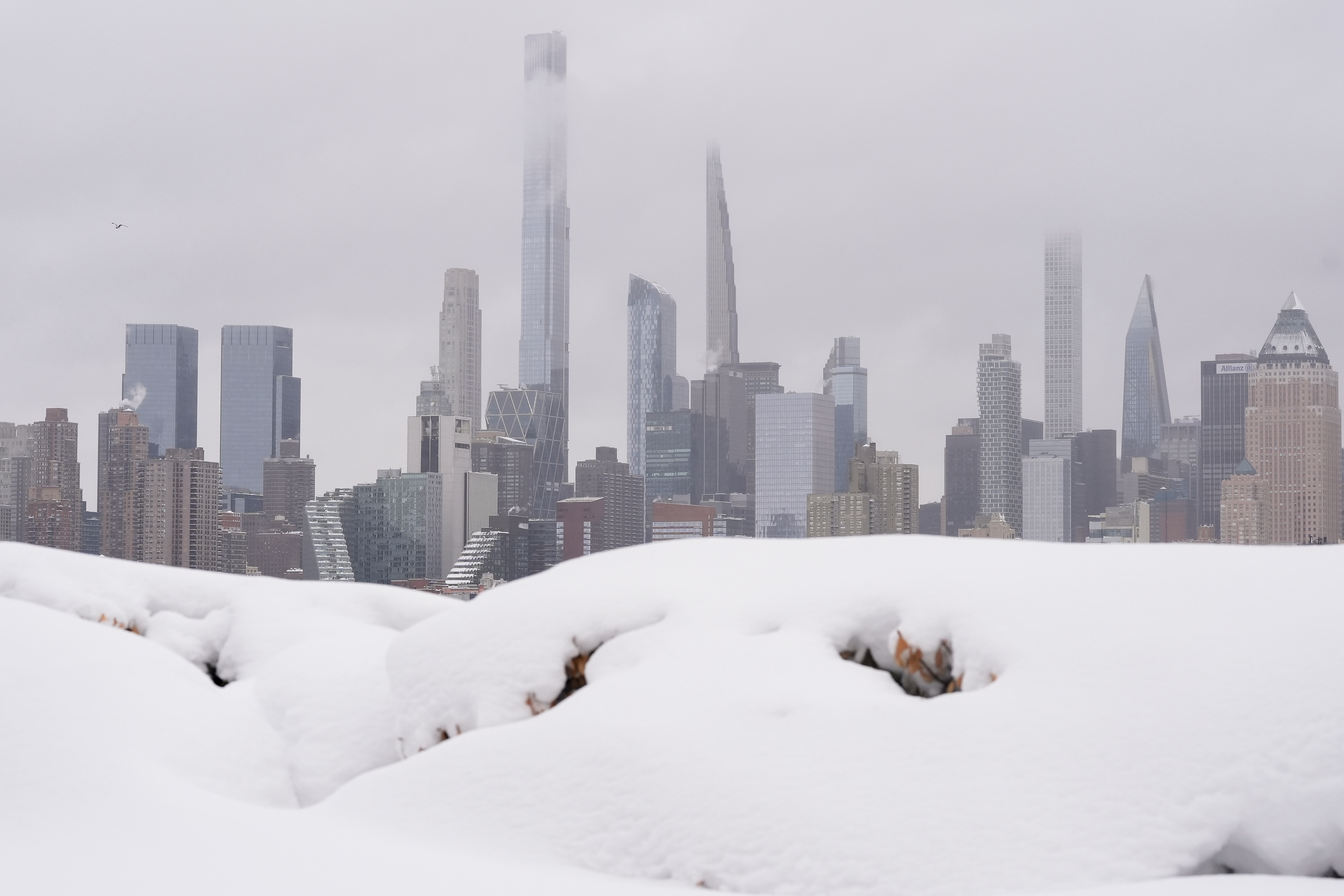
New York’s mightiest snowstorm in years tests the city’s resilience and exposes the vulnerabilities of urban infrastructure in a warming world.
It takes a sizable snowstorm to stall a city renowned for its implacable hustle. Yet, by Monday morning, over a foot of snow smothered much of New York City, with Staten Island and the Bronx bearing witness to drifts exceeding 13 inches. Nearly 14,000 flights across the United States were grounded. Even the city’s famously dogged subway slipped and sputtered.
What is now officially among the ten largest snowfalls in New York’s meteorological chronicles began on an otherwise unremarkable Sunday, only to strengthen as gusts reaching 60 miles per hour scoured the five boroughs. “Whiteout” conditions turned once-familiar street corners into wintry labyrinths. In response, Mayor Zohran Mamdani and Governor Kathy Hochul swiftly declared a state of emergency, triggering citywide bans on nonessential vehicles and placing much of the metro area, including swathes of Long Island and New Jersey, in a state of forced idleness.
As more than 250,000 homes and businesses from Boston to Washington, D.C., lost power—20,000 of them in New York and Long Island alone—the city’s famed bustle faded to a muffled hush. Fortunately, despite the storm’s ferocity, no fatalities were reported at press time—a testament, perhaps, to better forecasting and public compliance than during infamous disasters past. Nonetheless, trains and buses stood stilled across the map: the Long Island Rail Road suspended all service, while NJ Transit and Metro-North ran on schedules better suited to lazy bank holidays than disaster response.
The mayor’s imposition of a travel ban, lasting well into Tuesday in some places, may irk snowbirds and shopkeepers alike, but it is a rare measured step. The risks are real: roads alternated between treacherous and impassable, especially further out in the boroughs, where plows arrive late and poorly. Electrical substations and aged wiring buckled under the twin burdens of wind and weighty snow. The city’s snow-removal crews, typically hailed as the world’s swiftest, now found their resources stretched as the snow simply refused to let up.
The economic cost will be, in local terms, significant if not catastrophic. Flight cancellations mean lost tourism dollars—on the order of tens of millions nationwide—while grounded commuters stymied already tepid January sales at street-level businesses. For hourly workers, especially in the outer boroughs, each forced day indoors bodes a fractionally lighter pay packet. The storm, inevitably, will disproportionately burden those living furthest from the city’s center, where social services take longer to reach and utility failures linger.
Urban infrastructure, for all its pretenses to modernity, was shown up as both robust in places—witness the subway’s relatively quick reemergence—and puny elsewhere: Long Island and New Jersey’s suburbs were far slower to regain basic services. The sheer geographic sweep of the storm strained regional cooperation, as agencies coordinated response efforts across multiple states, each with its own priorities and resources. New York’s performance compared favourably to past debacles, such as the blizzard of 2016, but key arteries—airport tarmacs, above-ground railway lines—remained fragile chokepoints.
Climate challenges on ice
Yet this storm’s most piquant lesson may be meteorological. As climate patterns shift, winters in the city have grown erratic: fewer snowfalls overall, but those that do arrive are more intense. Recent winters have alternated between paltry dustings and gargantuan single incidents. Scientists suggest that a warming Arctic can destabilise atmospheric currents, increasing the likelihood of these “blockbuster” blizzards even as average winters become less snowy. The city is learning, sometimes painfully, to adapt to more capricious extremes.
There is, we reckon, a policy paradox at play. The machinery for managing snow sprawls across public and private hands—municipal plows, contracted crews, homeowner shovels—while the consequences of failure land squarely on the most vulnerable: the elderly trapped indoors, schoolchildren facing weeks of disruption, renters in buildings slow to regain heat and light. Upgrading electrical grids and weatherproofing rails will require more than brisk mayoral press conferences or fitful injections of federal emergency aid. Chronic underinvestment in redundancy and resilience transforms days like this into costly recurring spectacles.
Comparatively, New York is not alone. Boston, Philadelphia, and Washington all reported heavy accumulations and power loss. Globally, major cities from Tokyo to Toronto contend with the quirks of climate variability, but few balance so many disparate demands in so compact and vertical a space. The city’s ability to restore function swiftly bodes well for its global standing, and offers a playbook—if not a foolproof one—for other metropolises. New Yorkers themselves, ever inventive, find newly imaginative routes through their frozen streets; for some, a crisis is merely a prompt for commerce in shovels and salt.
Optimism is not unwarranted. New Yorkers, long accustomed to nature’s best and worst, display a knack for collective improvisation. But dry wit aside, this winter’s tempest is a harbinger: cities can plan their way out of average winters, but not of record-breaking ones. The gap between the two is where unplanned costs, human and economic, quietly accrue. After the snow melts, the city would do well to tally up not just what it survived, but what it might still lack.
Such frequent reminders of metropolitan fragility should spur overdue investments in hard infrastructure and frictionless regional cooperation. Doing so, however, requires the kind of political stamina more rare than winter sunshine. There is little glory in preventative policy compared with the photo ops of disaster response, but, as the saying nearly goes, an ounce of anticipation is worth a ton of snow.
For now, New York will dig out and carry on, as it always does—chastened, inventive, and, one hopes, marginally wiser the next time flakes begin to fall. ■
Based on reporting from El Diario NY; additional analysis and context by Borough Brief.