Nuevos Requisitos Laborales de SNAP Cambian las Reglas para Solicitantes Entre 18 y 64 en Nueva York
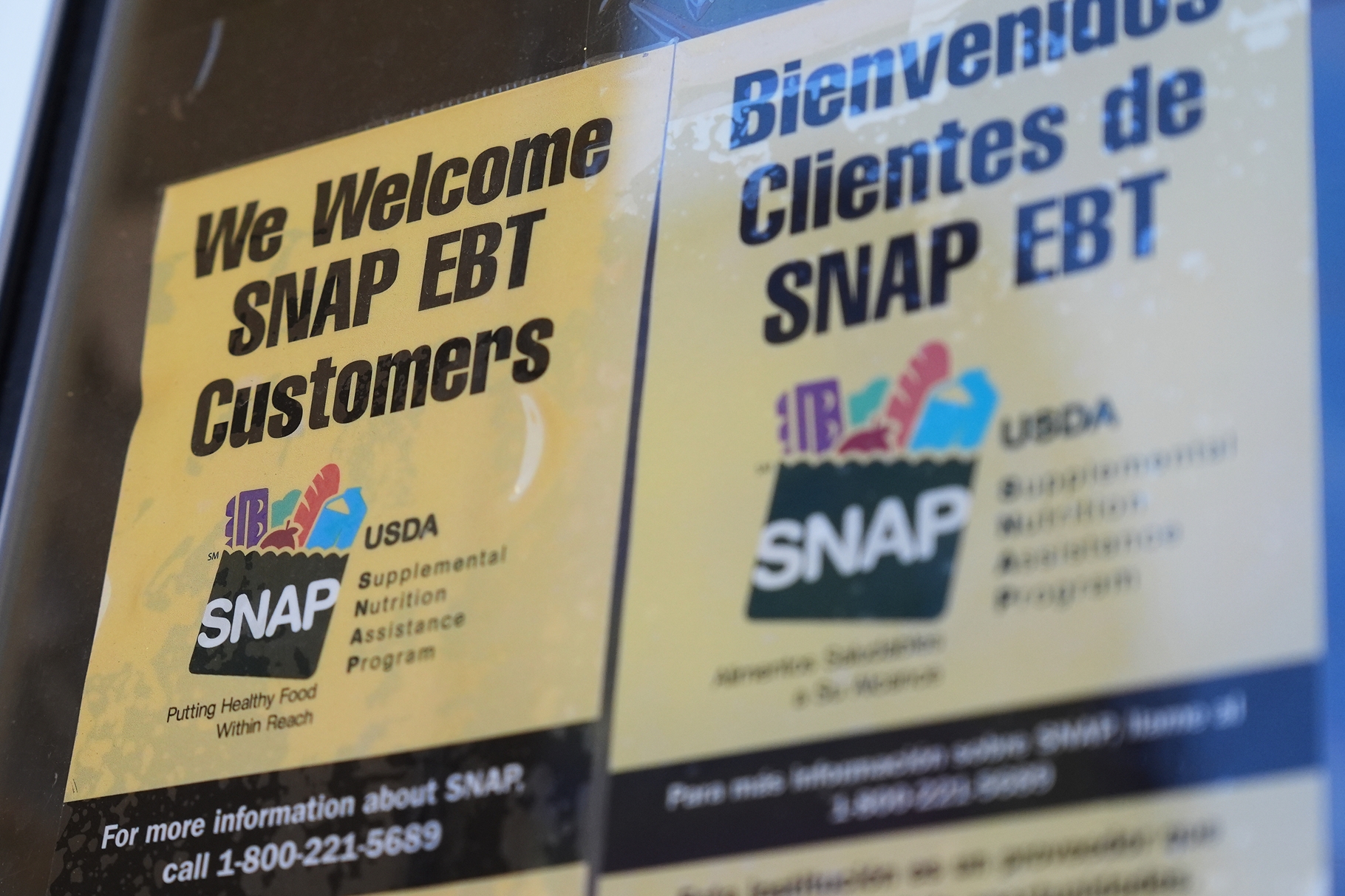
New federal work requirements for food-stamp recipients portend tougher choices for thousands of vulnerable New Yorkers facing soaring living costs.
For more than 1.7 million New York City residents, the monthly jolt of funds from the Supplemental Nutrition Assistance Program (SNAP) is as essential as the MetroCard. But on March 1st, the ground shifted under many of them, as federal work requirements for so-called “Able-Bodied Adults Without Dependents” (ABAWDs) quietly snapped back into place across the five boroughs. Overnight, thousands faced the prospect of losing a lifeline unless they could clock in for 80 hours of work, training, or volunteering each month—no small task in a city that prides itself on opportunity, but rarely on simplicity.
The rules themselves are not new; they were first imposed in 1996, then shelved during the pandemic, and long exempted in much of New York. Now, with the expiry of the state’s waiver and the return of the federal regime, SNAP recipients aged 18 to 64 without children under 14 must either find qualifying employment or equivalent activity—or face a strict three-month limit on benefits within three years. Letitia James, New York’s attorney general, made the stakes plain in a March 4th warning: the changes could “increase food insecurity at a time when essential items remain stubbornly expensive.”
Officials maintain that safety valves remain. Pregnant women, primary caretakers for dependents, and those with disabilities are exempt, as are those earning over $217.50 per week—hardly a princely sum, but above the program’s austere bar. All others are urged to seek out employment programs, document their hours, and, if needed, ask for waivers where warranted. Yet, as anyone familiar with the city’s bureaucratic labyrinth knows, compliance is often its own hurdle.
The immediate consequences seem clear: significant numbers of New Yorkers will be forced to scramble for qualifying work at a moment when the labour market wobbles beneath the weight of retail closures, inflation, and persistent underemployment among lower-skilled workers. The city’s Human Resources Administration estimates that tens of thousands are newly subject to scrutiny, many of whom face irregular informal work or barriers to securing hours on paper.
The city’s food safety-net, already strained by high grocery bills and a faded pandemic-era social safety net, now faces fresh pressure. Charities—from the Food Bank for New York City to local mutual-aid pantries in the South Bronx—report rising lines and diminishing supplies. According to Feeding America, food insecurity among city households ticked up to 14% in 2023. SNAP’s drawdown may push those numbers yet higher.
For those on the ground, the rules engender a sense of tightrope walking. The prospect of being cut off from food aid—potentially due to missed paperwork or a lost work-study placement—bodes ill, particularly for the city’s young adults who have aged out of foster care, and older adults facing both age discrimination and the shifting sands of low-wage work.
The economic arithmetic is equally unforgiving. Even as unemployment in New York City hovers near 5.2%, subgroups—such as black and Latino adults in the outer boroughs—face rates twice that. The requirement for formal, documented work hours can elude many who scrape by with odd jobs, cash-in-hand gigs, or caregiving under the table. For the 60,000-odd recipients at risk, slipping through the cracks could mean both greater hunger and rising reliance on costly emergency interventions.
Nor is the return of the work mandate merely bureaucratic tinkering; it carries political freight. For progressives, the threat to SNAP benefits is a totem for the erosion of the social contract in a state that styles itself as a haven for the vulnerable. For centrists and conservatives, it is a long-sought guardrail meant to nudge employable adults off welfare dependence and into the ranks of taxpayers. In an election year, with Congress sharply divided over federal entitlement spending, neither side relinquishes rhetoric easily.
Nationally, New York’s experience is far from unique. As of September 2023, at least 32 states had shed waivers and tightened SNAP’s reins, hitting states from Texas to Illinois with similar deadlines and documentation requirements. In each, the debate follows familiar grooves: critics point to administrative burdens and pitfalls for the working poor; backers tout jobs programs and declining caseloads as evidence of prudent stewardship. Early studies offer conflicting omens: some find meagre gains in workforce participation, others note sharp upticks in food insecurity and negligible impact on earnings.
Mixed incentives in the American welfare state
Outside America, such means-testing is closer to the rule than the exception, but New York’s predicament is decidedly American in character: generous commitments hedged by intricate eligibility rules and a preference for in-kind aid over unconditional cash. The new requirements, while routine in theory, look much messier in practice. From a classical-liberal perspective, the logic is appealing—reward work, discourage idle subsidy, and encourage self-reliance. But the city’s patchwork labour market and punitive cost of living mean that reality rarely matches theory.
The minimal earnings hurdle, barely $218 a week, is unlikely to tempt large-scale work avoidance. On the contrary, its chief effect may be to penalise those who cannot clear the city’s demanding schedules, or those navigating a gig economy where hours are uncertain and documentation elusive. Meanwhile, the administrative burden falls as much on caseworkers and already-overwhelmed community organisations as on the recipients themselves. If the goal is to foster durable transitions out of poverty, the measure risks missing the mark: intermittent work, volatile incomes, and sporadic support all but guarantee a revolving door in and out of the program.
So where does this leave New York? The city’s tradition is one of resilience and adaptation, but also bureaucratic inertia. We reckon the new SNAP requirements will generate a surge in appeals, increased strain on food charities, and much hand-wringing from policymakers. Some will secure jobs—or at least paperwork; others will slip from view, as assistance recedes and costs persist. For now, Attorney General James’s admonitions may help a lucky few navigate the maze. For many more, the next trip to the supermarket will bring the limits of government reform into sharp relief.
In the long run, incentives matter—but so do institutions and the structure of opportunity. In 2024’s New York, the test will be whether a nudge toward work delivers mobility, or only more hunger in the city that never sleeps. ■
Based on reporting from El Diario NY; additional analysis and context by Borough Brief.