Nurses Return to Mount Sinai and Montefiore as Strikes Persist at NewYork-Presbyterian
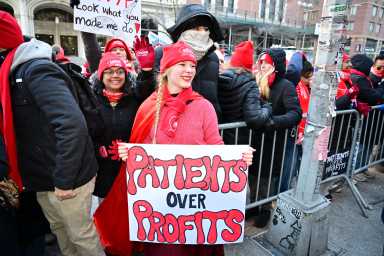
The end of New York City’s largest nursing strike in decades offers guarded hope for public health, labor relations, and the city’s strained healthcare system.
At 7 a.m. on a chilly Saturday morning in February, the city that never sleeps woke to see white-coated columns of nurses abandoning picket lines for hospital corridors. Over 10,000 staff nurses returned to Mount Sinai and Montefiore hospitals, marking the denouement of a disruptive, month-long walkout—the largest in recent New York City memory. For patients, administrators, and the nurses themselves, the return to routine provided welcome, if incomplete, relief.
The labor stoppage cleaved through the city’s hospitals for weeks, paralysing key departments, forcing managers to scramble for temporary staff, and testing the limits of public patience. The original dispute, led by the New York State Nurses Association (NYSNA), centered on wage stagnation, threadbare staffing levels, and the gnawing prospect of burnout. While Mount Sinai and Montefiore have now forged agreements with their nurses, the sidewalks outside NewYork-Presbyterian Hospital remain lined with more than 4,200 striking caregivers—evidence that the healing is, for now, only partial.
The hard-won truce at two of the city’s marquee hospitals does not mask the deep fissures exposed by the strike. Patient backlogs have swelled, elective surgeries were postponed, and administrators warn that returning to “normal operations” may take weeks. Dr Brendan Carr, chief executive of Mount Sinai Health System, struck a conciliatory note, thanking all involved for navigating the tumult. The resumption of regular shifts, he said, must be matched by renewed focus on care and efficiency.
The new three-year contracts offer annual pay increases of just over 4%, totalling a rise of more than 12% over the life of the agreement—enough, NYSNA reckons, to strengthen both recruitment and retention. The documents also contain enforceable staffing ratios, pledges on workplace safety, and the maintenance of existing health benefits. If fulfilled, they would redress many long-standing nurse grievances—though, as ever, the devil will lurk in the details of implementation.
For city residents, many of whom were forced to navigate rescheduled treatments or diminished care, the strike has underscored a perennial conundrum: how to ensure a high standard of hospital care without straining municipal finances. Hospitals, already reeling from the pandemic’s aftershocks, must now absorb the increased labour costs while confronting uncertain revenue and an unrelenting demand for services. While nurses laud safe-staffing as a victory for patient care, hospital bosses mutter darkly about balance sheets already stretched to translucency.
Yet the implications reach further than hospital corridors. For New York, the labour action spotlights persistent turbulence in frontline professions: chronic understaffing, staff turnover, and the unrelenting squeeze on public services. At Montefiore, officials lamented how the region’s high living costs have made nurse recruitment increasingly fraught. Public satisfaction with healthcare, always a barometer of civic health, risks further erosion if disputes of this scale become routine. Unions, exultant at having wrung concessions from management, may well seek to export the model to other city agencies or sectors.
On the other hand, NewYork-Presbyterian’s ongoing standoff signals that the détente is precarious, and consensus remains elusive. While NYSNA’s president Nancy Hagans hails the ratified contracts as a bulwark for both patients and practitioners, she also called for continued solidarity with nurses still out on the picket line. The city, for its part, faces the awkward prospect of sporadic labour unrest in the very institutions critical to public well-being.
Lessons from the front: New York and beyond
The city’s unrest is far from unique. Similar disputes have surfaced from California to the United Kingdom, as exhausted clinical staff seek to claw back pay and staffing ratios lost to years of austerity and pandemic attrition. Britain’s own nurses’ strikes, for instance, have forced the National Health Service into costlier staffing arrangements and bruising labour negotiations. American hospitals—often private, fragmented, and less lavishly funded with public cash—have even less room to manoeuvre.
For hospital executives and city policymakers, the fracas may portend a period of heightened labor activism among healthcare staff. Mayor Eric Adams’s administration, nominally a bystander but keenly aware of constituent disquiet, will now find itself pressed to support both better-funded hospitals and responsible budget management. The contracts’ 4% annual rises, if matched citywide, could nudge up public sector wage inflation—a modest tailwind for affected workers but one more straw on the fiscal camel’s back.
The city’s healthcare economy, a $100 billion giant that employs over half a million New Yorkers, has always hewn to fragile equilibriums between cost, care, and staff morale. Puny pay packets and chronic overwork threaten not merely union harmony, but also systemic performance—already precarious after three pandemic years. As the city seeks to restore urban dynamism and draw back population lost since 2020, confidence in essential services remains a linchpin.
Viewed through a national lens, New York’s strike will embolden nurse unions elsewhere to escalate demands for enforceable minimums on staffing and pay. Hospital operators, ever mindful of margin compression, are likely to lobby for legislative or regulatory relief. Should the dominoes fall widely enough, federal policymakers might be nudged—however sluggishly—toward national minimums for nurse staffing or labor protections.
The upshot for New Yorkers is a begrudging optimism. The sight of nurses streaming back into hospital wards is surely reassuring. Yet, much work remains in translating contractual language into improved bedside care, and in ensuring that fragile gains do not unravel at the next budget crunch. Secure, motivated nursing staff are good for everyone; bloated payrolls at financially tottering hospitals, rather less so.
Ultimately, the walkout and its uneasy settlement remind us of the persistent tension between the needs of skilled workers and the fiscal realities of large, urban institutions. For now, the pulse in hospital wards is steadier, the staff less harried, and the patients better cared-for—at least until negotiations resume elsewhere. For a city priding itself on resilience and reinvention, that counts as progress, if only of the fitful variety. ■
Based on reporting from amNewYork; additional analysis and context by Borough Brief.