NYC Council Weighs $30 Minimum Wage as Small-Business Coalition Warns of Restaurant Fallout
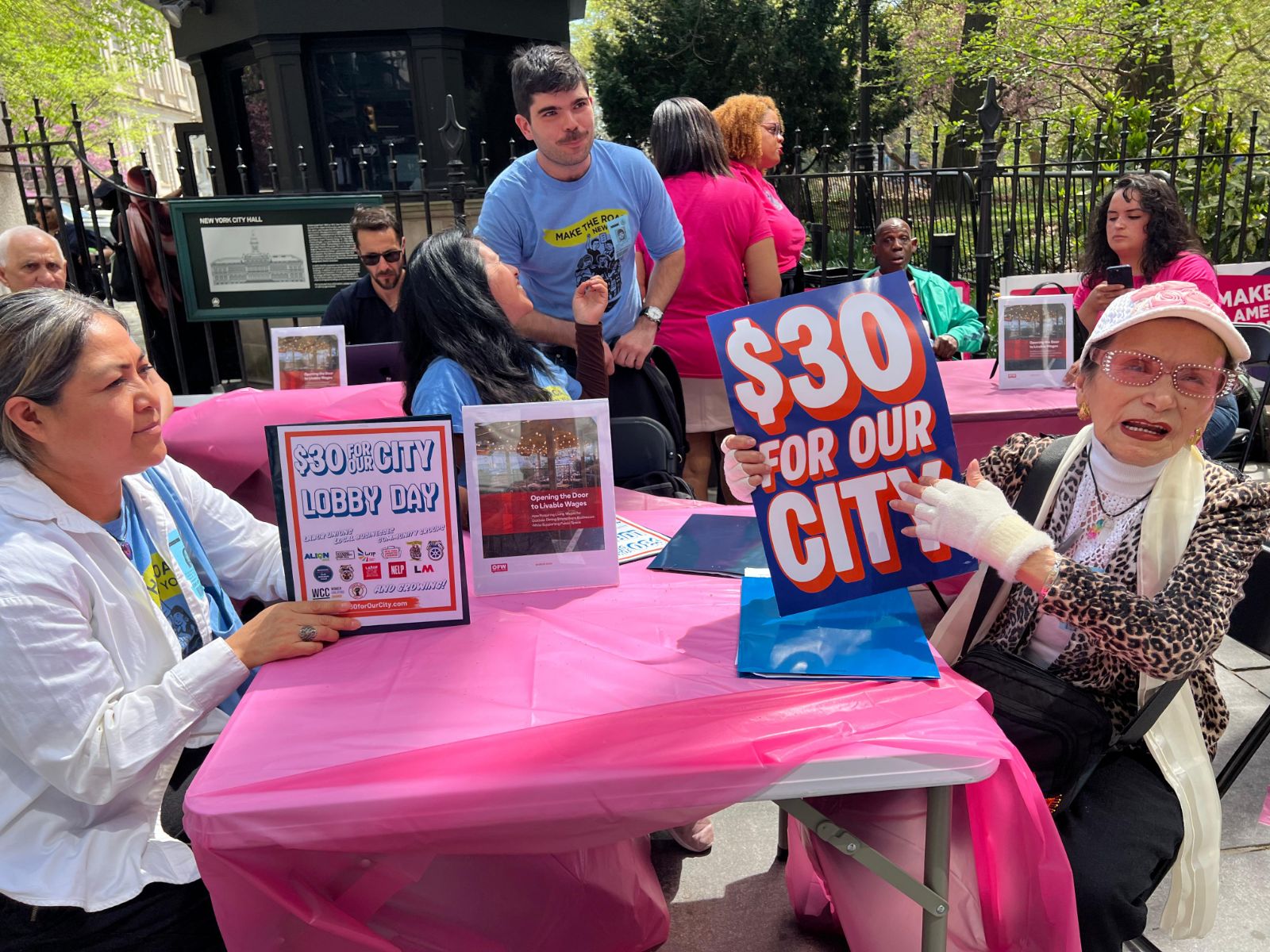
In New York, a bold proposal to hike the minimum wage to $30 an hour pits labour advocates against small businesses—and may reshape the city’s economic landscape.
For many in New York’s vast service sector, the maths simply does not add up. Median rents have soared above $3,600, groceries cost more each month, and even the humble subway swipe has crept up in price. Enter an audacious bid: a plan to raise the city’s minimum wage to $30 an hour. As policymakers debate, tempers flare—especially outside City Hall, where demonstrators, both hopeful and apprehensive, attempt to sway the debate.
At the heart of the proposal is legislation pushed by City Council member Zohran Mamdani, a democratic socialist who has courted the city’s hungry, tired, and disillusioned. His plan would effectively double the city’s current minimum wage—$16 an hour—to $30. Predictably, the initiative has delighted unions and labour advocates, for whom it marks the “just” culmination of years spent fighting what they call “subminimum” pay in tipped sectors.
For New York’s working poor, the stakes are as high as their disbursements. Many spend over 50% of their income on housing alone, levels generally reckoned unsustainable by economists. Deliveristas, restaurant workers, and home health aides—jobs now synonymous with the city’s COVID-era survival—have joined rallies to assert that “pírrico” (puny) wages imperil not just their budgets, but their dignity.
Yet, such enthusiasm is hardly universal. Small and medium-sized business owners, particularly among the Hispanic entrepreneurial class, foresee a calamity. In the words of a recent documentary produced by the city’s Latin American hospitality association, a $30 wage would be not merely inflationary, but “the death sentence” for “the soul of New York.”
These business leaders argue that, while advocates seek justice, they themselves confront razor-thin profit margins. Many note that New York’s famous restaurant culture has only just clawed back from pandemic wounds. Skyrocketing wages, they say, would translate swiftly into lost jobs, shuttered neighbourhood joints, and a gentrification of dining itself.
The technical debate, meanwhile, is unfolding at City Council hearings. A parallel piece of the drama involves the city’s unique two-tier wage system for tipped workers, such as restaurant staff. At present, many in such roles earn less than the legal minimum—on the theory that tips will top them up. The “One Fair Wage” coalition wants to abolish this system, and fold tipped workers into the same minimum wage scheme. Legislators are considering whether any expansion of lucrative outdoor dining—now a permanent prospect after being turbocharged by social distancing—should be contingent on hiking base pay for waiters and barmen.
The growing row between progressive lawmakers and business lobbyists is more than a classic employer-versus-worker standoff. It comes as inflation has outpaced wage growth since 2020, eroding real purchasing power. A jump in minimum pay, supporters reckon, would nudge the city closer to fairness for those now left behind. Yet it would also ripple across an already fragile service economy, likely raising menu prices and thinning margins for employers on the edge.
If enacted, New York’s plan would set a national record. As of 2024, only Washington, DC, comes close, at $17, and California stands at $16 per hour—with no large American city contemplating a figure half as high as this proposal. European cities such as London and Berlin have much stiffer wage floors than the United States generally tolerates, but seldom approach $30 in nominal dollars. New York could, in one move, leapfrog the most generous of its peers, bringing both admiration and indignation.
Local consequences, national reverberations
For the city’s 3.8 million workers, particularly the nearly 1 million employed in hospitality and personal services, a hike to $30 an hour would be nothing short of seismic. It would sharply reduce the ranks of the working poor—provided, of course, that jobs endure and that the cost of living does not rise commensurately.
Nonetheless, smaller firms point out that their costs are unlikely to remain static. The Restaurant Association has warned that higher payrolls will inevitably push up prices, feeding the very inflation the move seeks to remedy. Economists at the city’s Independent Budget Office project that, while workers would see billions in new earnings, as many as 40,000 restaurant jobs could vanish in the medium term—a figure hotly disputed on both sides.
Politically, Mayor Eric Adams’ administration has thus far kept its distance, aware of both the city’s progressive leanings and the fragility of its small business base. The proposal provides ample fodder for local lawmakers keen to burnish their credentials ahead of future elections—and for those wishing to posture as pragmatic defenders of Gotham’s mom-and-pop establishments.
Nationally, New York’s decision would echo far beyond its boroughs. Many Democratic-leaning city councils across the country are watching, weighing whether New York will set a robust precedent or pay dearly for its ambition. Republican lawmakers further afield, meanwhile, are already calling this scheme quixotic—if not a nail in the coffin of American competitiveness.
What is clear is that the crisis of urban affordability is neither unique nor ephemeral. Major cities from Los Angeles to Toronto are grappling with structural pay disparities and unaffordable rents. Even in richer European capitals, policymakers tinker with wage floors and subsidies in the face of similar discontent, though often with sturdier social safety nets to cushion the blows.
We reckon that New York’s wager is both bold and fraught. Raising the wage floor to $30 would mark an epochal shift—likely lifting thousands out of penury, while exposing others to unemployment or business closures as the market adjusts. The city’s history is rich with improbable pivots, but this one carries real risk—not of ruin outright, but of unintended consequences that could see jobs evaporated as quickly as they are rescued.
Social optimism and economic realism rarely walk hand in hand. The next chapter of New York’s battle over pay will show whether its leaders can balance justice for workers with survival for its vaunted, if precarious, service sector. For now, the debate exemplifies the city’s perennial tension between bold experimentation and the risk of pricing itself out of its own story. ■
Based on reporting from El Diario NY; additional analysis and context by Borough Brief.