Over One Million NYC Tenants Face Solo Trash Duty as 32BJ Eyes April Strike
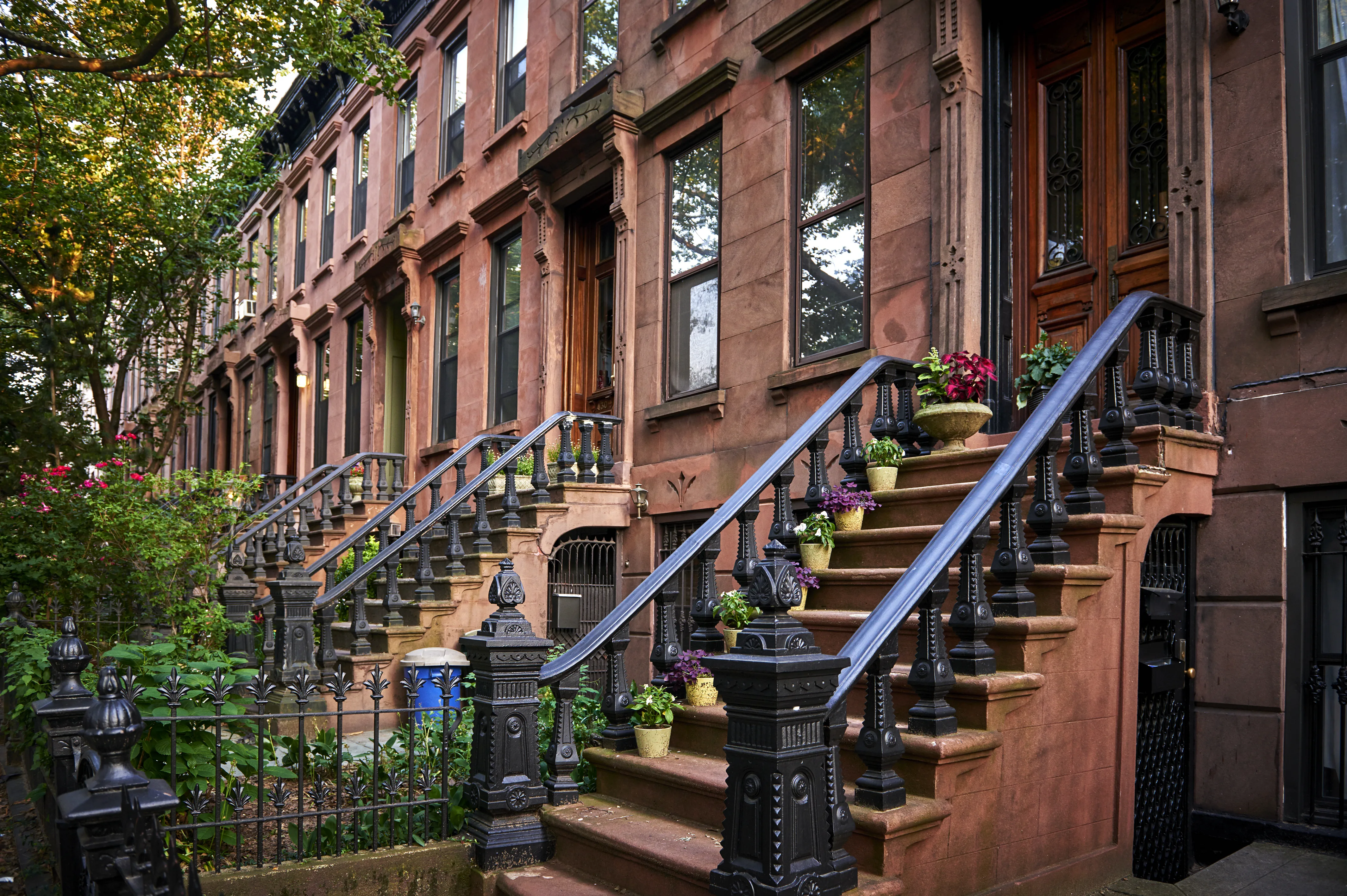
An impending strike by tens of thousands of building workers threatens disturbances for New York’s tenants and headaches for the apartment economy.
In a city renowned for its vertical living, few statistics loom as large as this: over 1 million tenants reside in buildings serviced by members of 32BJ SEIU, the union representing doormen, porters, and supers who form the quiet scaffolding of daily life. Next week, that steady scaffolding may vanish. On Wednesday, 32BJ SEIU’s roughly 32,000 members will hold a formal strike authorization vote—setting the stage for a potential walkout tinged with melodrama and real inconvenience. Unless a deal is reached with the Realty Advisory Board, staff could abandon their posts as soon as April 21st, doors unsupervised and trash left uncollected.
The dispute boils down, as such conflicts tend to, to wages and benefits. Union leaders, buoyed by a labour market that remains surprisingly taut in sectors like hospitality, are demanding higher pay and preservation of hard-won healthcare and retirement provisions. Management, for their part, points glumly to insurance costs, middling rent receipts, and forecasts of inflation that seem to rise faster than Manhattan luxury towers. Should the negotiations falter, more than 3,000 city buildings—co-ops, rentals, and condos—could see their essential maintenance workers hit the picket lines at one tick past midnight on April 21st.
For New Yorkers cocooned in doorman buildings, the disruption would be swift and unfamiliar. Lobbies now staffed with uniformed stewards would become unmanned antechambers. Residents accustomed to presorted mail and packages placed gingerly at their doors would face a scavenger hunt at the mailroom, or worse, curbside. Most daunting for many: the prospect of wrestling refuse bags down eleven flights of stairs, in what passes for springtime in the city.
The first-order effects are, at least, easily imagined. The city’s famed army of supers keeps more than just the lobby tidy; they are the people who fix boilers, clear snow, troubleshoot leaks, and de-escalate neighbourly quarrels before they reach 311. Without them, one expects a minor but irksome cacophony: accumulated garbage, sluggish repairs, piles of packages and, in some cases, a palpable dip in neighbourly civility. The disruption will be most keenly felt among the elderly or disabled, for whom navigating bins and door buzzers is not merely inconvenient but impractical.
A prolonged strike would ripple through the apartment economy. High-end buildings, in particular, compete partly on service—doormen, concierges, and porters as the final flourish to the urban experience. Renters and co-op owners who shell out eye-watering sums for city views are notoriously sensitive to any diminution in services. Some may begin to reconsider the value proposition. Property managers could find themselves under intensified scrutiny, caught between the warring parties yet expected to improvise solutions, often at additional cost.
Politically, the standoff is a bellwether for organized labour’s clout in New York. The city remains a union bastion, but recent results have been mixed; last year’s SAG-AFTRA walkout produced movement, but not without fissures. While Mayor Eric Adams has publicly called for both sides to “act responsibly”, his administration will not wish to wade directly into the fray. The calculus for City Hall is delicate: sympathising with blue-collar workers’ demands without unnerving the property-tax base.
There are wider implications for metropolitan stability. A strike would occur in the context of a skittish residential market, only recently shaken by pandemic outflows and now contending with rising costs and return-to-office ambivalence. The sight of boarded-up lobbies and fetid refuse outside Upper West Side classics would not bolster the city’s image as it tries to woo back footloose professionals. If the dispute lingers, brokers already dealing with tepid demand may find client nerves fraying further.
Union-management impasses in New York are nothing new, though rarely do they threaten to affect so many households so directly at once. By comparison, London’s wave of train strikes has frustrated millions, but seldom are the daily rhythms of urban domesticity so thoroughly upended there. In Paris, garbage strikes fostered unsightly heaps but left front doors guarded by concierges. The New York service strike, should it come, would amalgamate the city’s penchant for theatrical disruption with a distinctly American penchant for individual improvisation—residents obliged to do for themselves what they long ago outsourced to others.
A test of patience and priorities
We reckon much depends on whose patience breaks first. Union leaders, emboldened by broader support for workers across the national landscape—see last year’s UAW and Teamsters’ victories—are not without leverage. Yet, real estate barons possess deep pockets and long memories, apt to wait out a work stoppage rather than concede on every union demand. History suggests that deals almost always materialize, but not without a dramatic eve-of-strike standoff or two.
For tenants, there is scant public sympathy when doormen are framed as mere luxury. In reality, these workers form the sinews of the city’s infrastructure, their reliability neither extravagant nor dispensable. Still, New Yorkers possess preternatural talent for adaptation. One can expect a brisk business in temporary porters, while some younger denizens will seize Instagram opportunities—posing with bulging garbage bags, #solidarity or #cityliving. The city’s property managers, meanwhile, will be quietly praying that spring’s early forays do not bring an early heatwave.
Despite the angst, we suspect the city is not on the brink of chaos. Past building-service strikes (notably in 1991) ended with neither side wholly satisfied nor ruined. The choreography of public threats, counteroffers, and deadlines may yet produce a settlement. Still, the episode portends further strain for the social contract underpinning urban apartment life—a reminder that the conveniences many take for granted are built not just on architecture, but on labour.
A walkout, if one occurs, will expose the sinews (and fissures) of urban luxury for what they are: at once indispensable and unexpectedly fragile. However little most New Yorkers ponder their doormen in the course of a week, they may soon find themselves wondering how they ever lived without them. The city that never sleeps, it seems, will have to roll up its own sleeves—at least temporarily. ■
Based on reporting from Brooklyn Eagle; additional analysis and context by Borough Brief.