Queens Foreclosures Top City List in 2026, Outpacing Brooklyn, Manhattan and Staten Island Combined
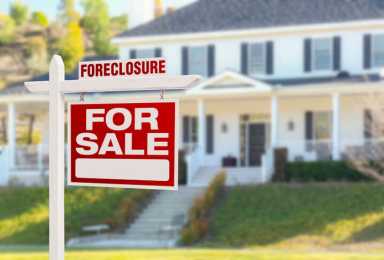
Queens’ stubbornly high foreclosure rate reveals the city’s uneven housing recovery and hints at deeper socioeconomic currents with national resonance.
To walk the tree-lined streets of St. Albans in southeastern Queens is to catch fleeting glimpses of middle-class aspiration—bay-windowed homes, trim gardens, a puny dog yapping at a delivery van. Yet this slice of suburbia shared with neighboring Laurelton, Springfield Gardens, and Rochdale has not escaped New York City’s rumbling foreclosure undertow. In the first quarter of 2026, the borough clocked 167 first-time foreclosure filings—by far the most of any borough, and nearly half of all those citywide.
According to figures compiled by PropertyShark, the overall pace of foreclosures in Queens ticked up by just 1% from a year earlier—so a mere two extra homes lost. Yet this static year-over-year headline belies a tale of yawning borough disparities. Queens’ 167 filings dwarf Brooklyn’s 62, Manhattan’s 45, and Staten Island’s 58, in aggregate. Only the Bronx—a perennial laggard in property health—came close, with 67 filings. But even tallied together, the next three populous boroughs could not rival Queens’ troubles.
It is not for lack of posh addresses. The second-priciest foreclosure to hit the auction block this quarter sat in College Point, north-east Queens: a stand-alone, two-storey house measuring 1,614 square feet, boasting a $1.4m lien. It reverted to the lender—a sign of tepid demand at distressed sales—for a rather less buoyant $845,000. Though this is hardly a pittance, it means the lender, and wider market, absorbed a hefty haircut.
What ails Queens is both common and specific. For decades, it has welcomed immigrant and working-class families keen to buy small slices of the American dream—single-family homes, multi-generational living, a patch of yard. These are also the families most apt to have uneven incomes and less robust savings, boding ill when higher interest rates, insurance costs, and pandemic-era forbearance freezes unwind.
The pain is not evenly spread across all of Queens. Two zip codes, 11412 (St. Albans) and 11413 (Laurelton and surrounds), shared the citywide lead for first-quarter foreclosure filings: each saw a dozen homes entering distress. Both neighborhoods are emblematic of the borough’s Black middle class, and have long served as launchpads for upwardly mobile families fleeing Brooklyn congestion or city-centre prices.
The aggregate numbers, though modest compared to the worst days of the 2008-09 housing crash, still warrant scrutiny. In a city where property is nearly impossible to buy and scarce to rent, each lost home knocks a small hole in the already threadbare social fabric. Foreclosed homes frequently sit vacant, depressing nearby property values and inviting vandalism. When they finally sell, it is often at a discount, incentivizing more speculative investors than community-minded buyers.
Rising ripples from a shallow wave
At first glance, a rise of two foreclosures hardly seems to portend much. Yet the stubborn concentration—over 40% of all city filings—marks Queens as an outlier, hinting at deeper vulnerabilities. Mortgage delinquency data show a slow but steady uptick, particularly among households holding adjustable-rate loans issued in the late 2010s. The borough’s housing stock is uniquely exposed to such risk: a patchwork of modest, prewar homes and newer condos bought with thin equity and, too often, hefty leverage.
For the city’s economy, a persistent foreclosure pocket matters beyond sentimental loss. Housing churn can spur movement—families upsize, young professionals enter the market—but mass distress yields neither fluidity nor confidence. Loan write-offs force local banks to retrench, tightening credit elsewhere. Local government loses tax revenues, then must outlay more for basic services in blighted neighborhoods.
Politically, the lopsided pain may have curious ramifications. Queens’ robust, if fractious, civic organizations routinely punch above their weight in city council advocacy. They could soon demand interventions—loan modification programs, relief funds, changes to property-tax assessment—if the situation festers.
Nationally, Queens offers a small but telling proxy for post-pandemic housing dynamics. While foreclosure rates remain subdued across much of the country, urban enclaves with dense concentrations of Black and immigrant homeowners appear at greater risk. The combination of decaying federal relief, receding pandemic-era homeowner protections, and higher borrowing costs now ricochets unevenly into the fabric of local real estate.
The curious fact that other big cities—Los Angeles, Houston, even Miami—have not reported similar spikes in single-borough foreclosures suggests that New York’s housing market remains sui generis. Three decades of restrictive zoning, vast income inequality, and a perennially broken property-tax code have conspired to make homeownership both aspirational and precarious. Queens’ homebuyers stand most exposed.
We see little prospect for a cascade—there is no tidal wave approaching. Rather, a puny but persistent trickle. Yet policymakers ignore such data at their peril. If the city is to fulfil its vaunted role as an engine for mobility and integration, it must grapple not only with housing scarcity, but with the hidden frailties within its “owner class.” Leaving entire neighborhoods exposed to slow-burn distress risks long-term stagnation, both economic and social.
If the quarterly foreclosure log portends anything, it is a warning to broaden our metrics: beneath the tidy year-on-year percentage changes lay concentrations of acute economic stress. Queens, as ever, bears both the hope and hazard of New York’s restless striving. ■
Based on reporting from QNS; additional analysis and context by Borough Brief.