Queens Homeowners Rebuke 9.5 Percent Property Tax Hike as Mayor Pressures Albany
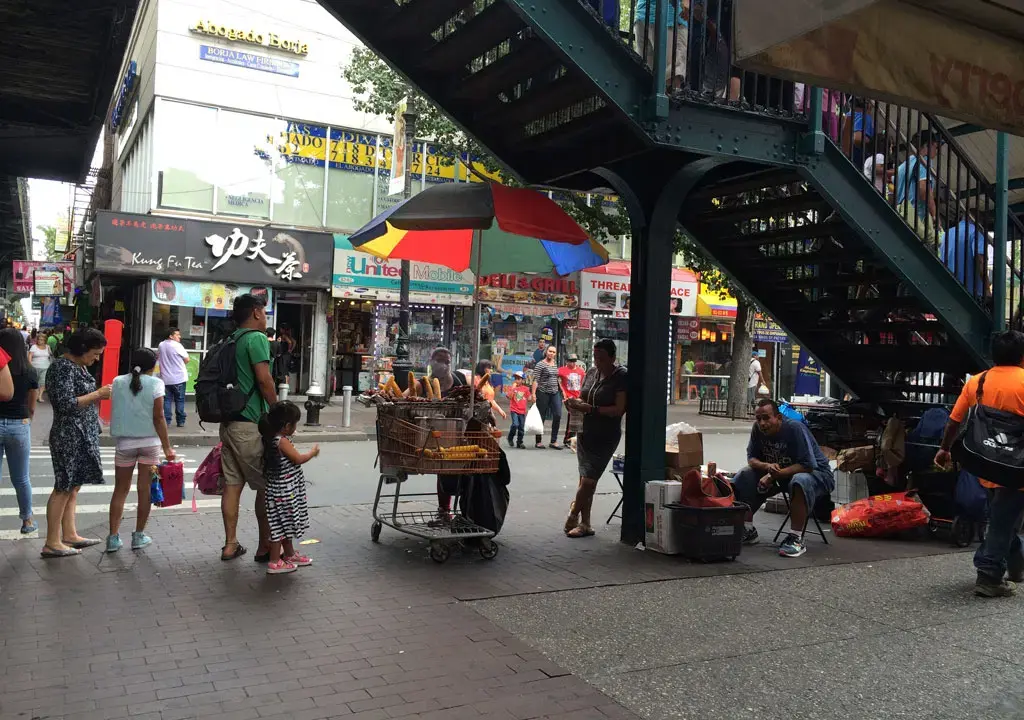
With City Hall floating a hefty property tax increase, the battle over New York City’s budget spotlights not only the fragility of urban homeownership, but the uneasy balance of city and state power.
The banners waved overhead in Cambria Heights last Thursday were clear: “Keep Our Homes Affordable.” In the heart of southeast Queens, residents aired anxiety verging on fury, spurred by Mayor Zohran Mamdani’s proposal to raise property taxes by up to 9.5% to plug a daunting hole in the city’s finances. Across New York, from single-family bungalows in the outer boroughs to townhouse strips in Brooklyn, the news struck home—literally.
Mr Mamdani presented his $122 billion preliminary budget with a twist of political brinkmanship. Unable to persuade Governor Kathy Hochul to raise taxes on New Yorkers earning over $1m, he has framed property-tax hikes as a last-ditch tool. “If we do not have state action, then the only tools … is a property tax increase,” the mayor declared. The veiled threat had the air of a fiscal hostage note. For millions of homeowners, the mere prospect felt like an eviction notice in slow motion.
The implications, if City Hall follows through, are neither minor nor merely symbolic. A near-10% property tax rise would affect more than three million homeowners across New York’s five boroughs. In neighbourhoods like Cambria Heights, where nearly 90% of residents are Black and a fifth are seniors, such an increase could topple hard-won financial security. Community leaders, such as Oster Bryan, who has called Cambria Heights home for four decades, see in this policy not only a pocketbook issue but a test of the city’s claim to make homeownership viable for minorities.
For New York, the choice between raising state income taxes on the wealthy and hiking property taxes is a question of both equity and feasibility. Property tax rises, while technically simpler—requiring only local assent—lack progressivity. They land indiscriminately, catching pensioners and recent arrivals alike. By contrast, an uptick in income-tax rates for millionaires, as the mayor has lobbied for, would dip (in theory) only into deeper pockets. The governor, however, is unmoved, urging Mr Mamdani to “go back to the drawing board” and resisting any upward nudge on tax rates in a state already famed for fiscal voracity.
For those living on the bubble, this feels like the proverbial rock and hard place. Cambria Heights is not unique. Gentrification and cost escalation have propelled migration to southern states, from Atlanta to Houston. As James Johnson, organiser of last week’s rally, lamented, “The property taxes will displace us. It’ll push us out.” New York’s vaunted diversity is sustained by such enclaves—chipping away at their housing security risks not only demographic change but the hollowing out of the city’s social capital.
The mayor’s office frames this squeeze as necessary to maintain service levels in a city still feeling the aftershocks of pandemic-driven revenue losses, inflated public-sector wage bills, and migrant shelter costs. With a budget due by June 30th, and with Albany cool to further state aid, the city’s fiscal options appear meagre. New York’s endless dance between city and state over funding and autonomy is an old story. But the stakes feel freshly acute.
Fiscal frustration in America’s urban laboratories
Other American cities, too, are scrabbling to balance budgets in a changed landscape. Boston and San Francisco, grappling with commercial real-estate declines, have looked to a mix of spending restraint and creative taxes. Houston and Charlotte, by contrast, ride a surging population base for fiscal stability. Yet New York, with its unique system (and famously labyrinthine property-tax code), has a tendency to turn fiscal questions into zero-sum contests of geography and class.
Internationally, cities from London to Berlin face similar urban dilemmas, often with a stronger state backstop or more nimble decentralisation tools. New York’s reliance on property tax—a source accounting for nearly 30% of its revenue—exposes it to the vagaries of real-estate cycles and political will, as much as to the city’s own economic dynamism. A property tax regime seen as haphazard or punitive risks undermining not only voters’ trust but the delicate homeownership ecosystem, especially in boroughs like Queens.
That does not mean the mayor is wrong to sound the alarm. New York’s budget, gargantuan though it is, contends with unique obligations: an antiquated state-local funding model, outsized special-education and policing costs, and, lately, an influx of asylum seekers. Absent new revenue, cuts in services could fray urban life still further, with knock-on effects for business and public morale.
Yet the choreography of threat and counter-threat between City Hall and Albany is wearyingly familiar. Nor does it escape notice that property assessments themselves, long overdue for reform, produce a system that confounds most taxpayers. As matters stand, some multimillion-dollar Brooklyn brownstones attract lower taxes than modest homes in the outer boroughs, thanks to formulas more arcane than the rules of cricket.
Where does this power play leave New Yorkers? The city seems caught in a fiscal no-man’s-land, with City Hall’s budgetary latitude clamped by Albany and its political capital sapped by discontent. Even as the city recovers, housing affordability remains a pressing concern. To risk the stability of long-standing communities in exchange for a temporary revenue fix looks short-sighted. The risk, as in Cambria Heights, is that the city erodes the very communities that give it vigour and resilience.
Sensible reforms beckon, if only political will can be summoned. A rationalisation of the city’s property-tax system—long advocated by policy wonks—could align taxes more fairly with values and incomes. Meanwhile, the state could, for once, shoulder a larger burden for services with statewide repercussions (notably in housing and migrants). Both sides, if inclined to see the bigger picture, might draw from peers abroad and at home, recognising that urban stability relies on predictability and fairness above all.
Neglect or piecemeal fixes portend not calamity but the slow drip of disaffection and out-migration. That is the fate New York should most fear. Cities endure by adapting, not by clinging to the quarrels of yesteryear. Let both city and state prove, for once, equal to the challenge. ■
Based on reporting from NYC Headlines | Spectrum News NY1; additional analysis and context by Borough Brief.