Rents Demand Over $9,000 Monthly in NYC by 2026, Budgets Stretch Further Thin
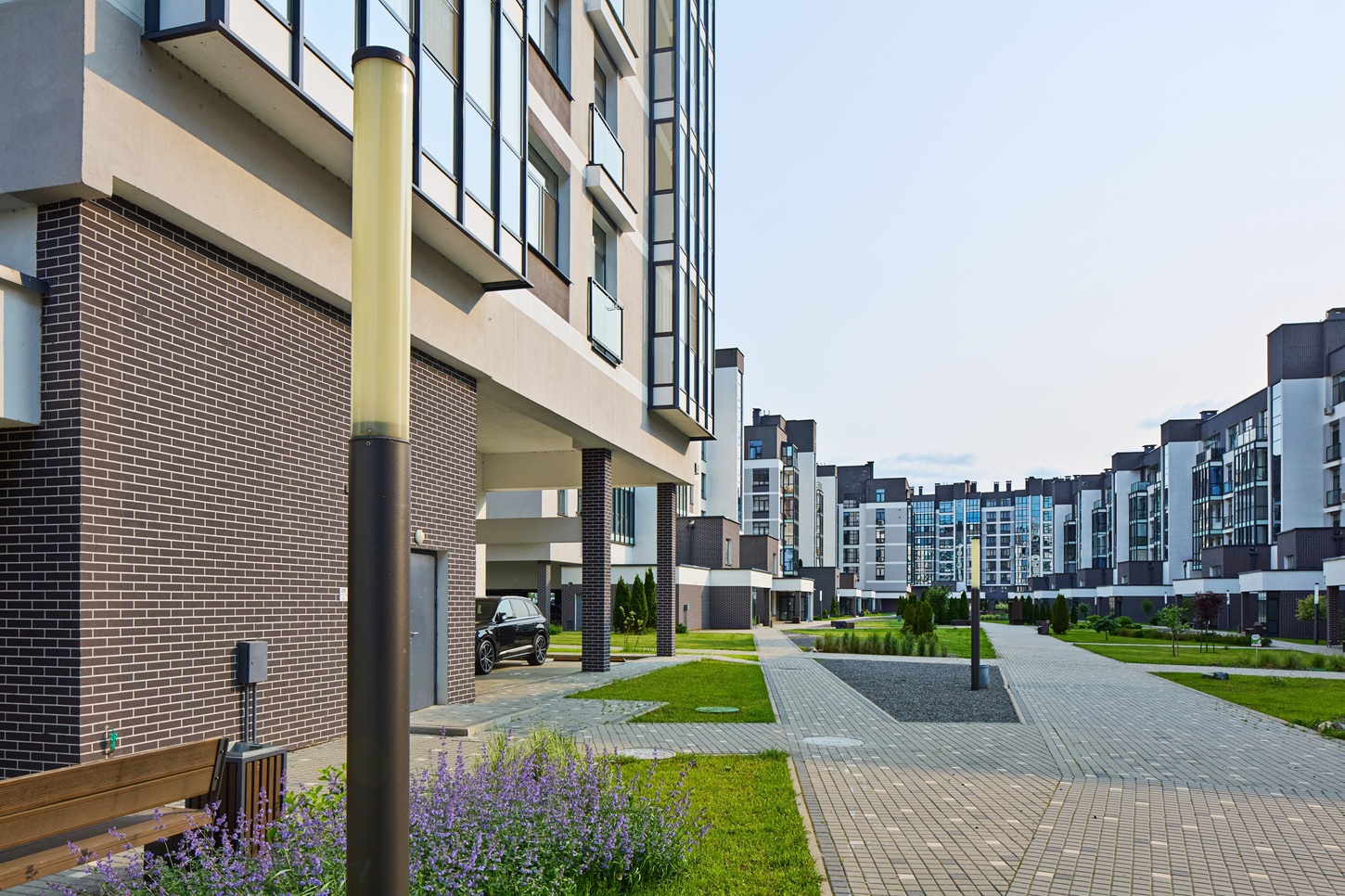
Rising rents are placing New Yorkers under mounting financial pressure, exposing the fragility of housing affordability in America’s biggest city—with implications that ripple well beyond the five boroughs.
In New York City, the monthly cost of keeping a roof overhead has crept into the realm of the extravagant. Recent estimates suggest that to rent a typical apartment in the city without breaching the boundaries of financial prudence, one would need to bring home more than $9,000 a month. Few residents do.
The rule of thumb, formalised by America’s Department of Housing and Urban Development (HUD), is that no household should spend more than 30% of its gross income on rent. Eclipsing this threshold exposes families to the official label of “cost-burdened”—an ominous bureaucratic coinage that, in practical terms, means running short on life’s other essentials: food, transport, health, a smidgen of leisure. Nowhere is the calculus more brutal than in New York, where rents stubbornly resist gravity even as wage growth remains enervated.
Across the five boroughs, the median rent has soared to the point where the “healthy” ratio is out of reach for all but the well-heeled. Zillow and Redfin, two keepers of digital rent rolls, reckon average rents will not ease meaningfully through 2026. For the city’s median earner, the arithmetic is dispiriting: making rent without exceeding 30% of income demands an annual paycheque north of $108,000—much higher than what many New Yorkers can boast.
The implications are plain. A growing number of households spend not just 30%, but an eye-watering 50% or more of income on rent. Such families—HUD dubs them “severely cost-burdened”—are keeping bodies clothed and bills paid by a combination of thrift, luck, and often, debt. Each rent cheque paid leaves less to feed or educate a child, get to work, or put aside for emergencies.
Latino families, in particular, face an outsized squeeze. Already grappling with lower median wages and persistent barriers to higher income, many see disproportionate shares of their take-home pay consumed by rent. The effect is perpetuated by lower access to affordable housing and savings, creating a cycle of vulnerability that remains stubbornly difficult to break.
The knock-on effects of this dynamic reach far beyond individual bank accounts. The city’s broader economy wobbles when large swathes of its populace have precious little left to spend on goods and services. Retailers, restaurants, and healthcare providers all feel the aftershock. Recent census figures show that half of severely burdened renters have no emergency savings whatsoever, making them ill-equipped for even minor economic shocks—let alone a layoff or illness.
Nor does the squeeze inspire political harmony. Affordable housing policy in New York routinely ignites fierce debate at City Hall and in Albany, with proposals for rent caps, development incentives, or beefed-up public housing traded like blows in a heavyweight bout. Add an election cycle, and the rhetoric turns shrill—though concrete solutions, measured in units built or subsidies delivered, remain frustratingly slack.
If these troubles feel all too familiar, that is because they are not unique to New York. Los Angeles, Miami, and Boston all find themselves mired in similar quandaries. The affordability ratio—once only occasionally flouted in so-called “superstar” cities—is now breached in dozens of American metros. A common thread: high-income newcomers and stagnating local incomes create an upward spiral of prices, leaving the working- and middle-class—teachers, nurses, tradespeople—adrift.
Internationally, New York fares little better. European capitals such as London and Paris, much like New York, have struggled with their own woes as gentrification and second-home buying drive up costs. Yet New York’s laggard approach to zoning reform and new construction stands in contrast to the relative nimbleness found, for instance, in Tokyo, where supply responds more briskly to demand, and affordability remains less dire.
Behind the numbers: the broader burden of rent
Data-driven reforms have long been touted, yet the city persists in a peculiar stasis: neither unleashing a wave of new development, nor vigorously defending rent regulation. The result is a piecemeal system in which new luxury towers spring up in select neighbourhoods, while thousands queue for a shot at rare subsidised apartments. Efforts to expand housing vouchers or offer mortgage assistance move glacially.
There are glimmers of hope—if one looks hard enough. Some tech-forward landlords experiment with new models that promise greater transparency or lower fees. Advocates for so-called “gentle density” push for modest upticks in housing supply, though their influence at City Hall remains nascent. Federal reforms—should they materialise—may nudge cities towards more ambitious solutions, albeit with little immediacy.
The deeper question for New York, and indeed for most of America’s urban centres, is not simply whether rents will moderate, but whether household incomes can keep up. Without more dynamic wage growth or targeted interventions, the proportion of renters labelled “severely cost-burdened” seems unlikely to dwindle.
In the end, for a city that has prided itself on openness and upward mobility, housing has become the litmus test. If nearly half of residents must choose between saving, eating, or keeping the lights on, the vaunted dynamism of New York is at risk of looking more like a mirage.
Data—so often the refuge of optimists—does not portend an imminent reversal. But cities have, in decades past, found ways to reimagine themselves in the face of crisis. Perhaps, then, the current rent burden may serve as the necessary goad for leadership bold enough to chart a different course.
The price of shelter in the city has always oscillated with the times. What is now clear is that the path to renewed affordability will demand more than paltry tweaks at the margins. The alternative is to consign yet another generation of New Yorkers to the treadmill of the overburdened, and to the slow erasure of the city’s hard-earned promise. ■
Based on reporting from El Diario NY; additional analysis and context by Borough Brief.