Six Arrested After DIY Explosives Tossed Near Mamdani’s Upper East Side Home Amid Protests
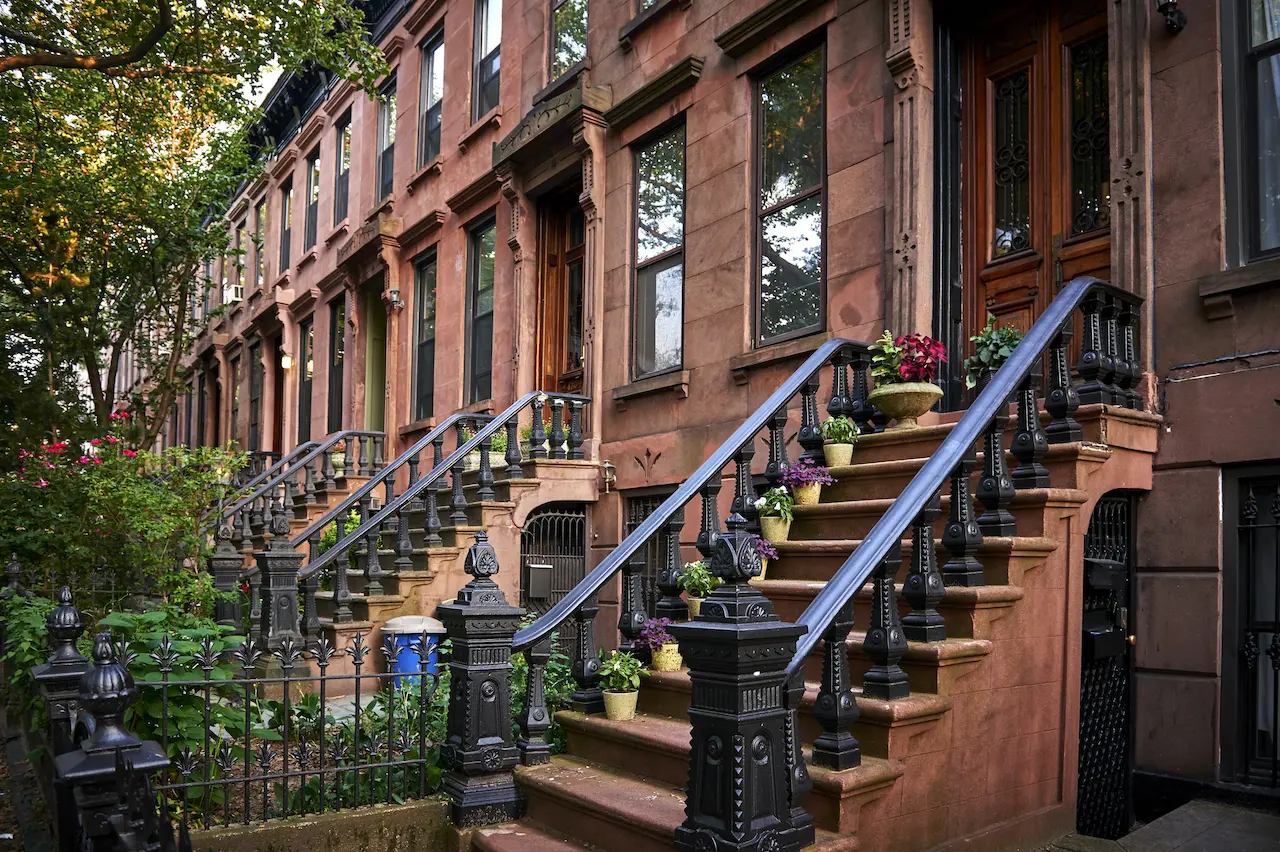
An improvised explosive incident outside New York’s city leader’s home exposes the febrile edge of protest politics—and the uneasy tightrope city institutions walk on civil freedom and security.
On an otherwise unremarkable Saturday morning in Yorkville, the Upper East Side’s façades echoed with a tension that outstripped their genteel exteriors. By noon, a bomb squad was trundling jars wrapped in black tape, studded with screws and hobby fuses, away from the entrance of Mayor Zohran Mamdani’s residence. What began as yet another New York protest had tipped into outright criminality.
Six arrests followed, capping a protest that began with the usual banners and slogans and ended with the NYPD’s and FBI’s Joint Terrorism Task Force at the scene. According to Police Commissioner Jessica Tisch, two of the detained are accused of having handled and ignited makeshift explosives, which eyewitnesses describe sparking and fizzing before mercifully snuffing out short of their likely targets.
The gathering itself was modest—by New York standards, a mere 20 demonstrators, marshaled by conservative provocateur Jake Lang, set out to protest outside Mamdani’s apartment, denouncing what they claimed were extremist Muslim influences. Their message, predictably, attracted a larger cohort of roughly 125 counter-protesters, forming a stand-off that could have been plucked from the city’s long tradition of heated—but mostly peaceful—public dissent.
This time, a fissure opened up. Tempers frayed, and one protester from Lang’s group discharged pepper spray, escalating the skirmish and prompting his swift arrest. Moments later, in a development that would set city nerves on edge, an 18-year-old man lobbed an ignited device—a jar thickly festooned with nuts and bolts—towards police and the crowd. Flames and sharp smoke laced the air until the object tumbled into a barrier and expired. The young man, undeterred, procured and attempted to deploy a second device before he and a suspected accomplice were detained.
Although neither Mayor Mamdani—New York’s first Muslim and South Asian mayor—nor his wife Rama Duwaji were home, the symbolism could hardly be missed. City Hall’s immediate response, delivered via spokesman Joe Calvello, cast the incident as “despicable and Islamophobic.” The protest’s instigator, Lang, was labeled a white supremacist. The volume of the official condemnation was matched only by the quiet gravity of the bomb disposal officers, clad in Kevlar, gingerly gathering evidence for forensic analysis.
The direct threat to the city’s leader—especially one who embodies both immigrant and Muslim communities—portends a troubling turn. New York, long a test ground for American pluralism, now finds its usual protest rituals verging on farce and farce verging on actual danger. City officials have since faced sharp questions about security around the homes of elected leaders, as well as the roots of vitriol targeting those whose faith or ethnicity diverge from the mainstream.
Yet beyond political personalities, the episode forces uncomfortable introspection about the city’s delicate social compact. On the one hand, the right to assembly and noisy, even extravagant, protest is a nearly sacred article in Gotham’s constitution. On the other, the spectre of homemade explosives and charges of terrorism investigation nudge authorities towards a more muscular approach—one that risks chilling genuine dissent and, ironically, confirming conspiracy theorists’ persecution complexes.
Practically, the consequences ripple beyond law enforcement. Real estate values in high-profile neighborhoods are inversely proportional to the perceived risk of unrest. The city’s costly security apparatus, already stretched policing everything from hate crimes to subway fare-jumpers, now faces heightened expectations. Politically, accusations of “Islamophobia” and talk of “white supremacists” in public dispatches raise the temperature for intercommunal relations at a time when such rhetoric is often weaponised for national political gain.
From Lower Manhattan to the global stage
New York’s brush with low-level terror attempts, while not unfamiliar, is hardly unique among global cities. London, Paris, and Berlin too have wrestled with street-level violence targeting public figures or minority leaders. Yet, for all its lauded resilience, New York’s gift (or curse) is its perpetual openness: here, even grandstanding demagogues can march within shouting distance of their targets, restrained only by steel barricades and a weary, pedigreed police force.
The febrile convergence of ideology, ethnicity, and muscle-flexing reflects not just local angst, but an American mood that brooks little patience for difference. Against the national argy-bargy over immigration, religion, and security, New York’s local flare-up reads almost like a microcosm—a warning that inflamed rhetoric can indeed spill over into literal sparks. The city’s ability to absorb such episodes and recover is often overstated. Each incident chisels away at the old civic confidence that order can be maintained with a light touch.
We are reminded of the paradox inherent in security policy: clamp down too tightly, and civic freedom withers; risk an overly laissez-faire approach, and actual threats materialise. Each new headline—be it a failed homemade bomb or a charged crosswalk—puts this balance to the test anew.
Robust policing and forensic investigation are necessary tools. But even as the city investigates whether the devices were genuine explosives or crude hoaxes, a more intelligent debate would re-center on the upstream drivers of this anger. Responding with only heightened security is to treat the fever, not the infection. Of greater concern is the fraying legitimacy of public protest, which, if corrupted by violence, loses its claim as a civic virtue and becomes just another risk factor to be managed.
Here, the city’s trademark resilience may yet be its salvation, so long as it is leavened with vigilance and nimble adaptation. The lesson—extracted from a would-be bomb in a genteel postcode—must not only be that New Yorkers will “carry on,” but that leadership requires steady nerves and clear eyes. The flames and smoke were a warning; whether New York hears it as such is an open question.
■
Based on reporting from Section Page News - Crain's New York Business; additional analysis and context by Borough Brief.