Snowstorm Tests New Yorkers’ Preparedness as Community Outshines City Response
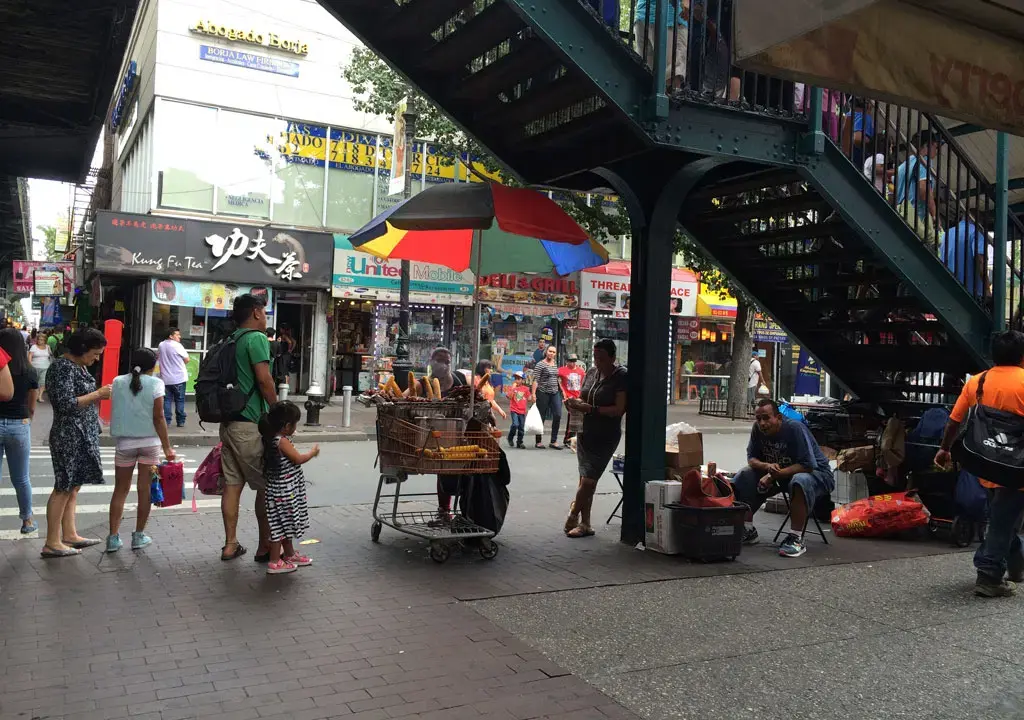
New York’s recent blizzard exposes the fragilities and social fissures in the city’s approach to extreme weather, highlighting both the resilience of communities and the limits of official preparedness.
When 20 inches of snow, whipped by winds reaching 60 miles per hour, entombed New York City in February 2026, the official language was stoic: the “Blizzard of the Decade” had descended. But the city, famed for grit and flux, quickly found itself closer to paralysis than pluck. Streets vanished beneath snowbanks; bus shelters became ice-caked storage lockers of lost things. The city’s vaunted infrastructure—vast and aging—passed yet another unsparing stress test, as some neighbourhoods fared better than others.
Mayor Zohran Mamdani’s decision to invoke a citywide travel ban and bestow schoolchildren a fleeting snow day was met with the ambivalence befitting the times. Parents fretted over treacherous sidewalks, while those needing to return to work pressed for normalcy, even as their children’s schools—on which nearly 900,000 families rely not only for lessons, but for warmth, food, and care—reopened in record time. Grumbles followed. There was neither the seamless shift to remote learning nor the confidence that every child had—or could get—the technology needed for lessons online.
This latest winter tempest struck a city still recalibrating after pandemic-induced disruptions. At ground level, things were anything but composed. The freshly fallen snow, briefly beautiful, quickly degenerated into an urban adversary: impassible and piled with detritus. The aftermath, bleak and protracted, showcased the city’s recurring struggle to restore basic mobility. Roads and sidewalks remained hazardous for days, prolonging exposure for the hardest-hit.
In the city’s grand tradition, individual initiative and community networks stepped into the breach where official efforts lagged. Disaster preparedness advocate Aton Edwards pointedly observed, “Winter storms are not seasonal inconveniences. They are infrastructure stress tests.” His advice, broadcast widely on local radio, was plain: check on elders, disabled neighbours, and those without means. Edwards, who has fashioned “Afrocentric prepping” initiatives and Life Protection Directives for Black communities, underscored that isolation, not ice, magnifies mortality.
The city’s response illuminated a core conundrum. Decades of underinvestment in essential services—say, public housing boilers or the plodding pace of snow removal in outer boroughs—surface most cruelly in moments like these. Power flickered, heat failed, and countless New Yorkers found their routines derailed. Yet these storms, as Edwards suggests, are not merely nuisances but opportunities to diagnose the city’s collective immune system: who has support, who is left to fend for themselves, and which problems are perennial.
Economically, the cost of such an event is not trifling. Refuse collection slowed; delivery logistics snarled; hourly wage earners faced lost pay as offices and shops shuttered. Restaurant revenues, already battered by seasonality, dropped further as diners stayed home. Meanwhile, the city mustered fleets of plows and spreaders, ratcheting up overtime and equipment costs, which will appear in future budgetary headaches—a painful backdrop for an already strained fiscal landscape.
Socially, extreme weather draws out both the best and worst of city life. New Yorkers are well accustomed to improvisation; impromptu snow-clearing brigades formed on block corners, and neighbours arranged grocery runs for seniors. Yet the flip side was visible, too: lines at hardware stores for ice melt and snow shovels, testy exchanges on clogged subway platforms, and arguments over whose responsibility it was to clear sidewalks or dig out cars.
The city’s schools—its social backbone—were perhaps the best bellweather of broader complications. While some districts could pivot to Zoom or Google Classroom-type platforms, Mayor Mamdani acknowledged the limits: many students lacked laptops, tablets, or stable internet. Widening digital divides portend longer-term ripple effects for education equity. Absent school, the many children who rely on their campuses for hot meals or quiet go neglected—harbingers of malnutrition and mental strain hiding within a municipal snow day.
Lessons from blizzards past and elsewhere
Other northern cities offer instructive contrasts. Minneapolis, for example, implements block-level snow clearance schemes; Montreal fines homeowners who neglect sidewalks and deploys armadas of heavy equipment overnight. Parts of Tokyo, despite a relatively temperate climate, have invested mightily in heated pavement for priority zones. In New York, piecemeal improvements are the norm, with flashpoints—such as who clears curb cuts for wheelchair users—left for post-storm acrimony. The city’s tradition of ad-hoc heroism and “making do” faces diminishing returns as storms grow more frequent and intense, likely linked to the climate’s mounting caprice.
Governance, too, is caught between bold pronouncements and pedestrian obstacles: the City Council will doubtless hold hearings on snow removal equity, but voters, and taxpayers, have scant patience for process stories. That the snow lingered a full week after the last flake fell is both emblem and warning: public infrastructure is ageing, and the resources to recapitalize it are worryingly finite.
It is easy to bemoan bureaucratic lapses. Yet, as New York’s blizzard made plain, preparedness is a collective property, not a top-down mandate. Mutual aid—whether inspired by Edwards’ “Afrocentric prepping” or informal neighbourhood WhatsApp groups—remains more effective than any official app. Still, a truly resilient metropolis would bolster its feeblest links: digital access for the poor, disability accommodations on icy corners, clear communication in several languages, and well-funded emergency responses that reach every borough, promptly.
As climate models portend more frequent swings between extremes—torrential rain, blizzards, brutal heat—the lessons of February 2026 bode for more than just snow removal. New York will need not only more plows, but also new thinking: on social infrastructure, targeted investment, and bringing vulnerable populations into the centre, rather than the periphery, of preparedness planning.
Despite the city’s abiding reputation for improvisation and endurance, blizzards such as these test not so much New Yorkers’ capacity for hardship—which is prodigious—but their will to adapt collectively before the next storm strikes. We reckon the city’s true resilience will depend less on heroics during crises than on the dull, continuous labour of planning, inclusion, and maintenance. Weather passes; but preparedness, or its absence, endures. ■
Based on reporting from Our Time Press; additional analysis and context by Borough Brief.