State Lawmakers Push NYC Big-Packaging Tax as DSNY Tracks 24 Million Pounds of Daily Waste
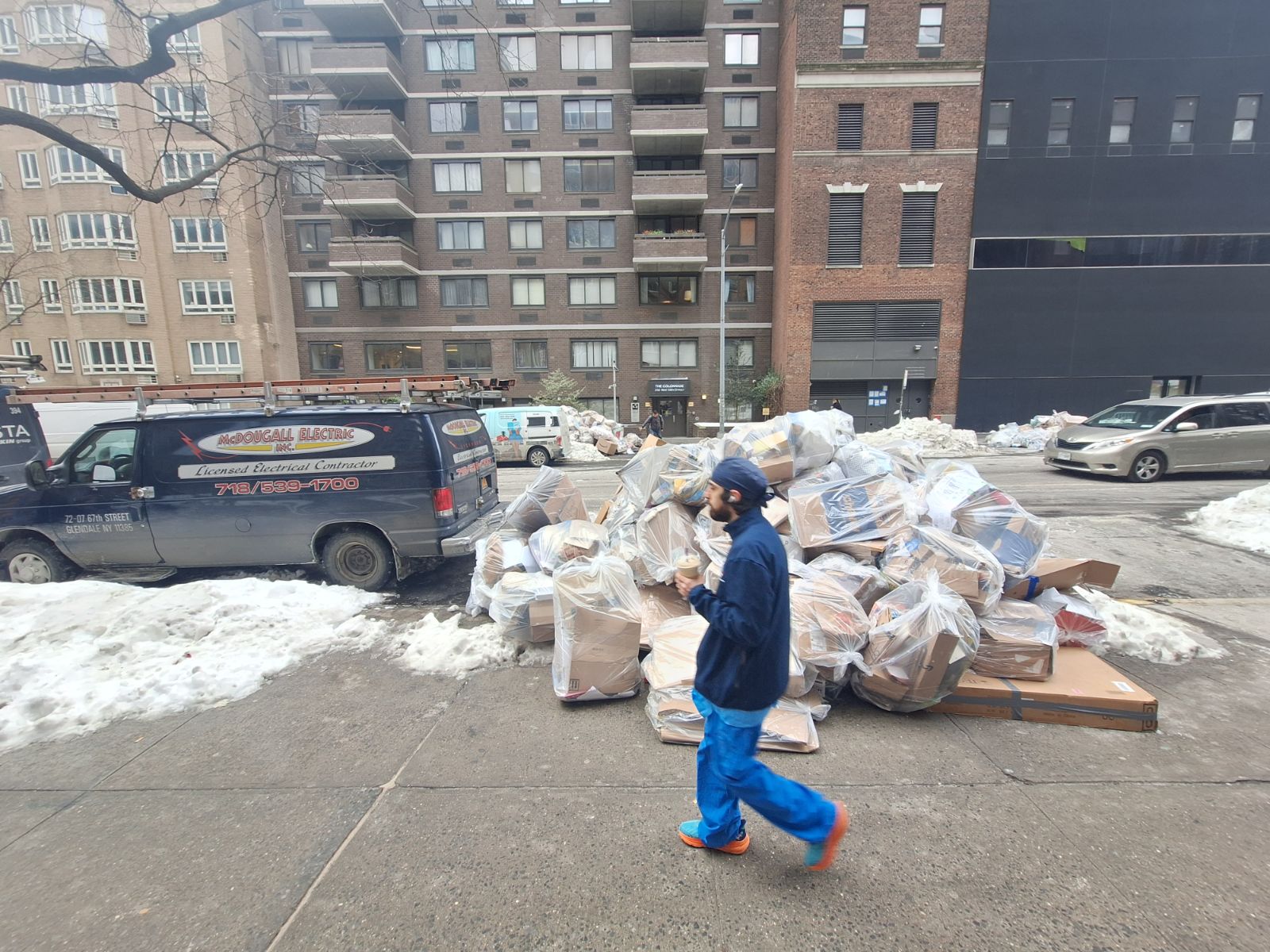
New York’s bulging trash problem is driving lawmakers to demand that big companies pay for their packaging—foreshadowing how cities globally may reckon with the environmental price of convenience.
Every day, New York City churns out 24 million pounds of trash and recyclables—enough to match the mass of 50 Statues of Liberty. While sanitation workers wage daily war against an ever-growing mountain of waste, barge convoys struggle down the East River, hauling the detritus of eight million residents to landfills as far afield as Ohio and South Carolina. The spectacle is unsightly; the bill even more so.
The price tag for this Sisyphean rubbish operation is staggering. Each year, New York’s Department of Sanitation (DSNY) spends hundreds of millions of dollars just to export waste out of the city’s sight. According to Gregory Anderson, DSNY’s commissioner, these costs—borne by city taxpayers—could fund schools, public parks or subway repairs instead. Last week, with the East River’s garbage barges as a propitious backdrop, Anderson joined environmental advocates and state legislators to reissue demands for a hard-nosed legislative remedy.
The focus is the Packaging Reduction and Recycling Infrastructure Act, or PRRIA. This bill, currently pending in Albany, would shift a major share of the city’s waste-management tab onto the companies that flood New York with disposable packaging—particularly the online retailers and consumer-product giants whose boxes and plastic wrapping make up a growing proportion of rubbish. In theory, says Grace Lee, a Manhattan assemblywoman and vocal sponsor, the law would halt what she calls “corporate freeloading” by making producers financially responsible for recycling their detritus. It is modelled on “extended producer responsibility” (EPR) policies which have gained traction in Canada and the European Union.
Recent years have been particularly grim for Gotham’s bin men. The surge in e-commerce, amplified by the pandemic, means homes and bodegas alike now produce far more packaging waste than conventional collection routes were designed to handle. Amazon, DoorDash and their ilk might deliver convenience at the tap of a finger, but each purchase arrives swaddled in cardboard, plastic, and bubble wrap that New Yorkers must find a way to discard. The city’s recycling rate, meanwhile, is a paltry 17%, well below those of peer cities such as San Francisco or Toronto.
At stake are not just aesthetics or budgets, but also health and quality of life. Overflowing piles of garbage bring rats and roaches; diesel-powered trucks belch fumes into densely populated neighbourhoods en route to distant landfills. Each barge of Manhattan’s rubbish that steams down the river is a floating reminder that New York relies on other states’ land and air to hide its environmental sins.
If PRRIA were to pass, the short-term effects for the city could be sizable. Large manufacturers would have to contribute funds to DSNY’s recycling and disposal systems, potentially freeing hundreds of millions of dollars for municipal services. Incentives, or more likely mandates, would push companies to rethink packaging—favouring recyclable or reusable materials and trimming unnecessary plastic. That could mean slimmer Amazon parcels and fewer plastic snack wrappers choking city bins.
The broader impacts are harder to predict. Product costs may creep upwards as firms pass on compliance expenses to customers. Critics warn of a cascade effect, with city-based businesses—already grappling with New York’s high taxes and rents—becoming less competitive. Not all manufacturers are equally equipped to switch materials or track recycling logistics. Small producers, in particular, grumble that, without robust exemptions, they will pay disproportionately for the sins of global consumer brands.
Environmental advocates see such gnashing as crocodile tears. Richard Schwartz of the non-profit Clean Streets reckons that shifting costs to producers will hasten the circular economy New York so badly needs. Less packaging would mean fewer diesel miles, fewer emissions and, over time, less reliance on out-of-state disposal sites. As climate change nips at the city’s coastline, any reduction in greenhouse gases is a worthy aim.
Turning trash into precedent
PRRIA’s passage in America’s flagship metropolis would set a powerful precedent. Europe has required packaging “takeback” by producers for decades, boosting recycling rates and nudging firms to invent new materials. Ontario already credits its extended producer responsibility (EPR) law with helping the province divert half its waste from landfill. California and Oregon have recently adopted similar measures, though with predictable legal wrangling and mixed interim results. But nowhere in the United States must cities cope with the scale and density of New York’s refuse load. A Manhattan-sized EPR scheme, if it works, could chart a course for Boston, Chicago or even Los Angeles.
Business groups lobby vigorously against the bill, arguing it amounts to a hidden tax on commerce. Some fret aloud about logistical headaches: whose packaging counts, and in whose bins should costs accrue? Others see a chance for first-movers to boost their “green” credentials, betting that in future, consumers will shun wasteful brands. The legislative calendar is ticking down—the Assembly session ends in June—and Albany has a long history of letting waste reform stall in the face of business pushback.
The garbage crisis is palpably real, but the political will is episodic. New York has a tradition of grand pronouncements on environmental policy—the city was a pioneer in banning trans fats and single-use foam—but implementation often lags aspiration. On recycling, progress may depend less on ethical appeals than on cold, hard accounting. The city’s fiscal headaches are mounting, and every million-dollar heap of rubbish is a reminder that someone, somewhere, must pay for New York’s habits.
For now, mountains of litter continue their ignoble journey out of town, financed by city dwellers who, unlike their packaging providers, cannot simply dump their costs on someone else’s doorstep. The city’s latest legislative push is an attempt to upend that arrangement, and nudge corporate America to foot more of the bill. Sceptics see another round of cost-shuffling and regulatory muddle. Yet as waste burdens climb, the alternative—sticking with the status quo—looks increasingly indefensible.
Were we to place odds, we would wager the trash mountain will keep rising until the financial incentives match the moral ones. That may take more than one legislative session. But if America’s largest city can engineer a model where waste costs rest chiefly with its creators, New York’s barge-loads of rubbish might one day shrink to less embarrassing proportions. ■
Based on reporting from El Diario NY; additional analysis and context by Borough Brief.