Tomato Prices Hit Eight-Year High as New Tariffs Turn Up Heat for New Yorkers
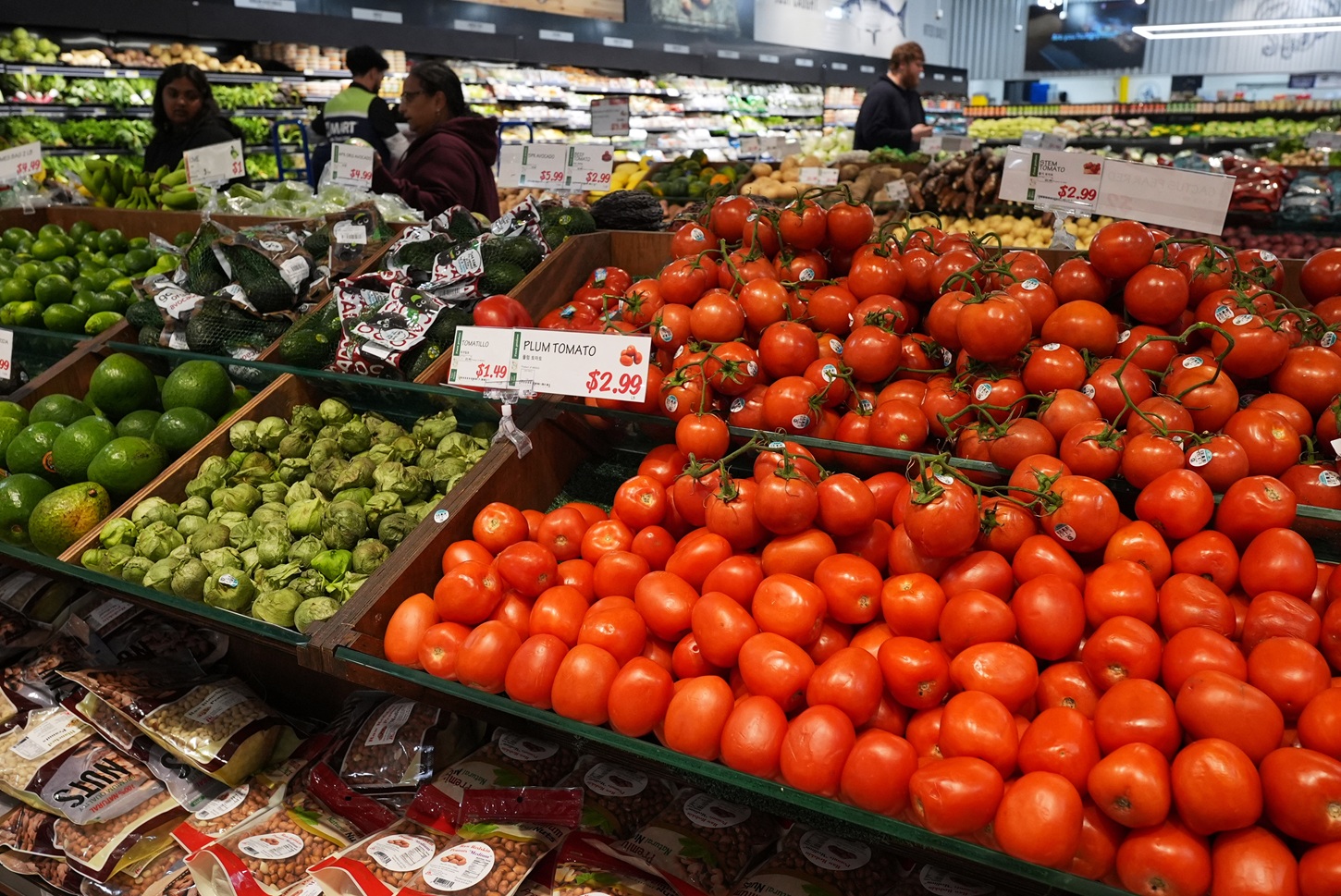
Steep tomato tariffs are squeezing New York’s kitchen tables—exposing how trade battles can impoverish consumers while delivering only modest gains to domestic growers.
Few New Yorkers track the vicissitudes of agricultural tariffs with much interest. Yet even the kitchen-averse may have raised an eyebrow—or a browning slice of bagel with lox—at the recent headline: the price of fresh tomatoes in America hit $2.26 per pound this April, its loftiest perch in eight years. The culprit? Not weather, nor disease, but a 17% import levy imposed by the Trump administration last July on the $3 billion annual cross-border traffic in fresh Mexican tomatoes.
Announced as a boon for America’s embattled tomato farmers, the tariff was coupled with the abrupt end of the 1996 Suspension Agreement, a long-standing compact that muted price disputes between growers on either side of the Rio Grande. The new quota, set at precisely 17.09%, landed with particular force on New York City’s Hispanic communities and the 500,000-odd food workers who rely on tomatoes as a sine qua non of their cuisine. Overnight, the city’s produce aisles grew dearer; chefs from Jackson Heights taquerias to the ‘red sauce’ joints of Little Italy groaned as the cost of this staple climbed nearly a quarter in a single year.
For many New Yorkers, the tomato is no mere garnish. For Central American and Mexican families—itself nearly a third of the city’s population—the tomato is the backbone of salsas, soups, and guisos. Restaurateurs, already battered by inflation and rising wage bills, now face an unpalatable choice: pass along every cent of the surcharge to diners, reduce serving sizes, or let margins wither. The pain is not shared equally: those with the least discretionary income feel the blow most keenly, as the tomato joins a recent procession of dearer essentials.
Economically, the numbers portend little comfort: roughly 70% of America’s fresh tomato supply comes from Mexico. Canada, the next largest provider, trails at a paltry 12%. Domestic production—centered on the sunbelt fields of Florida and California—has long been insufficient, beset by higher input costs and a less forgiving climate. Even with tariffs, the fields of the South cannot produce nearly enough to meet bicoastal appetites; shortages, not surpluses, are likely to prevail.
Supporters, most notably Southern growers lobbying through Congress, heralded the measure as overdue protection for “crushed” family farms. Howard Lutnick, the current Commerce Secretary, trumpeted the move: “That ends today.” Yet the policy’s obvious arithmetic—raising costs on the overwhelming majority of tomato imports—has translated directly into steeper grocery bills. Firms such as NatureSweet, a top importer, stated swiftly that they would not swallow the new tax, but pass it immediately to consumers.
Beyond grocery receipts, the ripple effects have proved swift and blunt. Restaurant associations report a measurable dip in tomato-intensive menu items, as proprietors cut back or retool offerings. Teresa Razo, a restaurateur in California, did not mince words: “I give my business three months before bankruptcy.” While the east coast has not been hit as brutally as avowed ‘tomato states’ like Texas or Arizona, the city’s nearly 25,000 restaurants and bodegas will not be insulated for long. Substitution is feasible—until one recalls that New Yorkers have little appetite for cucumber salsa or carrot marinara.
Squeezed by policy, not by nature
This spat is hardly singular in the current American tariff cavalcade. In the name of redressing trade “unfairness,” Washington has in recent years piled new duties on goods from China, India, and Europe, sometimes blithely, often without heed for downstream consequences. The 2025 tomato levy stands out for two reasons: the sheer scale of the Mexican tomato’s market share, and the regressive nature of the resulting pain. The tariff, intended to prop up a few thousand American growers, has ended up burdening tens of millions of urbanites who, on aggregate, are far less able to avoid its cost.
Other countries have not failed to notice. Canada, more an interested observer than a major supplier, must now weigh whether to expand hothouse tomato production—a solution that seems both capital-intensive and unlikely to fill the gap. Europe, a grandmaster of agricultural protectionism, may view the American tomato ordeal with a pinch of schadenfreude, but also with caution. Similar producer-first policies have yielded perverse effects of their own across the Atlantic. In Mexico, the sudden jolt to agribusiness has triggered an outcry, with exporters warning of layoffs and spoiled harvests.
For New York, the saga reflects a broader reality of metropolitan economics: when supply chains are upended, every rung of the ladder—from farmworker to restaurateur to consumer—feels the shock in ways no PowerPoint slide in Washington will reveal. The hope that domestic supply might one day ramp up to replace Mexican tomatoes rests on optimistic assumptions about weather, land, and labour markets. In the meanwhile, the city’s food culture—one of its signature exports—faces another squeeze, as costlier ingredients force recalibrations across the sector.
It is tempting, amid the froth of populist rhetoric about “protecting American jobs,” to imagine these tariffs as a principled defense of the heartland against merciless foreign competition. But the facts suggest a thinner gruel: a modest unintended wealth transfer from millions of low- and middle-income households to a handful of sunbelt growers, dressed up in nationalist bunting. Pricey tomatoes are not an existential threat, to be sure; most New Yorkers can forgo a salad or make do with a little less arrabbiata. Yet they are a telling microcosm of how blunt economic tools, wielded for political drama, often leave the city worse off.
If the tomato tariff lingers, it will strain not just pocketbooks but tempers—no small thing in a city that cherishes both a bracing sauce and value for money. Data suggest that food inflation rarely abates quickly after tariffs, and, if history is any guide, domestic producers will find scant incentive to cut costs or innovate. The most likely outcome remains the least appetising: city consumers will pay more, eat less well, and, in time, forget why the tomato became so costly in the first place.
Such are the wages of economic nationalism rendered on the city’s dinner plates. New Yorkers, no strangers to costly real estate or cramped subways, may yet adapt—as they always do—but will have reason to remember that tariffs, no less than taxes, seldom come gratis. ■
Based on reporting from El Diario NY; additional analysis and context by Borough Brief.