Trump Calls for Global Naval Patrols in Strait of Ormuz as Oil Tensions Escalate
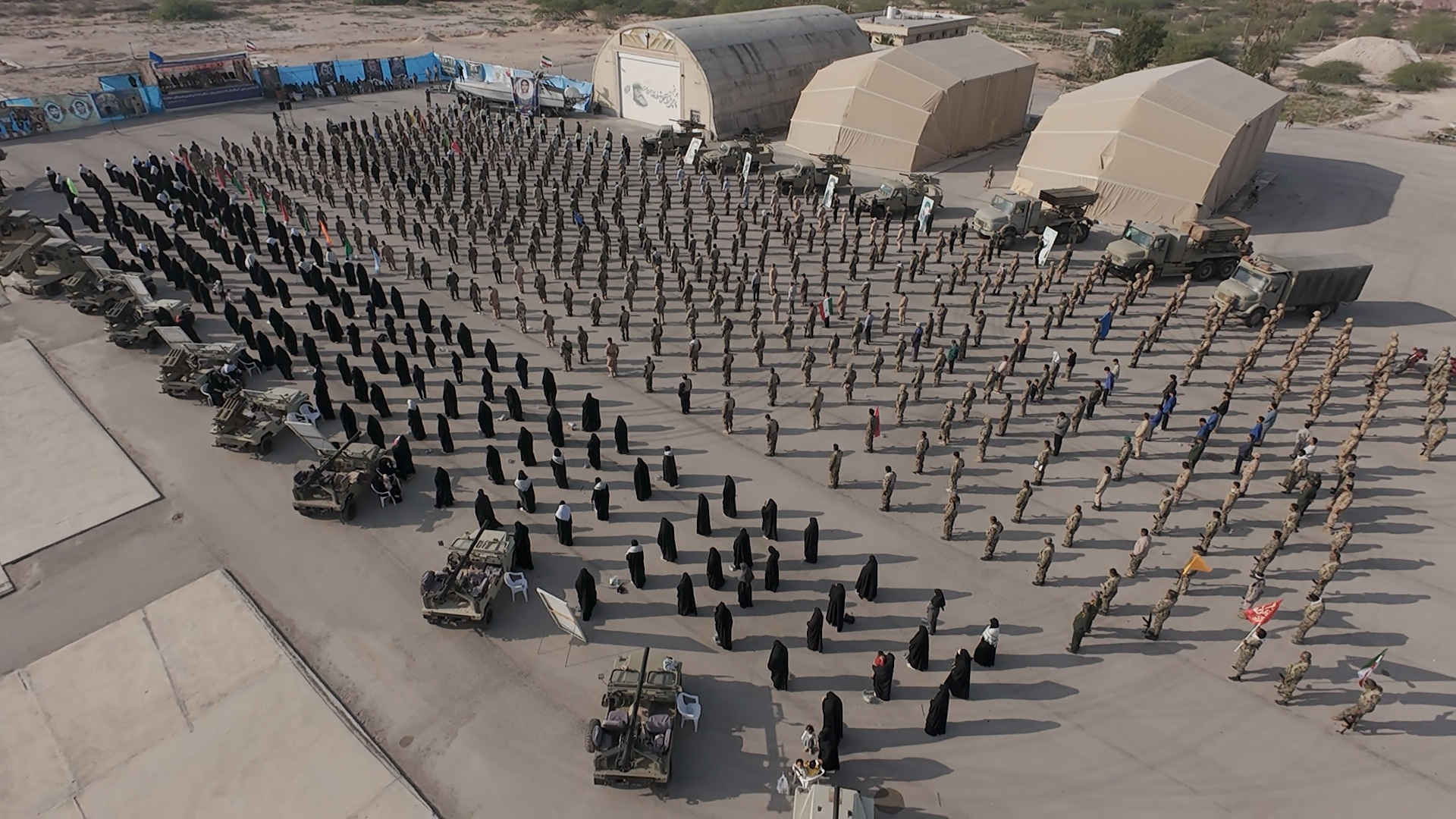
Rising tensions over the Strait of Hormuz threaten New York’s energy markets, portend fiscal and logistical headaches—and offer a foretaste of a world run on fragile supply lines.
Few numbers quicken the pulse of Wall Street’s commodity desks quite like this: one fifth of the world’s oil passes through a waterway just 21 nautical miles wide at its narrowest. On June 21st, President Donald Trump declared, in his unmistakably florid cadence, that Iran’s blockade of the Strait of Hormuz necessitates a global naval response, and that “many countries” would dispatch warships to keep energy supplies flowing. For a city that devours four million barrels of oil equivalent per day, New York has reason to pay attention.
The contours of the dispute are by now familiar. After a strike on the island of Jarg—the node for 90% of Iranian oil exports—the Islamic Republic has moved to close off the strait, through which tankers bound for Asia, Europe, and, yes, America must pass. Mr. Trump’s new prescription is the assembling of an international flotilla, enlisting not just the usual Anglophone suspects but China, France, Japan, South Korea, “and others.” All, he asserts, share an interest in “free and open” passage. The President, never shy about displays of force, promised ceaseless bombardment of Iran’s coastal assets and the sinking of its naval vessels if provoked.
The Treasury Secretary, Scott Bessent, joined the chorus, touting a “coalition escort” for commercial ships—a solution reminiscent of Cold War convoy duty. That the U.S. Navy might act unilaterally “if necessary,” as Mr. Trump warns, underlines the gravity (and unpredictability) of events. Iran, for its part, defiant as ever under the tutelage of Supreme Leader Mojtaba Jameneí, maintains the closure as retaliation for American and Israeli attacks.
For New York, with its matrix of power plants, refineries, and reliance on transoceanic trade, the implications are direct and unsettling. Any sustained shock to crude flows translates, with little delay, into spot-price spikes and energy-market jitteriness. The city’s hydrocarbon lifelines may not run directly from the Gulf, but global prices know no borders—especially in an era where oil staged in Europe can swing to Asia, and arbitrageurs, not bureaucrats, rule the terminals.
Consumers, mostly numb to the geostrategic travails on distant coasts, feel the tremors through pricier petrol and heating oil—no small matter as the city recovers from bouts of inflation. City agencies tasked with everything from transit fuel contracts to emergency services must reckon with volatile procurement costs, budget overages, and perhaps gnawing doubts about supply security. Small businesses, many still embattled post-pandemic, are the canaries in this energy-price coal mine.
Yet, as history shows, such events rarely remain confined to the hypnosis of futures charts. A lengthened conflict could unsettle employment in port facilities (shipping delayed or diverted), curb airport throughput (jet fuel costs), and rattle even the city’s vaunted bond market if municipal outlays swell to cover energy spikes. Politicians may bluster about alternative energies or strategic reserves—Washington has already pledged to tap the latter come next week—but New York’s daily metabolism is hydrocarbon-intensive.
Seen from a steeper vantage, the Hormuz kerfuffle illuminates the city’s—and the world’s—dependence on fragile supply lines policed by willingness, not treaty. The President’s swaggering announcements, paired with the expectation that “others” foot a greater share of the bill, marks a shift, if not a U-turn, from decades of Pax Americana at sea. Whether China or Japan will oblige with grey hulls is an open question. Their reluctance would not surprise.
A more combustible Middle East and a more fissile global order are not mere lines on a think-tanker’s projection. For the energy giants with offices in Midtown, insurance premiums and risk models will need urgent rewriting. For the Port Authority, rerouted shipping and heightened security posture are real-world headaches. And for City Hall, a more expensive kilowatt is the stuff of budgetary nightmares, especially as a sweltering summer looms.
International alliances, local jitters
Elsewhere—in Europe, Asia, and rival American metros—the dilemma rhymes, if not matches, New York’s. Rotterdam and Singapore must tally their own exposure. Tokyo and Seoul, less able to substitute away from Gulf oil, have more skin in the game. But New York, with its cosmopolitan portfolio, is both more diversified and more exposed to the psyche of global markets. No metropolis is a castle when supply lines are at risk.
This episode, while not unprecedented, is a sharp reminder of how global events filter down to the granular: bus depot schedules, grocery bills, and, soon enough, campaign talking points. And while Mr. Trump’s preference for improvisational coalitions may (or may not) yield a stalwart armada on short notice, the lessons are more enduring. Cities, for all their swagger, do not circumnavigate geopolitics.
For now, we reckon the prospect of an outright, protracted closure of Hormuz is low. Iran, boxed in militarily and financially, can harry tankers but cannot stomach oil at $200 a barrel indefinitely. Indeed, previous brinksmanship has tended to resolve with neither a climactic victory nor a wholesale collapse—just enough palaver to send prices aloft and nerves jangling, before settling into uneasy normality.
Still, New Yorkers would do well to contemplate the limits of resilience. The city’s clean-energy future cannot arrive quickly enough for budget hawks or utility planners. Until it does, expect each swerve of a missile-laden speedboat, each tweet from the White House, and each rumour of an oil terminal fire to fetch a tangible price—from the bowels of pipelines in Texas all the way to a Queens taxi dispatcher’s clipboard.
The drama in the Strait of Hormuz may play out thousands of miles away, but, as ever, the echoes reach Lower Manhattan’s trading floors and outer boroughs’ fuel depots with punishing speed. Such is the price of living at the crossroads of global commerce in an unsteady world. ■
Based on reporting from El Diario NY; additional analysis and context by Borough Brief.