Trump Floats Federal Gas Tax Holiday as $4.52-a-Gallon Pumps Test Drivers’ Patience
New Yorkers are bracing for costly commutes as Washington considers suspending federal gasoline taxes to offset spikes driven by turmoil in the Strait of Hormuz.
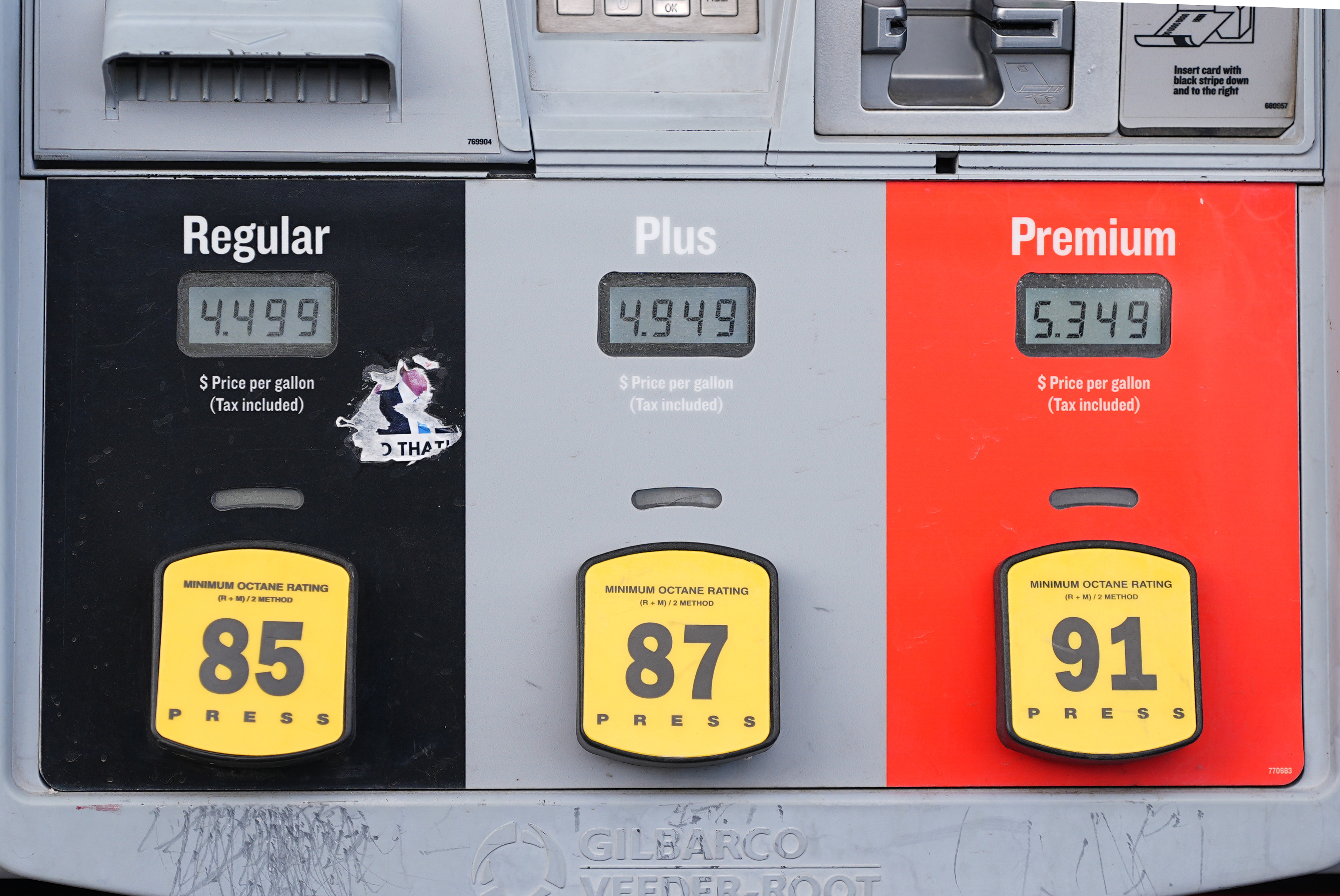
On a humid Monday morning in Queens, the digital sign at a modest gas station blinked a forbidding $4.67 per gallon, the kind of figure that makes even the hardiest Manhattan driver consider the subway. Across New York City, taxi drivers grouse at refuelling time; rideshare fares edge higher; delivery services add surcharges with barely veiled remorse. Yet this is hardly a local anomaly. The national average price of gasoline breached $4.52 this week, up more than 50% since the outbreak of a shooting war with Iran and rising tensions in the Gulf, the world’s maritime oil nerve.
The pain at the pump has spurred an unusual proposal from the administration of President Donald Trump: a temporary suspension of the federal fuel tax. Chris Wright, energy secretary, told NBC that “every possible measure” would be considered to relieve drivers. At stake is 18.3 cents per gallon of gasoline and 24.3 cents for diesel—levies normally earmarked for highway upgrades and, in a nod to belated environmental vigilance, a mere tenth of a cent stashed for patching leaky underground tanks.
The politics are brutally simple. Energy inflation is an economic irritant that even incumbents cannot spin. Surveys suggest nearly half of Americans are already driving less; some 34% have scrapped trips or holidays, while 42% have trimmed other household costs. In New York, where public transport exists but remains patchy in the outer boroughs, the prospect of $5 petrol is no abstract headache. It can mean choosing between commuting, sending the kids to camp, or braving an overstuffed F train.
While federal taxes account for only a fraction of the price at the pump, any mooted savings are not trivial. For a Brooklyn courier clocking 1,000 miles a month, the proposed suspension might free up $15–20—a sum that is not so paltry when margins are already gossamer-thin. Taxi fleets, still recovering from the wounds of pandemic shutdowns, face further strain as operational costs mount. For the city’s northern and eastern fringes, where public transport is a distant promise, drivers will keenly watch this debate.
The ripple effects extend beyond hiring a car. Fuel prices feed into everything: fresh produce at bodegas, the cost of bricks for construction in the South Bronx, the price of a dinner along St. Mark’s Place. With inflation dogging food and other essentials, higher gasoline costs cascade throughout the urban economy. The gig economy, still in its awkward adolescence, lurches as Grubhub and Instacart couriers pass on their pain to customers and app operators alike.
Suspending the federal levy, however, is not without cost—or irony. The pitiful proceeds fund the Highway Trust Fund, which in turn pays for not only the spectacular tangles of interstate highways but also mundane street repairs in Brooklyn and the Bronx. Temporarily shuttering the tax could leave as much as $20bn in annualised funds stranded, portending a fresh pothole epidemic or deferred bridge repairs. Infrastructure lobbyists in Albany—never known for timidity—are already sharpening their talking points.
Others fret about the policy’s effectiveness. Studies of tax holidays in Maryland and Georgia suggest that the full savings often do not flow to consumers; oil companies, retailers, and middlemen can quietly pocket a share while drivers see only meagre relief at the pump. The floating price of oil, which remains hostage to geopolitics and OPEC’s mysterious whims, far outweighs the fiscal modesty of the American fuel tax. As the Strait of Hormuz convulses, every flutter of risk translates to cents added, then multiplied, before the taxpayer even enters the station forecourt.
Globally, New Yorkers’ misfortunes are shared, if not echoed in full. Europeans have long paid double—or more—for petrol, thanks to taxes that would be unthinkable in the Land of the Free; Parisians and Berliners grumble but drive smaller cars. Asia is little better. London’s own answer to the fuel crunch, a mix of punitive tolls and carbon taxes, has not kept prices from climbing nor politicians from kvetching. But American consumers are acutely attuned to gas prices, which serve as proxy for household prosperity in a way foreign observers find faintly bizarre.
Balancing fiscal prudence and political expediency
Yet the calculus in New York is peculiar. A city weaned on the myth of mass transit, its economy is paradoxically dependent on lorries, rideshares, and an armada of delivery vans. A tax holiday might offer a brief reprieve—but only briefly. With federal coffers already groaning and infrastructure renovations lagging (the Gateway Tunnel, anyone?), robbing Peter to pay Paul remains what it always has been: a stopgap, not a strategy.
The larger failing—a chronic dependence on oil from truculent exporters, a sagging mass-transit budget, and the city’s own foot-dragging on clean transport—remains unaddressed. New York, like most American cities, refuses to wean itself from the internal combustion engine. Voters, drivers and politicians, meanwhile, chronically resist raising fuel taxes to levels seen elsewhere, even when faced with collapsing rails and festering subway stations.
Nonetheless, we see merits in pragmatic relief, though not for long. Amid persistent inflation, offering embattled New Yorkers a cushion is more politically sane than letting pain fester until November. Yet unless coupled with hard-nosed investment in subways, cycle lanes, and cleaner vehicles, a tax holiday is merely aspirin for a chronic condition. A city as global as New York should look beyond the next electoral cycle—and beyond fickle gasoline tax fiddling—if it wishes its economy to remain buoyant and its streets reliably asphalted.
Short-term palliatives, however well-intentioned, will not fix punctured infrastructure or untangle the city’s mobility woes. If anything, the present crisis should catalyse, not postpone, the serious reckoning New York needs on transit, energy, and its persistent addiction to the motorcar. Wishful thinking at the pump has always been cheaper than actual reform.■
Based on reporting from El Diario NY; additional analysis and context by Borough Brief.