Trump Orders TSA Workers Paid Amid DHS Shutdown Standoff, Brooklyn Airports Eye Relief
An emergency White House order to pay TSA workers aims to shore up New York’s airports—yet the political dysfunction gripping Washington bodes poorly for the city’s stability and the morale of its essential workforce.
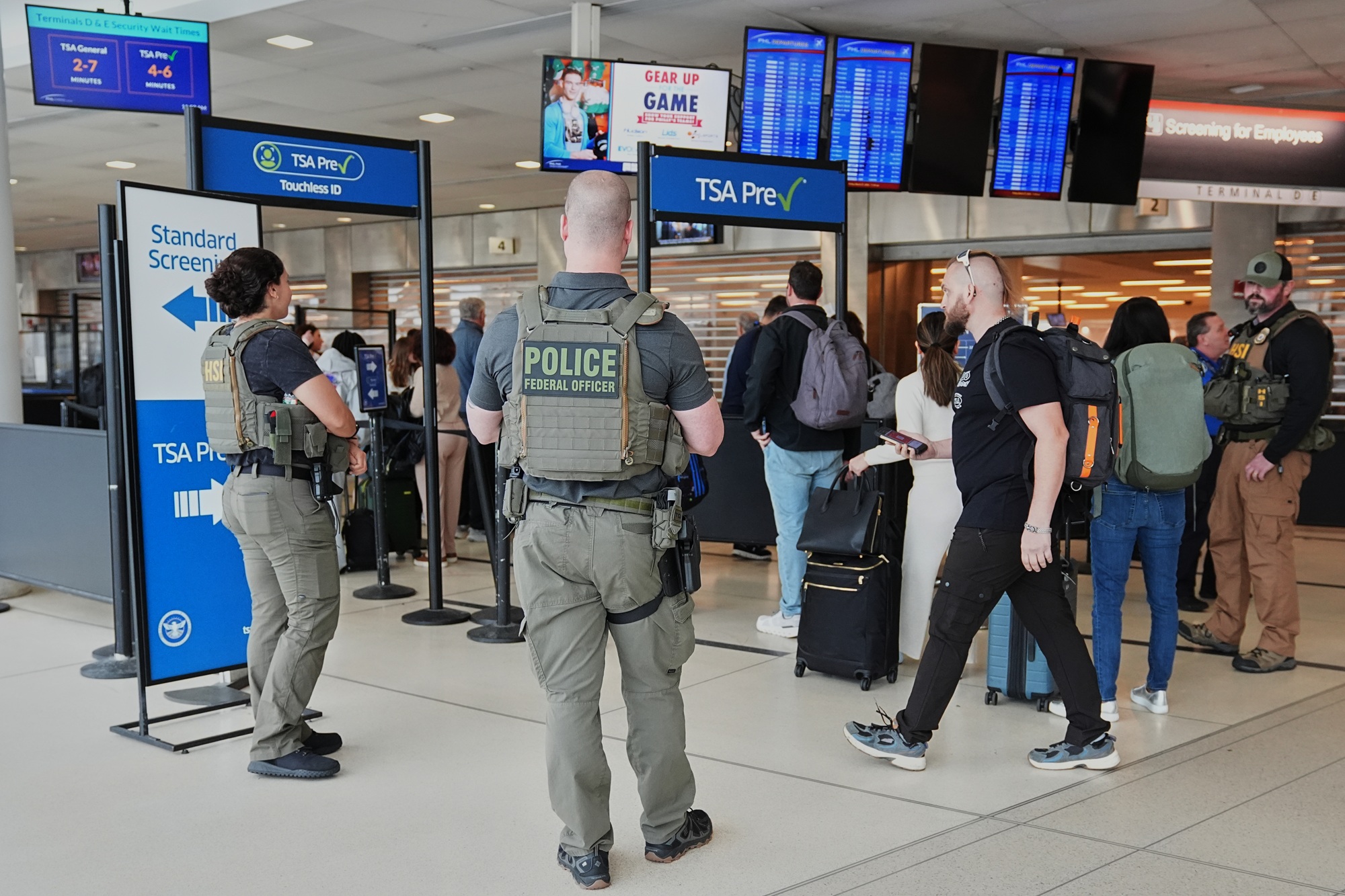
The daunting sight of rankled travelers snaking through choked security queues has become grimly familiar at John F. Kennedy, LaGuardia, and Newark airports in recent weeks. After more than a month of a technical shutdown at the Department of Homeland Security (DHS), over 7,000 Transportation Security Administration (TSA) officers across New York City faced missed paychecks, prompting some to quit and others to scramble for second jobs. For a city reliant on constant motion—and nearly 70 million annual flyers—these shocks to the system ripple swiftly.
On March 28th, President Donald Trump issued an executive order instructing DHS to immediately pay TSA workers, bypassing the congressional morass that stymied DHS funding. The move came after weeks of political deadlock, culminating in the Republican-controlled House, led by Speaker Mike Johnson of Louisiana, blocking a unanimously approved Senate budget bill. The bill in question would have resuscitated most DHS agencies, except for Immigration and Customs Enforcement (ICE) and the Border Patrol.
With the executive order, Homeland Security Secretary Markwayne Mullin turned the bureaucratic gears, promising pay disbursement to TSA workers by Monday, March 30th. The agency boasted that paychecks would hit accounts, bringing some immediate relief to employees like Brooklyn security screener Rodolfo Martínez, who reportedly skipped meals and fell behind on loan payments. New Yorkers, too, exhaled—albeit warily—at the prospect of shorter lines and fewer canceled flights.
For New York, the capital of American air travel and a linchpin of international commerce, the TSA stoppage portended broader disorder. The city’s three main airports jointly employ over 60,000 people and generate nearly $50 billion annually in economic activity. Each day of slowed or disrupted operations erodes confidence among airlines, tourists, and global businesses. The situation also aggravates an already tetchy relationship between New Yorkers and Washington, where congressional squabbles risk the city’s vital arteries.
The first-order impact was punishingly clear on individual workers. Reports from the DHS noted that TSA agents “are losing their homes and cars, struggling to feed their families, and enduring widespread financial catastrophe” during what has become the third shutdown cycle in just six months. Many were forced into payday loans or second jobs. Late-night queues at area food banks for uniformed TSA staff testified to real hardship behind the abstract debates over immigration policy and border spending.
Yet the second-order effects may take longer to abate. Extended shutdowns batter morale and talent retention at the city’s airports, key infrastructure that undergirds New York’s recovery from the pandemic. With fewer eyes at security checkpoints, the risk of breaches—physical or logistical—increases. Meanwhile, the Port Authority, airlines, and service providers must contend with contingency planning and extra costs, all while labor unions warn of strikes if pay lapses return.
The political genesis of this latest bout of paralysis lies in Washington’s ideological trenches. House Republicans, led by Johnson, argue that any budget for DHS should spare no expense for ICE and the Border Patrol, reflecting the party’s hardening stance on immigration. Democrats, marshalled by New York’s own Senator Chuck Schumer, pressed for deeper reform of ICE’s detention tactics, unwilling to rubber-stamp funds without oversight. The resulting impasse saw the Senate reach a deal—with John Thune as the GOP’s chief negotiator—only for House leadership to spike the proposal, blaming the opposition for “imposing” conditions.
Federal gridlock, local cost
Over 42 days, technical closure at DHS sent a shiver through New York’s civic and commercial life, underscoring how easily congressional deadlock can inflict collateral damage at the local level. The optics—politicians dithering while vital services grind to a halt—do little to inspire faith in national governance. Other American airports, notably Atlanta and Chicago, reported parallel woes, but none rival New York’s sheer scale or exposure.
Globally, America’s airports—once models of efficiency—risk looking puny compared to best-in-class rivals in Singapore, Dubai, or even Toronto, where parliamentary systems discourage such drawn-out standoffs. In France or Germany, strikes and shutdowns evoke predictable cycles of negotiation, but rarely for want of parliament passing budgets. For all the chatter about American exceptionalism, dependence on executive fiat to pay workers marks a tepid benchmark.
The episode also reopens nagging questions about the structure and resourcing of federal agencies. Patching over gaps with executive orders, whatever their immediate necessity, places undue pressure on the administrative state and erodes congressional credibility. Repeated recourse to such measures signals a system running on fumes rather than consensus—an unsustainable state for a nation priding itself on rule of law, not rule by decree.
From a classical-liberal vantage, the spectacle is sobering but not without a glimmer of hope. The prompt restoration of TSA pay exposes the limits of partisanship when it collides with everyday necessity in a global city. Americans, and New Yorkers in particular, voice a palpable hunger for steadier stewardship. Neither executive largesse nor perennial brinkmanship bode well for the city’s long-term competitiveness—or for the dignity of its working class.
If anything, the ordeal reinforces the case for durable, rules-based budgeting over lurches and stopgaps. New York’s airports, poised at the intersection of global trade, tourism, and migration, deserve a steadier hand than recent weeks allowed. Eventually, even the most obdurate congressman may find that the voters who pass through TSA checkpoints daily care more for reliability than for parliamentary theatre.
For now, President Trump’s decree grants harried TSA screeners breathing room and New York a few weeks’ calm. Whether the city—and the country—learns to avert the next avoidable standoff remains an open question. ■
Based on reporting from El Diario NY; additional analysis and context by Borough Brief.