Trump’s Second Term Sets New Pace on Immigration Rules, Deportations Outrun Due Process
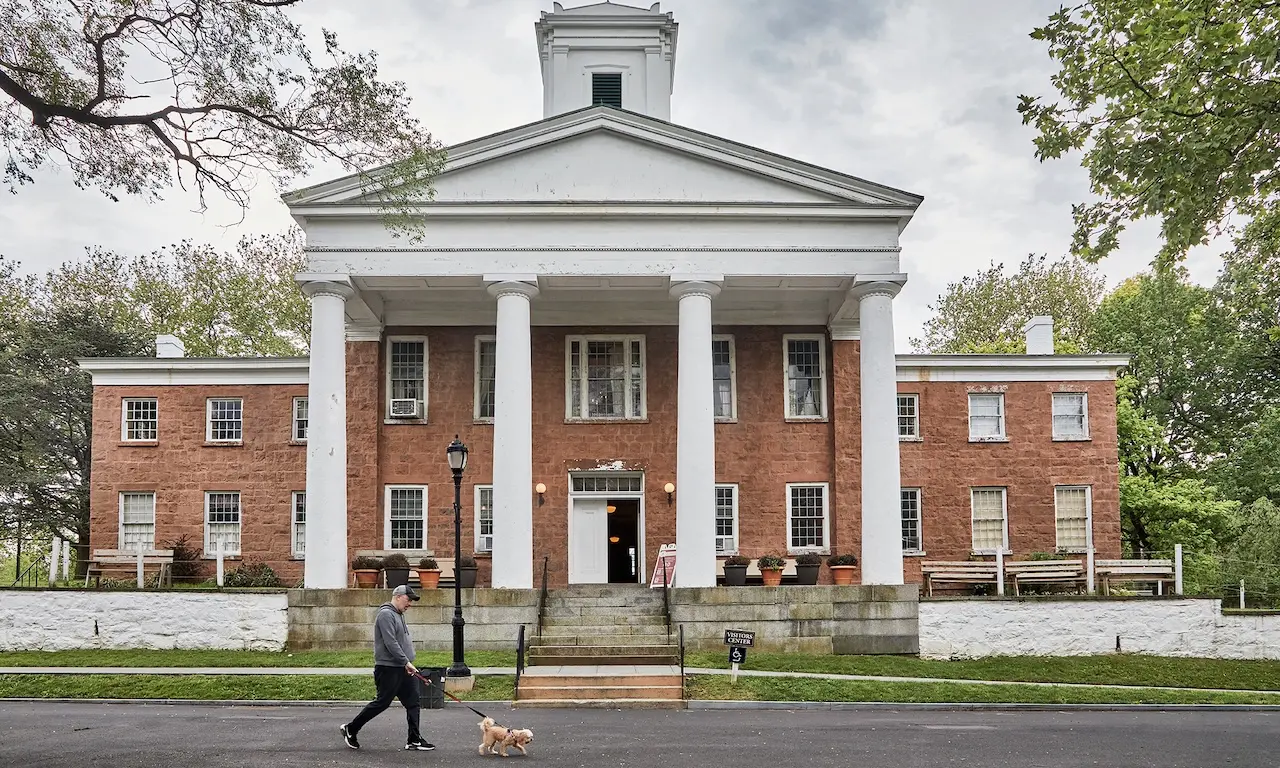
The acceleration of immigration crackdowns under President Trump’s second term is reshaping New York City’s demographics, economy and sense of itself.
When federal agents appeared outside a bakery in Jackson Heights last month, few New Yorkers feigned surprise. The raid, one of several in a week that spanned neighborhoods from Inwood to Midwood, reflects a stark new era of immigration enforcement: more sweeping, more visible, and—critics assert—more indifferent to nuance. In the twelve months since Donald Trump reclaimed the White House, his administration has enacted upwards of 500 immigration measures, outstripping by nearly 30 the number it managed over his entire first term, according to the Migration Policy Institute.
The tempo and scope of these changes are remarkable. Rather than seeking buy-in from a gridlocked Congress, the administration has relied on executive orders and regulatory tweaks to reset the immigration landscape. The effect is acutely felt in New York City, where one in three residents is foreign-born and the ethos has long been one of open-armed ambivalence toward newcomers. That tension is now squarely in the open.
At the policy’s centre is a focus on deportation and a nationalist reframing of citizenship. From revoking birthright citizenship—long constitutionally settled law—to declaring a national emergency at the southern border, the White House has signalled that America is, first and foremost, a fortress. The tumble in Border Patrol apprehensions to fifty-year lows is trumpeted as a marker of success, but it is inside the country, especially in cities like New York, where the consequences now manifest.
The numbers have a steely clarity. U.S. Immigration and Customs Enforcement (ICE) officers have detained four times as many people this year compared to 2024. The daily population in federal detention centres has doubled. But scratch beneath the official rhetoric of targeting “the worst of the worst,” and the picture blurs. Data from the Deportation Data Project shows a mere 7% of arrestees had a violent felony conviction. Most detained in 2025 were accused of nothing more nefarious than overstaying a visa or missing a hearing.
For New York, the effects are omnipresent yet hard to quantify. Schoolyards in Sunset Park have emptied of parents at dismissal time; social-service offices report a sharp drop in foot traffic. The city’s sanctuary policies are repeatedly tested, as federal task forces pursue “interior enforcement,” launching robust sweeps in places previously considered safe. The psychological toll, while less easily measured, echoes in shuttered storefronts and the wary hush in public parks.
Economically, the impact is hardly trivial. New York’s service and construction sectors lean heavily on undocumented labour—by some estimates, as much as 10% of the city’s workforce. The spectre of raids has left restaurants understaffed, delayed renovation projects, and put a chill on consumer confidence in immigrant-heavy neighbourhoods. For small business owners, fear of sudden loss of employees translates to a puny appetite for expansion or taking on new leases.
Politically, the city’s leaders are squeezed. Mayor Eric Adams, under pressure from business groups and immigrant advocates alike, has issued tepid condemnations of federal overreach while quietly expanding legal aid for the undocumented. The City Council, meanwhile, debates whether further noncooperation with federal agents is prudent or merely symbolic. State officials, keen to avoid open war with Washington, have limited policy levers; most immigrant protections fall in a legal grey zone, easily overridden by federal prerogative.
National trends both mirror and amplify New York’s predicaments. Cities from Los Angeles to Chicago report similar surges in ICE activity and a climate of low-grade panic among immigrant populations. The administration’s preference for rule by decree rather than legislation allowed for rapid, muscular change—though at the cost of public debate and, some reckon, legal clarity. Internationally, the approach places America at odds with post-pandemic trends in other rich-world democracies, many of which have sought (with varying enthusiasm) to liberalise or at least humanise their immigration regimes.
Lessons from the nation’s gateway city
Globally, few metropolises are as reliant on immigration as New York. The city’s lore—a crucible where aspiration trumps origin—now collides with federal imperatives. These moves could portend a demographic squeeze not seen since Congress slammed the “golden door” in the early twentieth century. If arrivals dwindle and existing populations opt for the shadows or for other, less perilous towns, New York’s mix grows less volatile, less enterprising, and—dare we say—less itself.
To discern what might break the cycle, politics bears watching. Mr Trump’s reliance on rapid-fire executive action bypasses legislative compromise but courts legal challenge and impermanence. If the White House changes hands in 2028 (hardly an unthinkable prospect), many of these policies could be unraveled as swiftly as they appeared. Yet the bureaucracies emboldened by their moment in the sun may prove less easily tamed.
For now, the buoyancy of New York’s economy and civility of its social fabric hang in a delicate limbo. Businesses reckon with more red tape, schools gird for further drops in attendance, and the city’s longstanding tradition of immigrant optimism faces its sternest test in generations. The upshot is a metropolis wrestling with its own brand—welcoming in theory, wary in practice.
In the shadow of such sweeping federal initiatives, New Yorkers pride themselves on adaptation. Yet to weather the whiplash of national immigration reversals, city leaders and residents alike may need more than resilience; they will need a cunning blend of steadfast principle and nimble pragmatism. The fate of a city built on newcomers now depends on how well it defends both its character and its inhabitants. ■
Based on reporting from City Limits; additional analysis and context by Borough Brief.