Trump Threatens Nationwide Voter ID for November, States and Facts Likely to Object
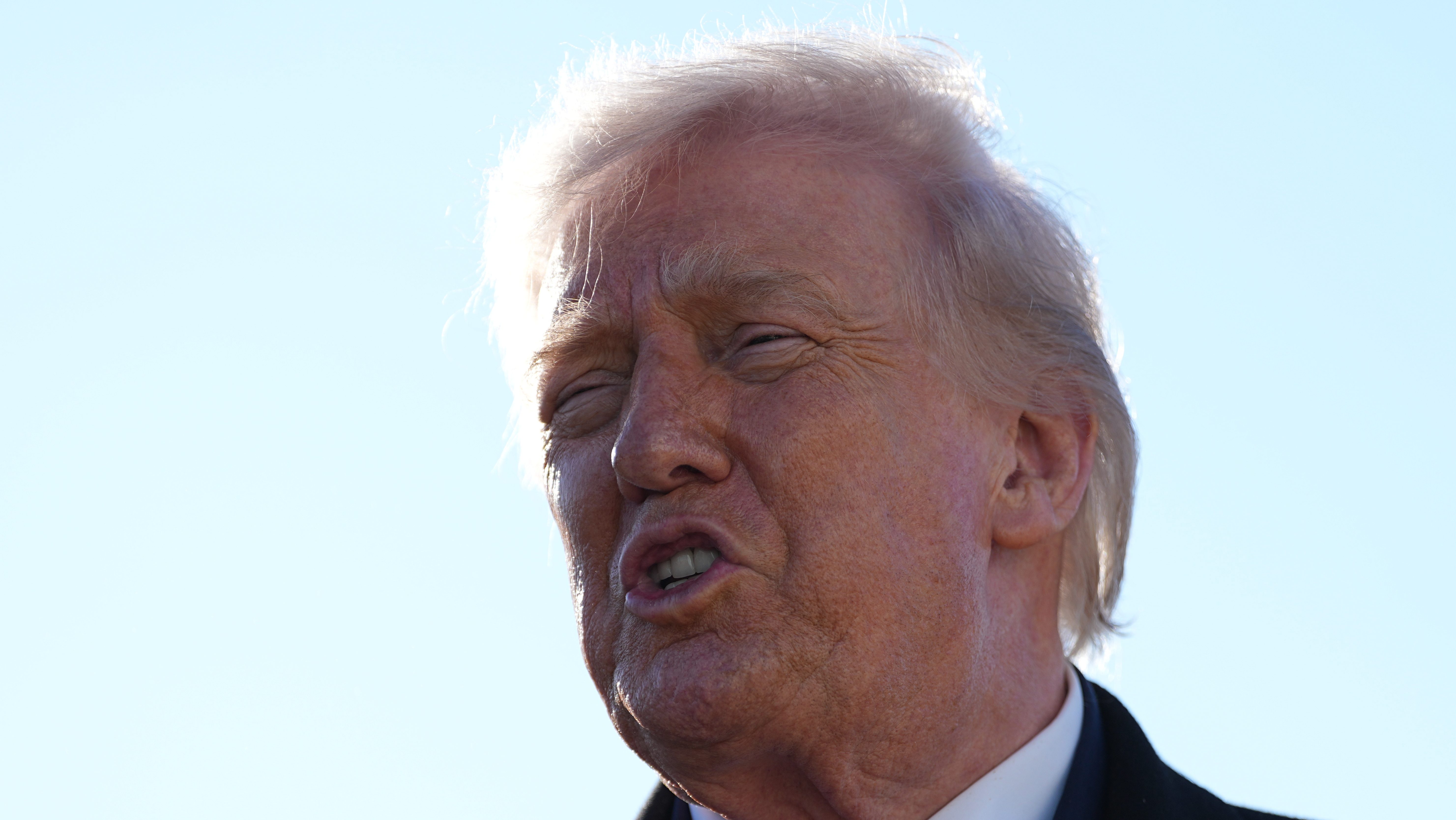
Donald Trump’s threat to impose nationwide voter ID for America’s midterms hints at deepening institutional strain and carries weighty implications for New York’s diverse electorate.
In a country often allergic to sweeping federal mandates, Donald Trump’s pronouncement on June 14th carried a notably imperial ring. The former president, never shy of constitutional brinkmanship, pledged to impose a national photo identification requirement for voters in the upcoming midterm elections “regardless of what Congress does”—a gambit that startled even by recent standards. For New York City and its melting-pot rolls of over 5 million registered voters, Mr Trump’s vow is no mere rhetorical flourish.
The news followed the passage in the House of Representatives of the Save America Act, an omnibus bill containing provisions for a federal voter photo ID mandate and strict limits on mail-in balloting. It is expected to stall in the Senate, where the filibuster remains a sturdy shield. Unfazed, Mr Trump promised to sidestep legislative inertia by executive order, touting unvetted legal theories about overriding state control. “If Congress won’t act,” he thundered online, “I will.”
This is not the first time the former president has sought to influence how Americans cast their ballots. Even as numerous recounts and lawsuits failed to unearth any meaningful evidence of widespread fraud in 2020—a conclusion reaffirmed by independent audits and Republican-led investigations—Trump and his supporters persist in alleging a rigged system, especially in Democratic strongholds like New York. The city, with its surfeit of naturalized citizens, students, and elderly voters, would feel the brunt of any hurried ID regime more keenly than most.
At street level, the practicalities are formidable. According to the Brennan Center for Justice, an estimated 11% of voting-age Americans—over 21 million people nationwide—lack a government-issued photo ID. In New York, where roughly 800,000 legal residents are not citizens and where the city’s IDNYC card has filled gaps for the undocumented and marginalized, new requirements promise confusion and likely disenfranchisement. The burden would fall hardest on the city’s poorer boroughs and among elderly, non-white, and transient voters, for whom even a nominal documentation charge can be non-trivial.
For the Board of Elections and civil society groups, the prospect of a mid-cycle mandate is headache-inducing. Sourcing compliant identification, training poll workers, and updating registration systems would strain already-skeletal municipal budgets. The city’s last serious attempt to adjust to federal voting rules—the rollout of new machines in 2010—proved both costly and fractious; a federal fiat with three months’ notice would almost guarantee chaos at the polls.
Beyond logistics lies the deeper worry of eroded confidence. New York’s political climate is prickly enough without questions over electoral legitimacy. A sudden tightening of ID requirements, particularly by decree, is likely to provoke litigation and protest—fuel to the city’s already febrile partisanship. Minority groups, historically shut out of full franchise, may view such measures as a new line of bureaucratic defence against their votes.
For business and government, the economic doubts are not puny. New York’s elections are expensive affairs: in 2022, city and state spent $270 million to administer safe voting during the pandemic. An unfunded voter ID rollout could prompt fresh calls for more federal dollars, especially if the courts bar enforcement or require waivers for vulnerable populations. The midterm ballot—already set to feature congressional and state legislative races—could become gridlocked by confusion, legal wrangling, and abysmally slow queues.
States’ rights and federal power collide
Mr Trump’s plan portends thorny consequences beyond urban precincts. Nationally, fights over voter ID have split red and blue states, with roughly half mandating some form of photo identification. The Supreme Court, meanwhile, has generally upheld such rules when legislated by states, as in Crawford v. Marion County (2008), but has not sanctioned federal overreach. Legal authorities agree that Article I, Section 4 of the Constitution gives states considerable discretion over the “times, places, and manner” of holding elections, absent Congressional lawmaking—not unilateral executive fiat.
Internationally, America’s system remains strikingly ad hoc. Many democracies impose identification requirements; few, however, lack a national ID or the sort of administrative infrastructure for rapid implementation. In Germany, France, or Canada, universal documentation comes with robust logistical support and generous voter outreach. By contrast, sudden American impositions, absent funding or planning, chiefly stymie the poor and the young.
One irony is that New Yorker attitudes appear less allergic to flexible voting options than Mr Trump supposes. The Guardian, citing a 2025 poll, finds 58% of Americans support “no-excuse” mail-in voting—hardly a clarion call for restriction. In the city itself, the popularity of early and absentee voting has grown since the pandemic, not waned.
We reckon the president’s gambit is as much political provocation as policy. His claims that Democrats “want to cheat” and that “our Founders” opposed flexible balloting not only wilfully misread history, but also weaponise a backstage process most New Yorkers wish would remain dull but reliable. Such stoking of distrust—especially if enforced by hurried executive action—risks damaging what little remains of bipartisan trust in American democracy.
Should Mr Trump proceed, Gotham’s venerable tradition of machine politics, backroom reforms, and institutional adaptation may be tested afresh. But in a city that has weathered Tammany Hall, draft riots, and the chaos of 2020, one suspects its democracy is more robust than advertised—even if its voters will doubtless be inconvenienced in spades. ■
Based on reporting from El Diario NY; additional analysis and context by Borough Brief.